First posted on Instagram · @profilopolitics
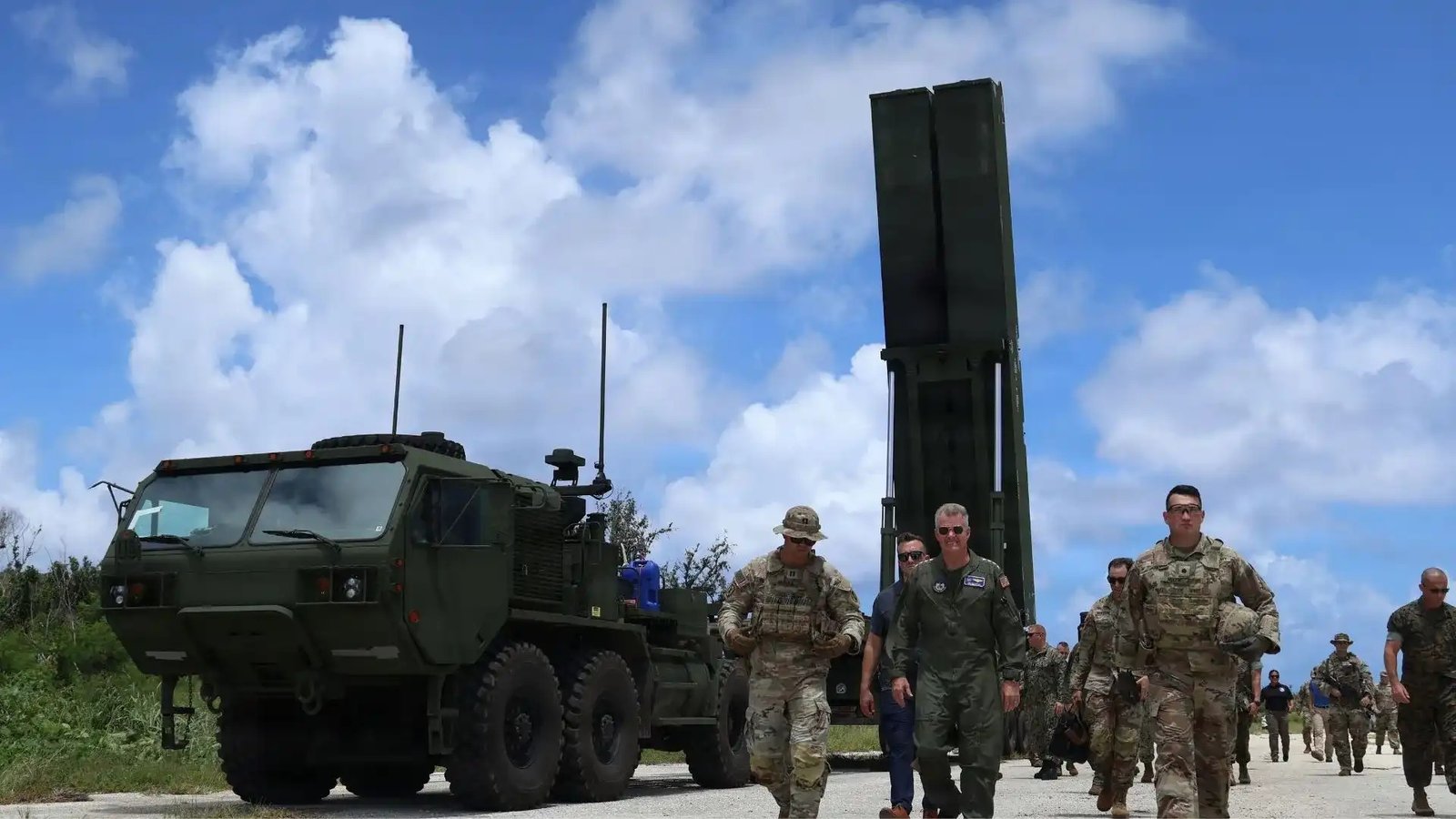
The U.S. Army's first Dark Eagle hypersonic missile battery is now fully fielded and ready for combat, the service's top acquisition official for long-range fires has confirmed — giving America its first ground-based hypersonic strike weapon, nearly three years after it was first meant to enter service.
Why it matters: hypersonic weapons fly too fast and too low for today's missile defences to stop reliably, and China and Russia have been fielding theirs while America tested. A working Dark Eagle battery means the United States can now hold targets 1,725 miles away at risk within minutes — the kind of capability that decides whether an adversary's ships, airfields and command posts are safe in a war, and whether American deterrence is believed before one starts.
"It is fully fielded. It is ready to go," Lt. Gen. Frank Lozano, the Army's Program Acquisition Executive for Fires, said of the battery. "Those soldiers and those units have everything that they need to employ, fight and win." The Army has not said when the battery reached full fielding or where it is, citing operational security.
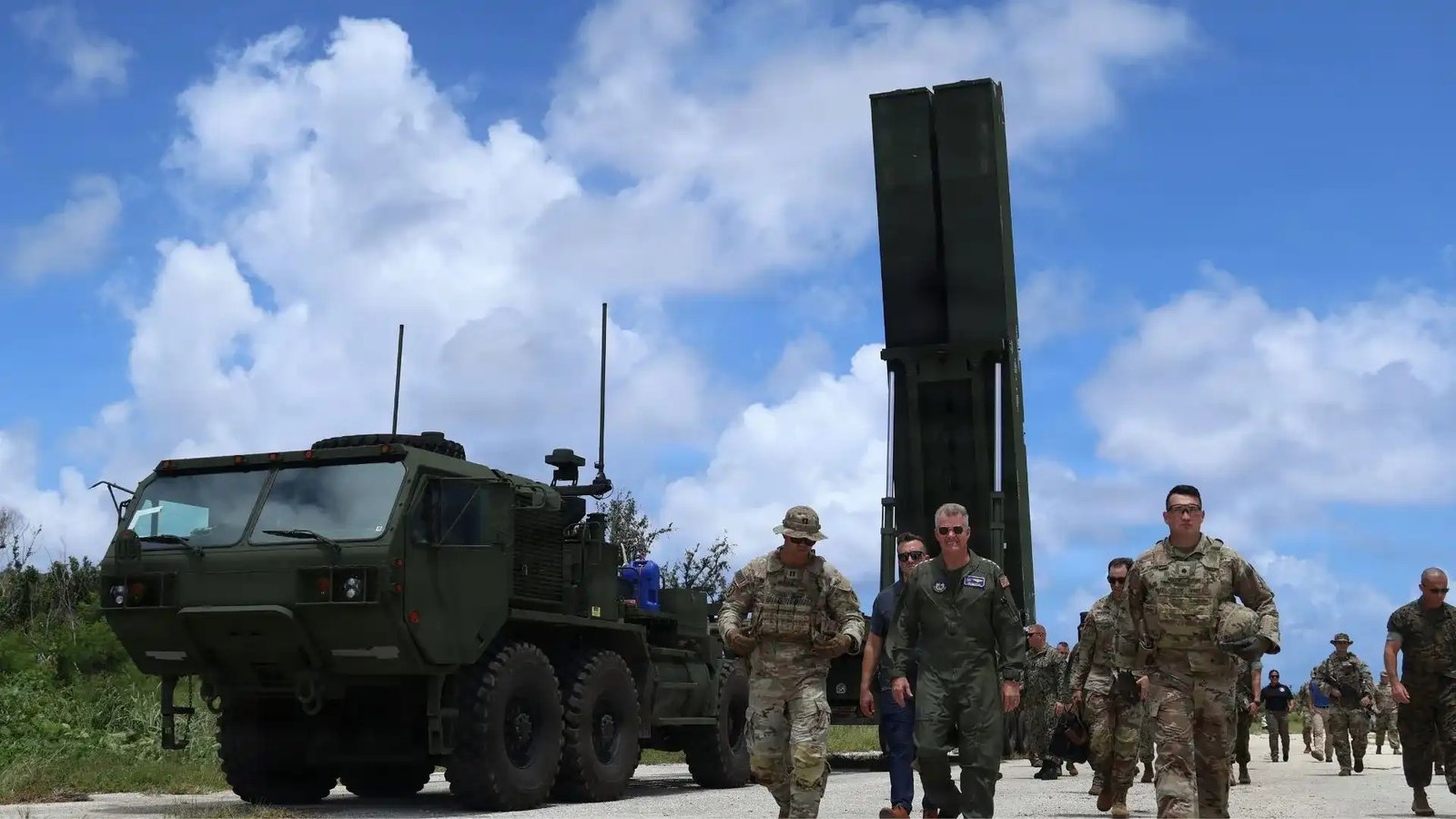
The weapon, officially the Long-Range Hypersonic Weapon, fires a glide body that travels at more than Mach 5 — over 3,800 mph — to targets up to about 1,725 miles away. Each battery fields four trailer-mounted launchers carrying eight missiles in total. The unit soldiers have trained on the system since 2021 at Joint Base Lewis-McChord in Washington.
The road here was not smooth. The first battery was meant to be fielded in 2023; testing failures, including a mechanical fault with the launcher, pushed it back, and a revised 2025 deadline was missed as well. A Government Accountability Office report in July found missile production running at roughly half the rate the Pentagon requires. Supporters answer that a fielded battery, even a small one, changes an adversary's calculations today, while critics warn that rushing hypersonics into service feeds an arms race.
What happens next is scale: production of the second and third batteries is under way — the third is more than halfway built — and the Army expects both ready faster than the first. Eight missiles are a beginning, not a deterrent force; the race now is to build enough of them that no rival doubts they would be used.