Monday, November 23, 2026 (three days ago)
Attorney General Todd Blanche says the Justice Department will pursue the death penalty in the most heinous federal cases, confirming the approach President Donald Trump set out in a memorandum signed at the department's headquarters on Monday — the same day the president called on Congress to write his death-penalty orders into law.
Blanche introduced the president at the event and said the department has sought the death penalty 49 times since January 20, 2025. The memorandum, titled "Expeditious Enforcement of Capital Sentences and the Pursuit of Justice for Victims of Heinous Crimes," directs Blanche to pursue federal jurisdiction and seek capital punishment for first-degree murder of a minor, murder during rape, sexual abuse, sexual exploitation of a child or sex trafficking, and murder during kidnapping or human trafficking — and to move faster on federal death sentences once juries have spoken: "swift and certain," as Trump put it.
Why it matters: the directive reaches only federal cases, so it does not touch the 548 California death sentences Governor Gavin Newsom plans to commute — the contrast the White House drew at the event. Trump called Newsom's plan "one of the most shocking acts of injustice our country has ever seen."
Trump also used the event to press Congress for a bill. At his request, Representative Brandon Gill of Texas introduced the Just Punishment for Murder Act (H.R. 11132) on November 20. Trump said the bill "will codify many aspects of today's directive, along with my executive order on capital punishment for killers of law enforcement," and expand the policy so that illegal alien murderers are likewise sentenced to death. "I am calling on Congress to send me that bill without delay," he said.
The bill's text had not been published on Congress.gov as of November 24, and it sits in the House Judiciary Committee with no cosponsors listed. It builds on the executive order Trump signed on his first day back in office, which already directed the attorney general to seek the death penalty for the murder of a law enforcement officer and for capital crimes by a person in the country illegally — putting it in statute would place the policy beyond a future president's power to revoke by executive order alone.
— What follows is the story as first written · the update is above —
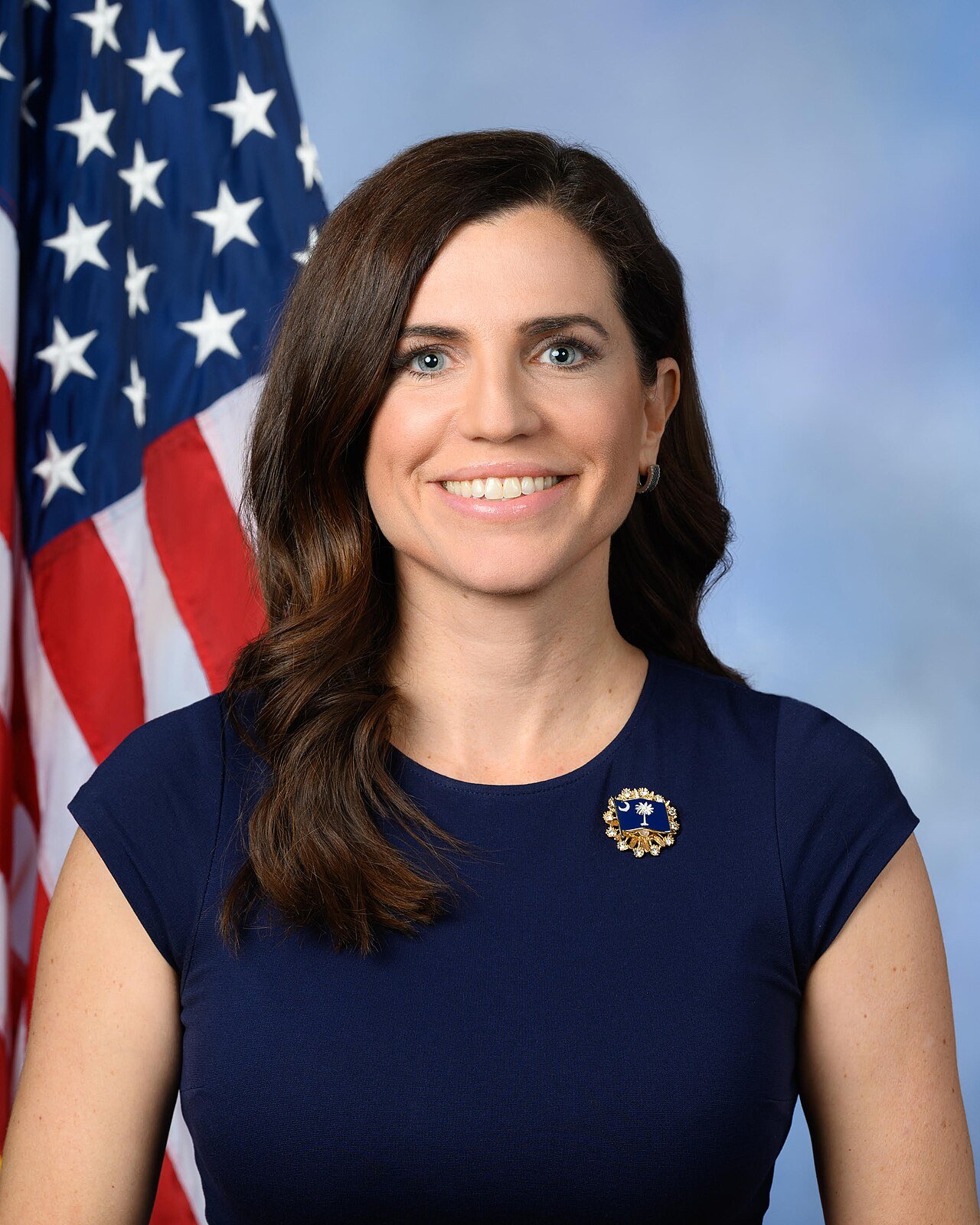
California Governor Gavin Newsom commuted the death sentences of all 548 people on his state’s death row — and then called for reform of the pardon power. The backlash landed on Wednesday. “Gavin, is the arsonist calling for a ban on fire,” Rep. Nancy Mace posted on X. “Man who commuted 548 death row sentences is now deeply concerned about abuse of the pardon power.”
Why it matters: California’s voters rejected abolishing the death penalty in 2012 and again in 2016, and juries imposed these sentences one case at a time. Newsom’s commutations — to life without parole — override both, for every condemned person at once.
Newsom defends the move in his own video: the commutations are what mercy looks like when, in his words, the system is “error prone, racially biased, and unjust.” Prosecutors and victims’ families who challenged him in court say the governor simply decided that he knows better than the voters, the juries, and the judges who imposed the sentences.
Trump answered from the other direction: on Monday he vowed to direct the Justice Department to seek the death penalty for the most heinous federal crimes and, telling a rally audience, that he would bring back executions that move “very fast, very strongly.” At the same event he called Newsom’s commutations “one of the most shocking acts of injustice our country has ever seen” — a line he repeated the next day at a press conference.
Where it stands: a coalition of California prosecutors and victims’ relatives has asked the state’s courts to block the commutations, arguing that Newsom used the commutation power to carry out the abolition voters twice rejected. Newsom says the courts will vindicate him.
Member News: Join ProfiloPolitics to support independent journalism and civic education.