Britain has written to around 100,000 former soldiers, sailors and airmen for the first time since the Cold War — while French jets have practised landing on a Finnish highway in case their bases are knocked out. Neither step is a call-up or a mobilisation: both are NATO allies preparing for a war they say they want to prevent.
Why it matters: Washington has demanded that Europe carry more of its own defence. Readiness like this makes deterrence real — and deterrence that works keeps a European war from becoming an American one.
The letters went to the Strategic Reserve — former Army, Navy and RAF regulars, liable for recall in an emergency. The MoD has published no official count; reports put the mailing at around 100,000. Signed by the three service chiefs, they ask for updated contact details, jobs and skills, and invite recipients to volunteer for training. Army chief General Sir Roly Walker wrote: "To be clear, we are not asking you to return to service." Defence Secretary Wes Streeting told the public to be "alert, not alarmed" — "a sensible, necessary precaution" in a "heightened threat environment."
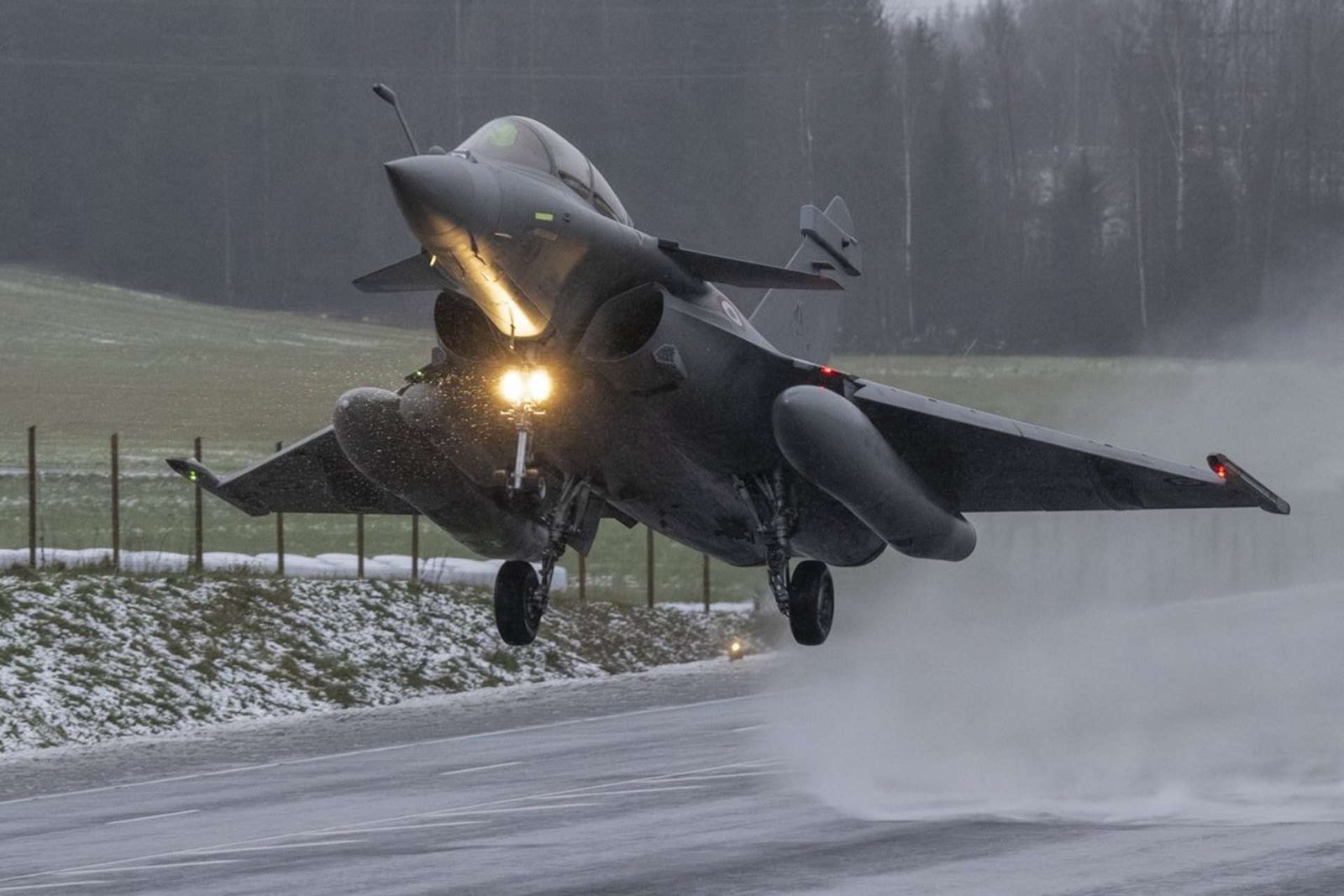
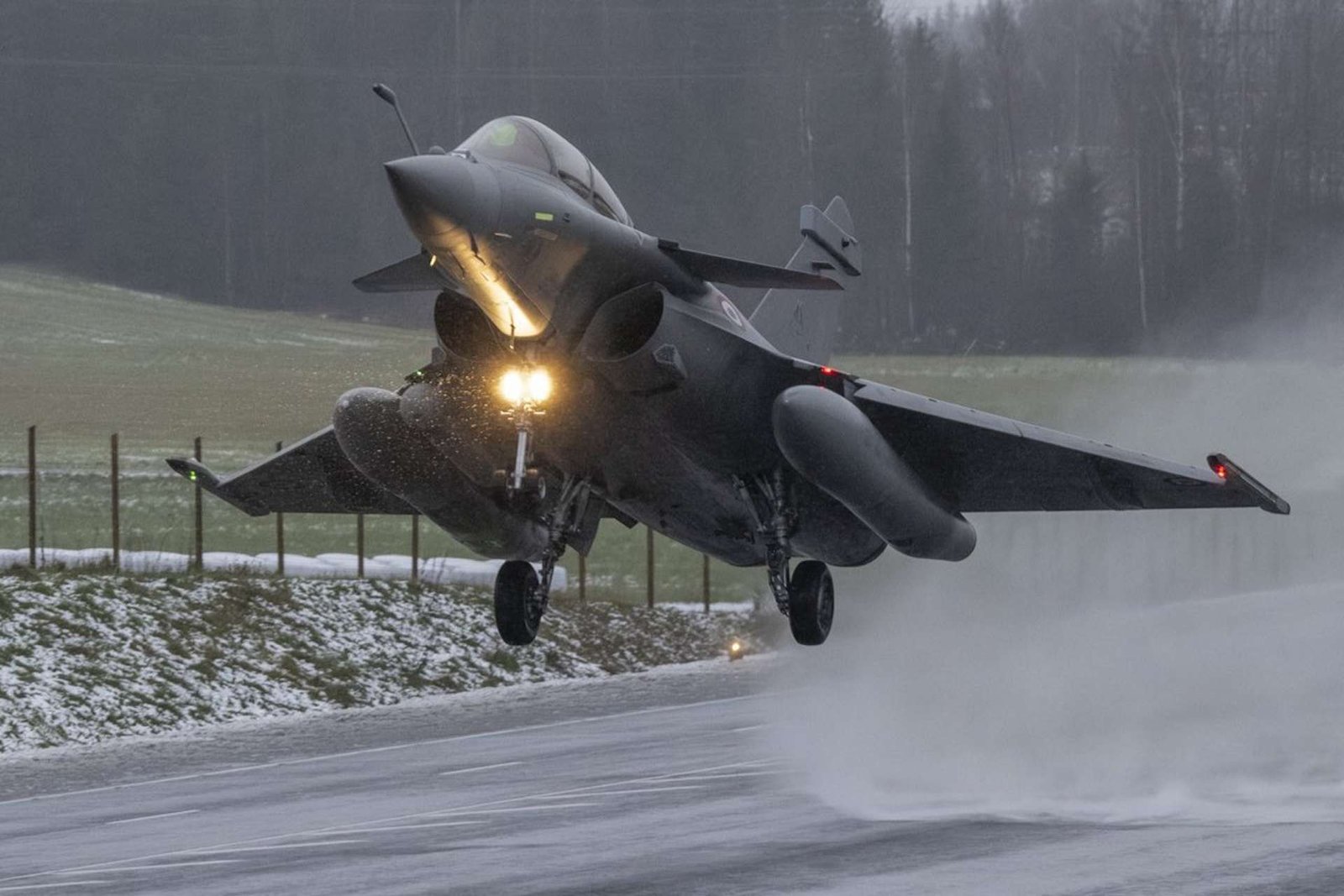
In Finland, Rafale jets of France's 1/30 Côte d'Argent squadron flew touch-and-go landings on the Jännevirta highway strip near Kuopio on November 21 — a first for French jets on a Finnish road. It was part of Protective Fence 26: more than 40 aircraft and about 4,100 personnel from four nations. The point is dispersed operations — Finland has long kept highway strips so its fighters can fly on if their bases are hit; France is learning the same skill. Its director, Colonel Vesa Mäntylä, put the aim plainly: large air operations "from a dispersed basing posture." What the landings prove is the landing itself: refuelling and rearming from the strip were not shown.
The contrast is the story: the last mailing was in the Cold War. Now Britain's regular Army stands at about 73,000 — its smallest since the Napoleonic Wars — and the letters landed the same day as an £8 billion nuclear-submarine contract meant to get the country "warfighting ready." Streeting insists Britain is "not imminently facing war," but warns it must be ready for war by 2030 — "a little over 1,000 days."
What happens next: the reservists answer, the volunteers train, and NATO's Steadfast Defender in spring 2027 will test how real it is.