Yes — and the bill he killed had not drawn a single vote against it. On September 25, 2024, Gov. Gavin Newsom vetoed Assembly Bill 2903, which would have required every state agency running a homelessness program to report, every year, what the program cost and what it achieved, with the numbers compiled and made public. The Assembly passed it 72-0, the Senate passed it 40-0, and the final Assembly vote was 77-0. Newsom vetoed it anyway.
The bill existed because of what the California State Auditor had found five months earlier. In April 2024, the auditor reported that California had spent nearly $24 billion on homelessness and housing over five fiscal years — and that the state "did not consistently track and evaluate" the spending, leaving it without the data to say whether the money was cost-effective or what it bought. Billions out the door, and Sacramento could not show its work.
AB 2903, written by Assemblymember Josh Hoover, a Republican from Folsom, was built directly on the auditor's recommendations. Starting September 1, 2025, each agency administering a homelessness program would have reported standardized cost and outcome data to the California Interagency Council on Homelessness, and starting April 1, 2026, the council would have published the compiled numbers every year for anyone to read.
Newsom's veto message did not dispute the goal. It disputed the need:
"While I fully support efforts to increase accountability and the effectiveness of our state homelessness programs, similar measures are already in place." — Gov. Gavin Newsom, veto message for AB 2903, September 25, 2024
What he pointed to was real, and narrower than the bill. The 2024 Budget Act, AB 166, already requires monthly outcome reporting for the Homeless Housing, Assistance, and Prevention Program — the state's big grant program, worth roughly $1 billion — and annual reporting for encampment resolution grants, with the reports made public by the council. And he had just signed AB 799, which, in his words, "addresses the same objectives as this bill in a more targeted and cost-effective manner." AB 799 requires agencies to compile fiscal and outcome data and make it public — starting in 2027.
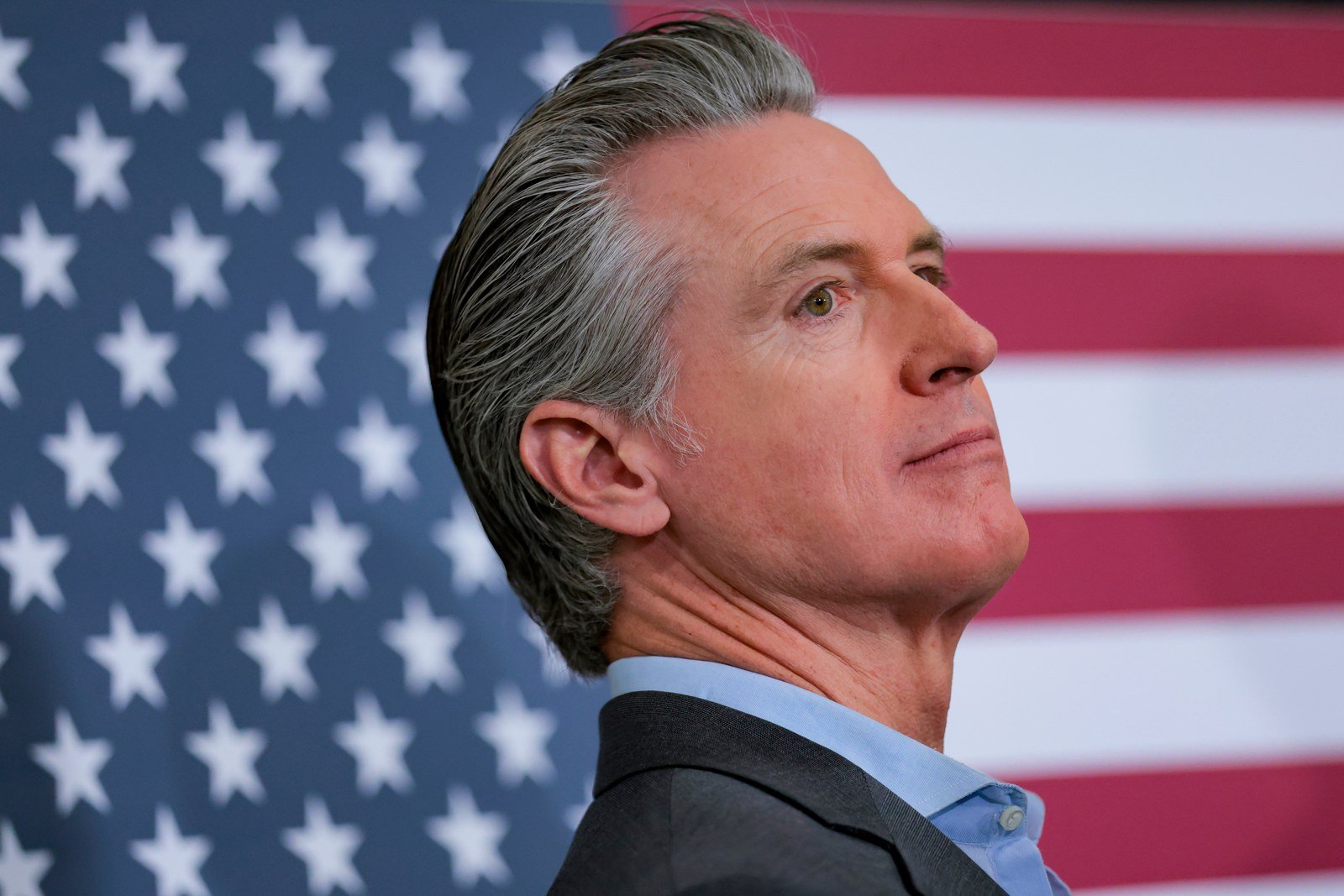
California Gov. Gavin Newsom at a rally in San Francisco on October 23, 2026. (AP Photo/Heather Diehl)
Hoover answered that the governor had vetoed the very mechanism the state's own auditor asked for. Newsom, he said, "rejected the recommendations of the State Auditor and vetoed legislation that received unanimous support in the Legislature," and called the veto doubling down on a failed response to homelessness. Not everyone in Newsom's party agreed with Hoover: State Sen. David Cortese, the San Jose Democrat who had pushed for the audit itself, voted for AB 2903 but said the administration now had the tools to oversee the spending — and no one expected the Legislature to attempt a veto override, something it has not tried since 1979.
AB 2903 was not the only one. Newsom also vetoed two similar homelessness-accountability bills, AB 2570 and AB 2093, each time pointing to oversight he said was already in place. Meanwhile the crisis the money was meant to fix kept growing: California's homeless population passed 181,000 in 2024, up nearly 60 percent over a decade, the largest in the nation. The veto returned to the headlines this October when comedians David Spade and Dana Carvey tore into it on their podcast, as we reported at the time — which is why the question is being asked again now.
That leaves a testable promise at the center of the veto. If Newsom was right, the reporting he chose instead — the budget-act reports and AB 799's public data from 2027 — will show Californians where the money went, and AB 2903 will have been the duplicate he called it. If he was wrong, the state will reach 2027 still unable to account for the largest homelessness spend in America. Hoover's warning from the day of the veto is the one the numbers will judge: "Our state has spent billions of taxpayer dollars in recent years only to see the homeless population increase statewide. We will not solve this crisis until we get serious about accountability."