Yes — she resigned. Susie Wiles gave President Trump her resignation on Thursday night, and Friday was her last day as White House chief of staff. Trump announced that Stephen Miller takes over on Monday, November 9, and that Wiles is moving to the Trump Political Operation. Nothing in either announcement reads like a firing, and no official has said she was pushed out.
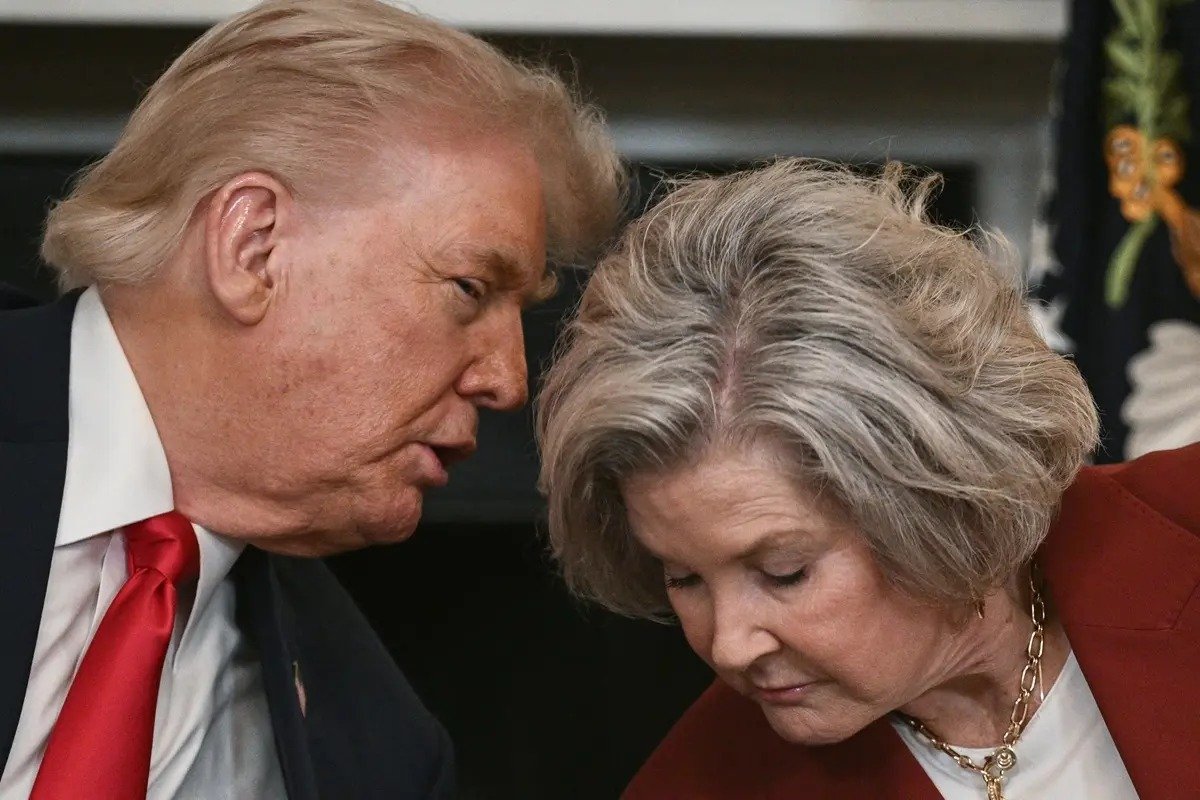
In people's minds, a chief of staff who leaves two days after her party loses both houses of Congress was pushed out. The reality on the record is different: she resigned, the president thanked her in public, she posted her own farewell the same day, and she is not leaving his world at all — she takes another seat inside it, running his political operation. The timing says firing. The facts say resignation.
Trump says she "has done an outstanding job" and thanked her for her service. Wiles calls the job "the honor of a lifetime" and says her commitment to the president "never will" change. And common sense says this: a firing ends a person's standing with a president. This ends a job — the trust stays, the seat changes. What left the White House on Friday was the manager. What walks in on Monday is the fighter — Miller, the architect of the hard-line immigration policies voters just punished at the ballot box. If the steadiest hand in the building is gone, and the hardest voice now holds the door to the president, who is left to tell him no?
"Serving President Trump in the White House has been the honor of a lifetime. I'm so proud to have been a part of what we've accomplished together from securing our border and cutting taxes to strengthening our economy and putting America First." — Susie Wiles, in her farewell post on X, November 6, 2026
The details that matter: she resigned two days after Republicans lost both chambers in Tuesday's midterms, and it is the first big shake-up of Trump's team since that defeat. Wiles was the first woman ever to serve as White House chief of staff, she ran the 2024 campaign Trump himself called his best-run, and she lasted longer in the job than any of the four chiefs who cycled through his first term. She stayed at her post through a breast cancer diagnosis she made public in March, announcing this fall that she was cancer free. The AP reported that installing Miller signals Trump is resisting a softer approach to the Democratic Congress that takes over in January, and its Voter Poll found about 6 in 10 voters said the administration's immigration enforcement had gone too far. Senate Minority Leader Chuck Schumer answered the appointment in one line: "Donald Trump learned nothing from his historic defeat."
One more fact shows what is really changing: the chief of staff is the gatekeeper of the president's time and information — often, as University of Akron professor David Cohen put it to NPR, "the last person talking to the president." Trump, leaving the White House on Friday with Miller beside him, praised them both — "Stephen has been with me from the beginning. He gets it" — and said of Wiles' departure only: "Sometimes in life, you have to make moves." Wiles closed her own farewell by insisting she is not leaving the fight: "While my role may be changing, my commitment to the President and the mission never will."