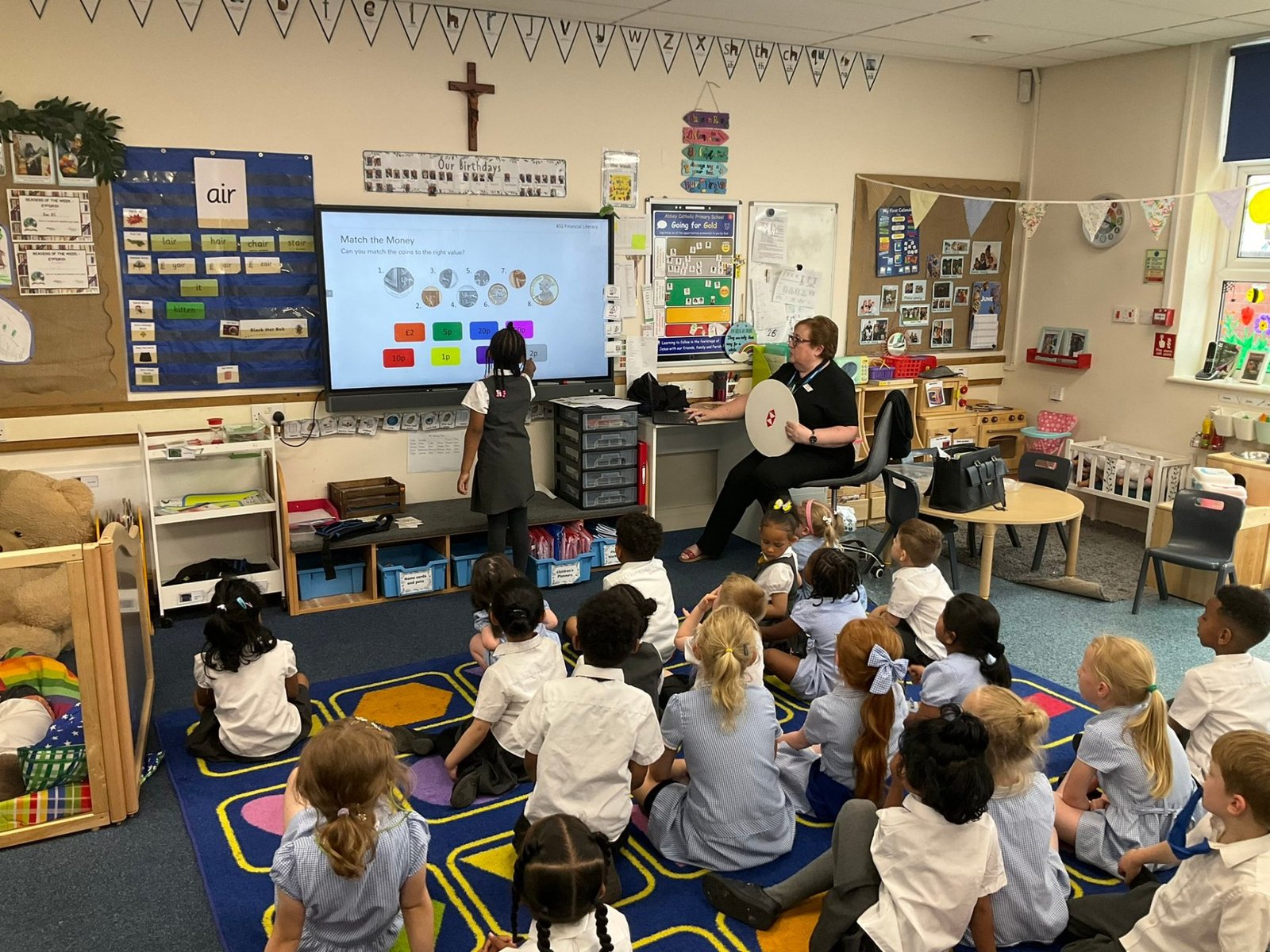
England is putting money lessons into every school. The Department for Education announced on November 22 that financial education will take a much stronger place in the national curriculum: primary children will learn to manage money and judge whether a deal is really good value, and secondary pupils will learn why prices rise, how savings grow, how to spot financial scams and how mortgages work. First teaching is September 2028.
Money is the one skill every family uses every day, and children are already spending it: the government’s own survey found more than seven in ten children aged 7 to 17 buy online, two-thirds of them without an adult watching — yet only a third recall learning about money at school and finding it useful, and nearly half of parents say too little time is spent teaching it. A child who can read a payslip, price a loan and spot a scam carries that protection for life.
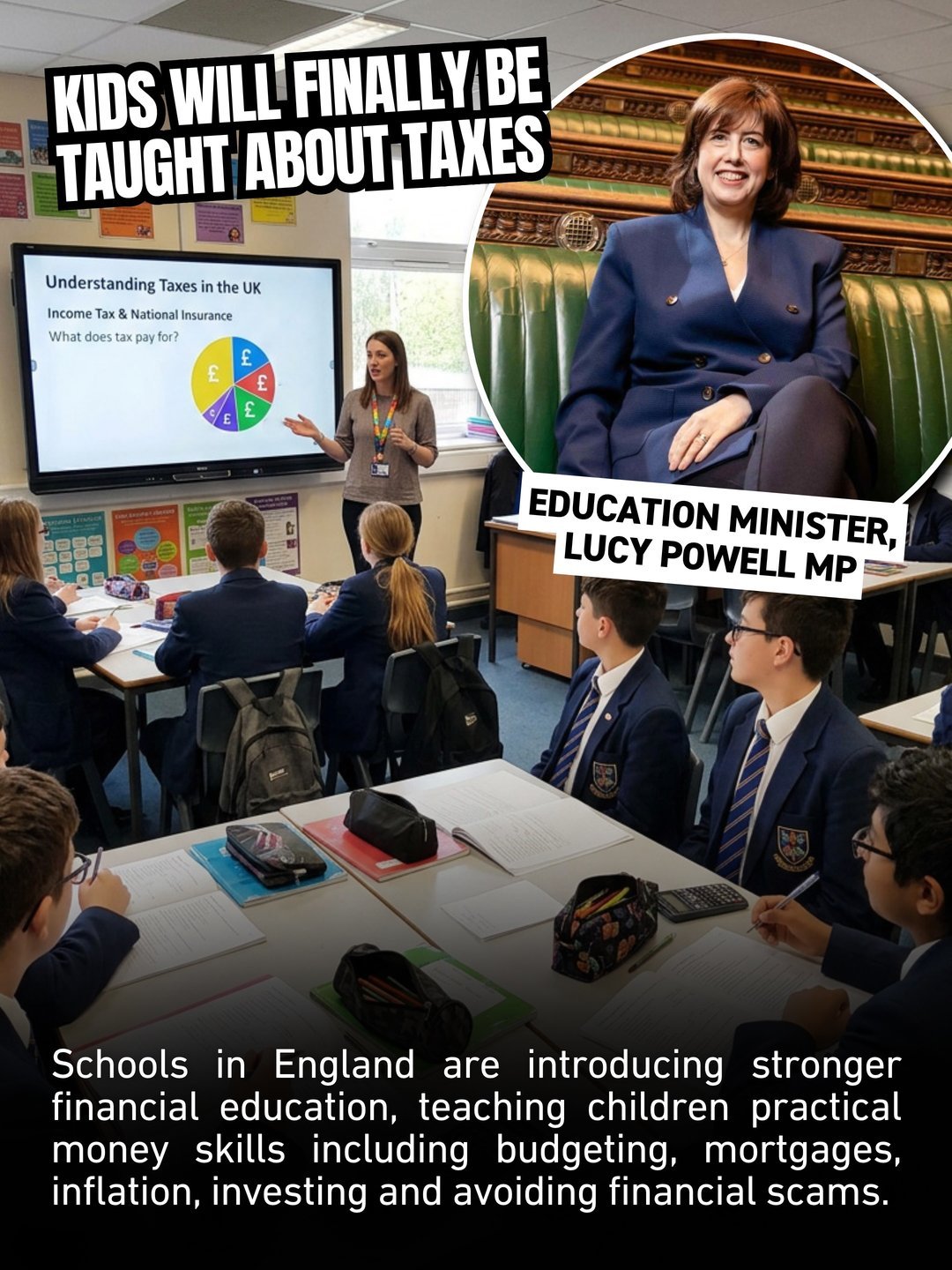
Education Secretary Lucy Powell said: “Young people are growing up in a world that is changing faster than ever, where spending money can be as easy as tapping a screen. But too many are leaving school without the practical skills and confidence they need to navigate adult life.” The system, she said, must prepare pupils “not just to pass exams, but to seize the opportunities ahead of them” — mastering the fundamentals while learning to apply them, “from managing money to navigating new technologies and preparing for work.”
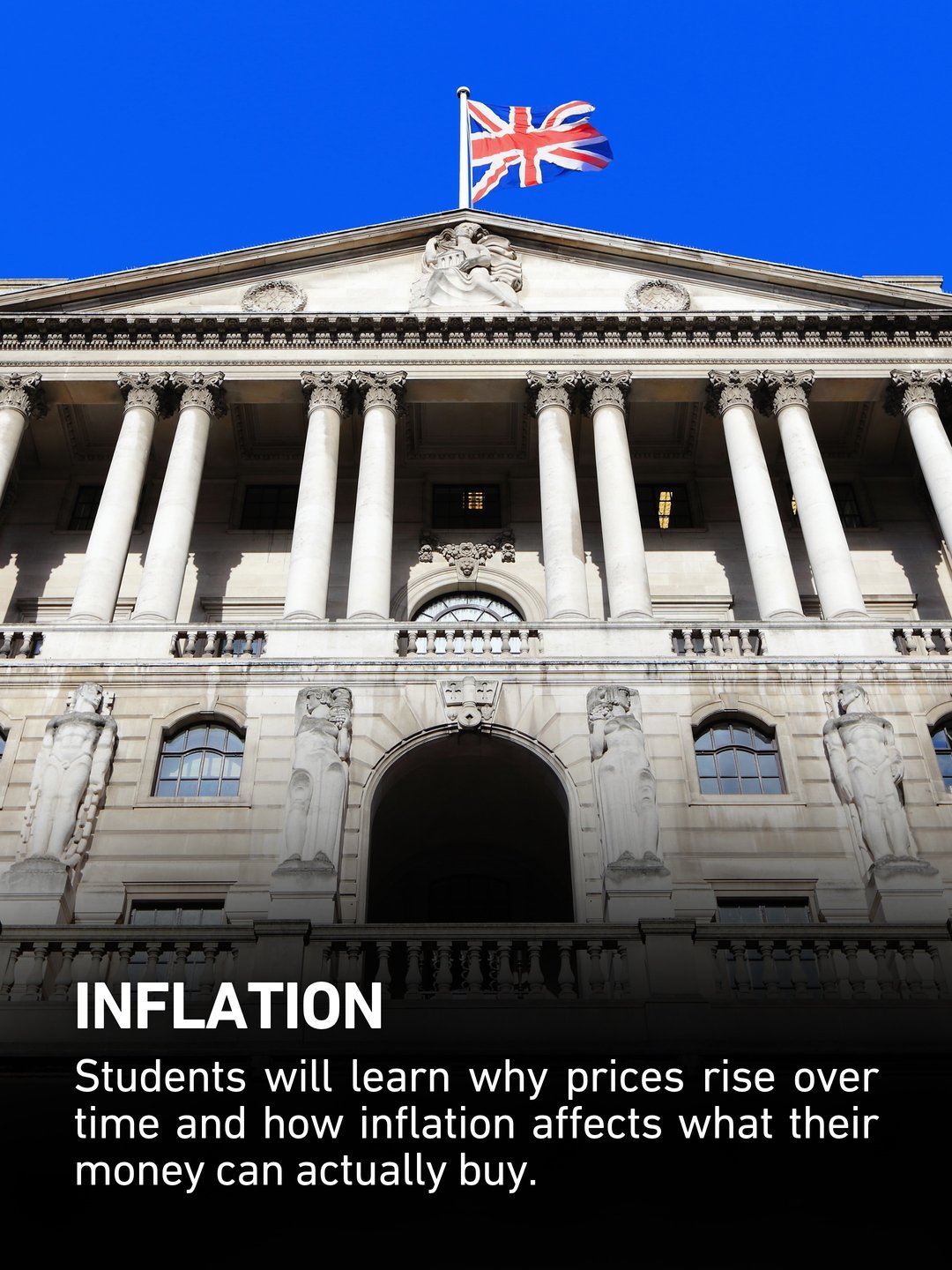
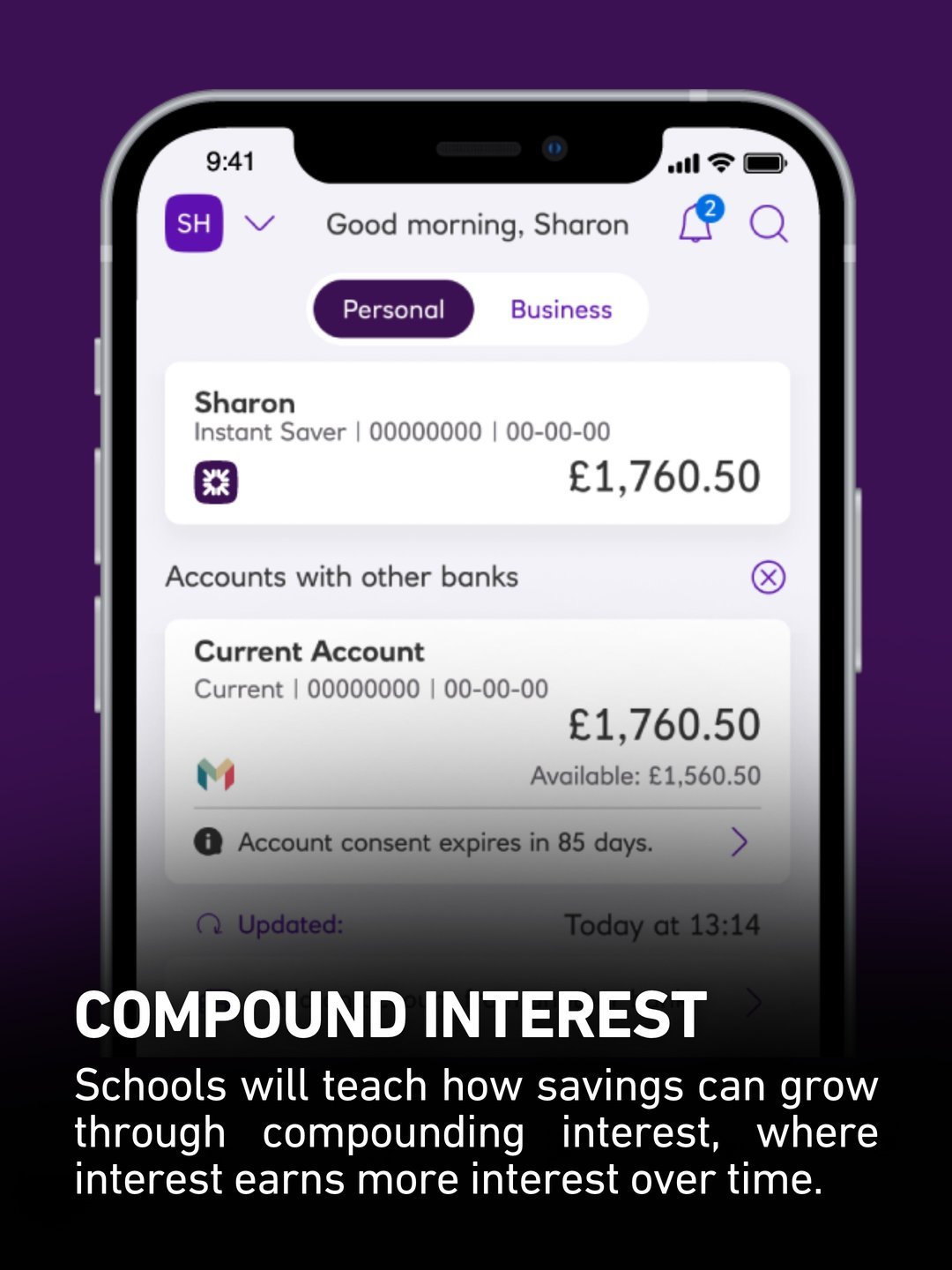
At the centre are three ideas the department calls the “big three” — inflation, compound interest and diversification of risk — drawn from Stanford’s Initiative for Financial Decision-Making, with maths tied to interest rates, payslips, savings and mortgages in citizenship lessons. The lessons are about reasoning, not just sums: comparing supermarket prices, judging whether a discount really offers good value, calculating part-time earnings, watching savings grow. GCSE foundation maths is rebalanced toward financial mathematics, and under the Children’s Wellbeing and Schools Act 2026 every state-funded school, academies included, must teach the new curriculum.



The Richmond Project, the numeracy charity set up by former prime minister Rishi Sunak and Akshata Murty, helped develop the lessons and is testing them in classrooms; Sunak welcomed the emphasis on the links between maths and financial literacy. The question others are asking is what is truly new: money topics already sit inside today’s citizenship curriculum, and GCSE papers already test compound interest. The difference, the department says, is a stronger, more practical course — though the final document defining it is not published until spring 2027.
Schools get four terms to prepare once the final curriculum lands in spring 2027, first teaching begins in September 2028 and updated GCSEs follow from 2029. The changes cover England only — Scotland, Wales and Northern Ireland set their own curricula.