
First posted on Instagram · @profilopolitics
France is officially in recession. The national statistics office INSEE confirmed on Friday that the economy shrank 0.2% in the third quarter — twice the 0.1% decline first estimated — and revised the second quarter down to a slight fall of 0.02%, so output has now dropped three straight quarters. Marie Leclair, head of INSEE's national accounts department, said it plainly: "We now have a very slight decline in GDP in the second quarter. But yes, we can say we have a recession."
Why it matters lands on ordinary French families. A shrinking economy and a public deficit now at 5.6% of GDP mean the government must cut spending or find money somewhere — while falling business investment means fewer jobs being created. It is the opposite picture from the United States, where President Trump keeps touting stronger-than-expected American growth.
The drag came from abroad and from business: exports fell 1.6% after rising 2.9% the quarter before, and foreign trade subtracted 0.6 points. Investment dropped 0.9% — construction down 0.9% and investment in manufactured goods down 1.8%. Household spending rose just 0.3%; only restocked inventories cushioned the fall.
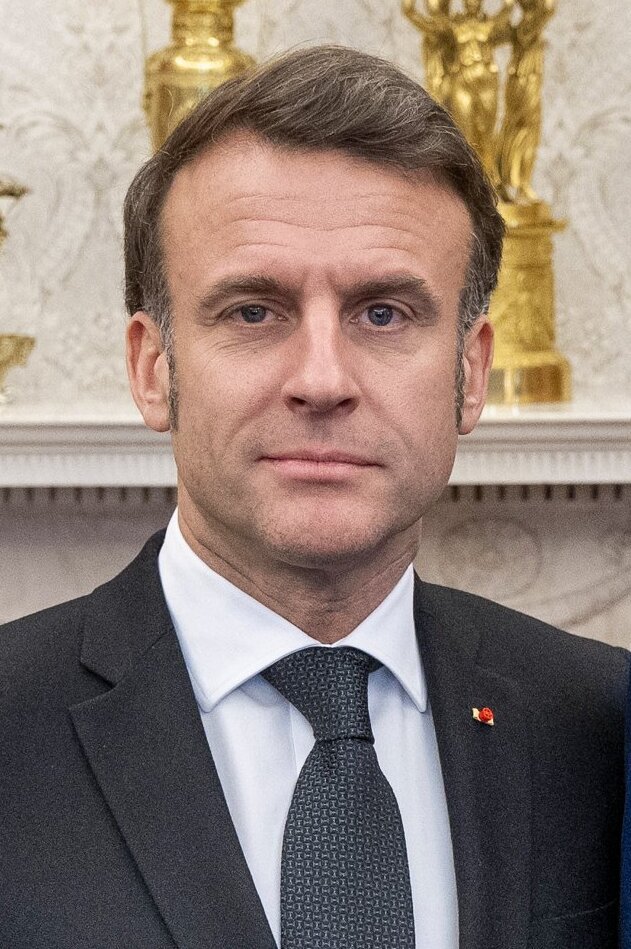
The money numbers are moving the wrong way too. The deficit widened to 5.6% of GDP from 5.3% in the second quarter — above the government's own 5.4% target for the full year — as public spending rose €3.7 billion against revenue up just €1 billion. President Macron's minority government is struggling to pass its 2027 budget, aiming to cut the deficit to 5.0%, in a divided parliament five months before a presidential election. Finance Minister Roland Lescure answered in his own words: "We must adopt a budget as soon as possible with a non-negotiable deficit target of 5%. It is imperative that we restore visibility for economic stakeholders." He blamed an energy shock, heatwaves and drought, and the electoral cycle.
What happens next turns on the fourth quarter: growth carried over from the first nine months is just 0.1%, so hitting the government's 0.5% forecast would take 1.4% growth in the final quarter. The Bank of France expects only "moderate" growth, and INSEE publishes its first fourth-quarter estimate on January 29, 2027. One relief came with the same release: inflation eased to 2.9% in November, down from 3.4% in October.