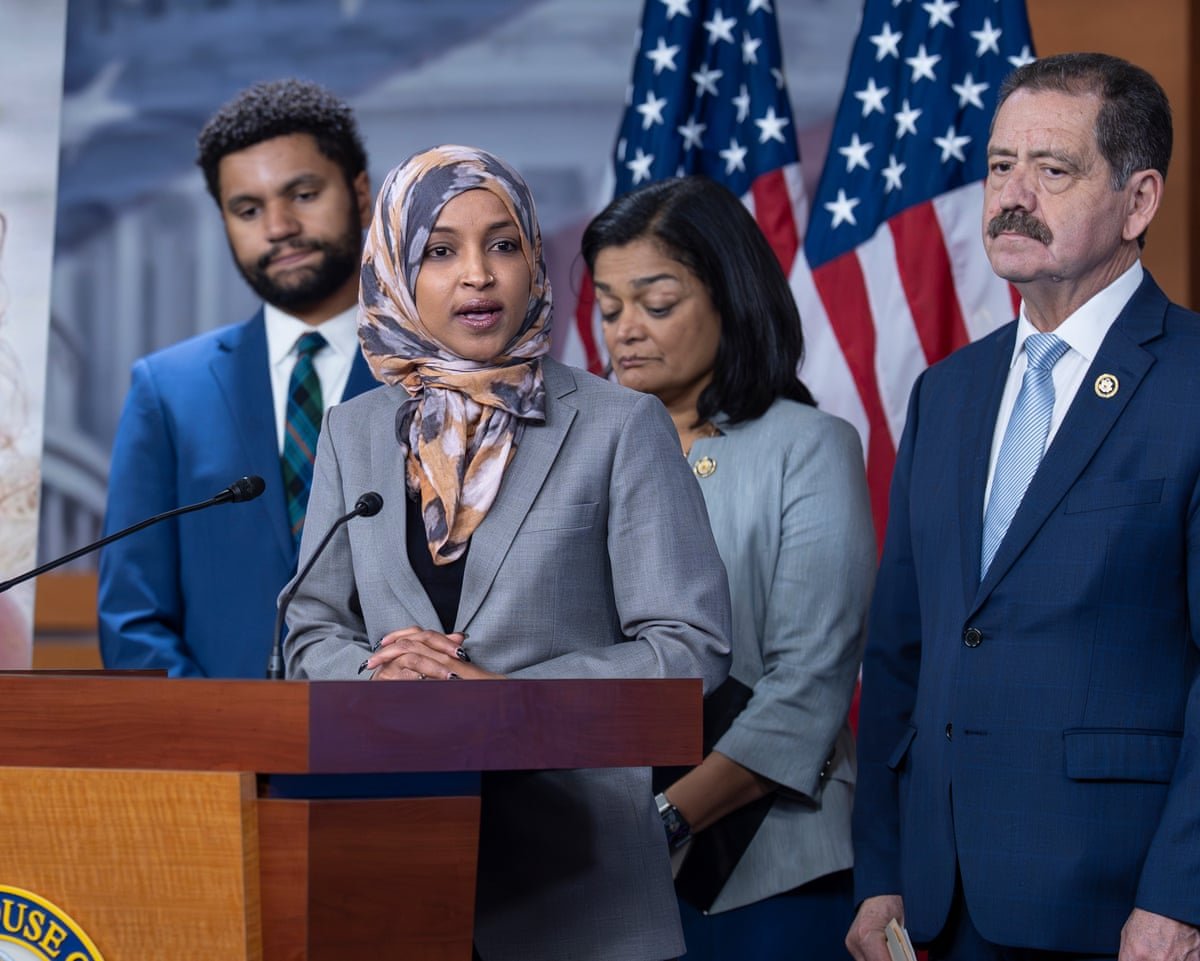
First posted on Instagram · @profilopolitics
Former Deputy Assistant Attorney General John Yoo — a Clarence Thomas clerk and one of the country's best-known conservative legal scholars — argues that if federal investigators ever established that Rep. Ilhan Omar is not a U.S. citizen, Congress could remove her, because citizenship is not an extra rule lawmakers invented: it is one of the three qualifications the Constitution itself sets for the House. The allegations against Omar remain unproven, and no finding has been made that she is illegally in the country or ineligible to serve.
Why it matters: this is the legal road map behind the fight over Omar's seat. If Yoo is right, the question is not whether Congress likes her politics — it is whether a court first finds her citizenship was never valid. Until that happens, his argument changes nothing about her status.
Yoo's words are exact: "Powell essentially means that Congress cannot add on to the minimum qualifications set out in the Constitution. Since citizenship is set out in the text of the Constitution as a qualification, it clearly can be enforced by Congress. Powell, in fact, would support a congressional decision to oust Congresswoman Omar if she was, in fact, not a citizen." Powell v. McCormack, the Supreme Court's 1969 ruling, stopped the House refusing to seat an elected member who met the Constitution's listed qualifications — age 25, seven years a citizen, and living in the state represented.
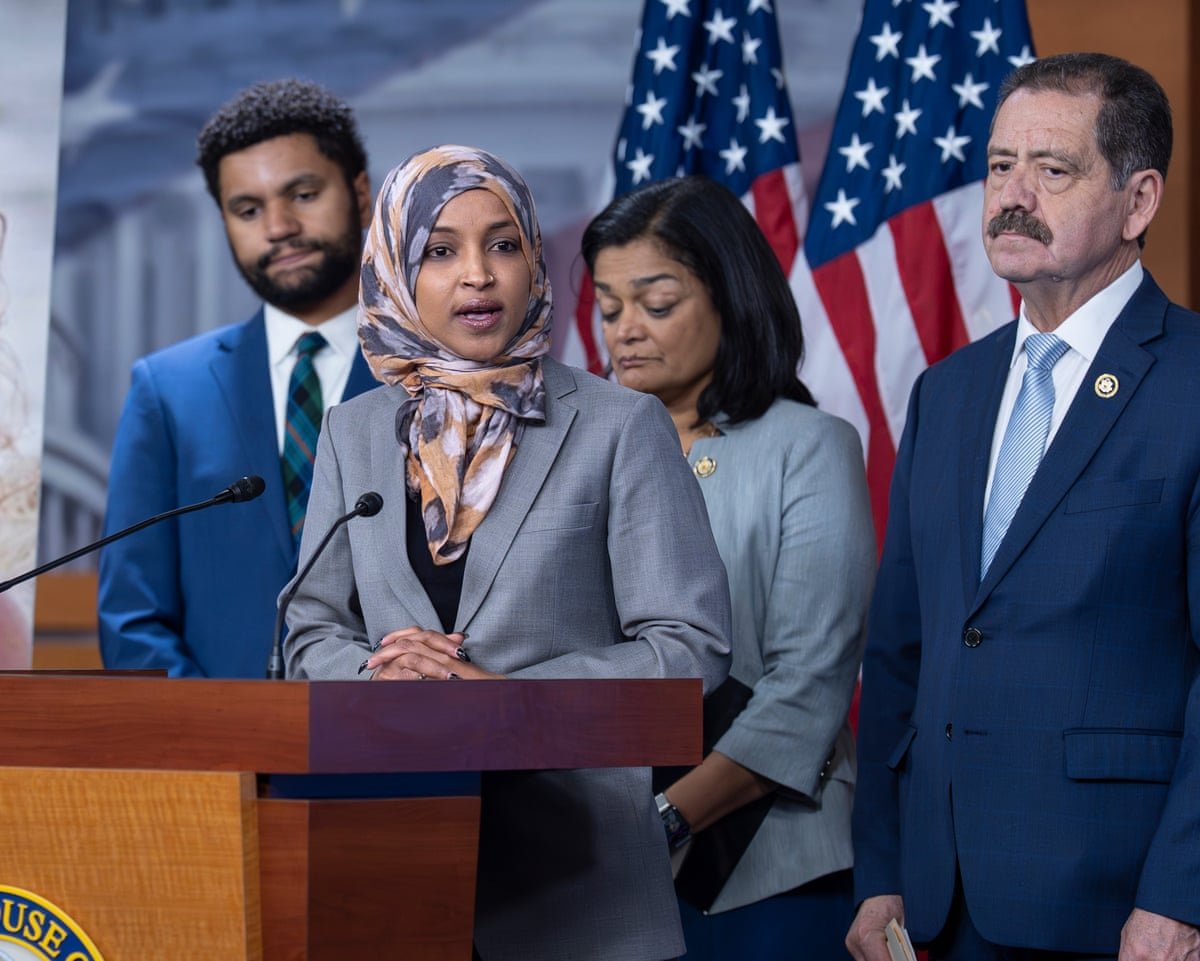
Another constitutional scholar, Cully Stimson, draws the same line from the other side of the case: Powell "did not involve expulsion. It actually was to judge qualifications" — judging whether a member meets the written qualifications is different from expelling one, which takes two-thirds of the House.
The investigation behind all this is examining whether Omar, born in Somalia and naturalized in 2000 after arriving as a refugee, obtained citizenship through fraudulent immigration paperwork connected to her late father. Federal agents have searched her Washington residence under a court-authorized warrant and seized her phone, computers, notebooks and passport. Omar has denied wrongdoing, and she also faces a separate examination of her financial disclosures.
What happens next depends on the investigators, not the debaters. If no court ever revokes her naturalization, Yoo's argument stays a theory; if one does, the House fight he describes begins the day the new Congress convenes.