First posted on Instagram · @profilopolitics
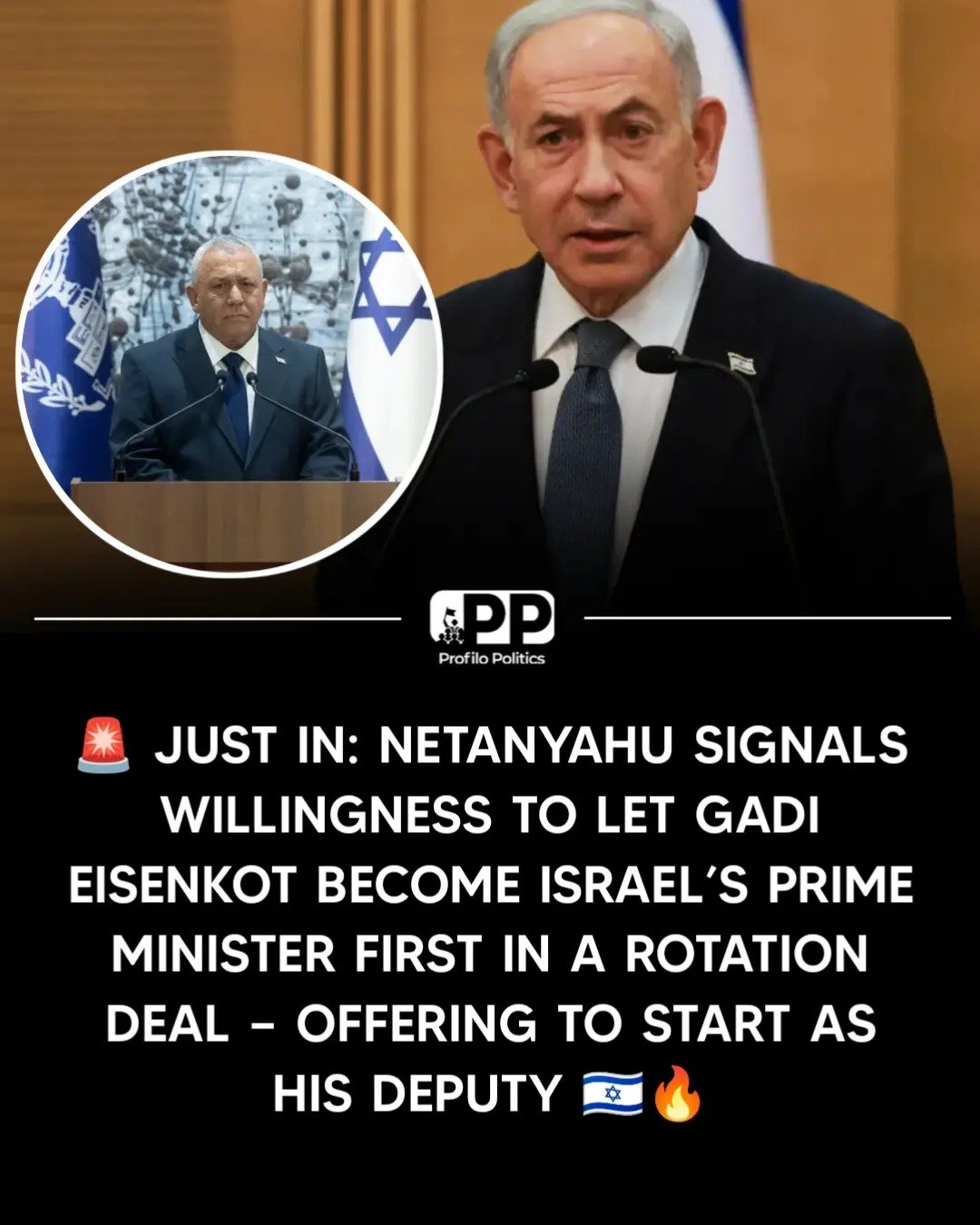
Benjamin Netanyahu said on Saturday evening that he is willing to let Gadi Eisenkot serve first as prime minister in a rotating national unity government, with Netanyahu starting the term as alternate prime minister — handing the first turn to his rival even though Likud is the largest party.
Why it matters: Israel has had no settled government since the election, and who leads the next one decides conscription, security and the cost of living. A shared government could end the deadlock — or leave voters with the leaders they tried to settle between.
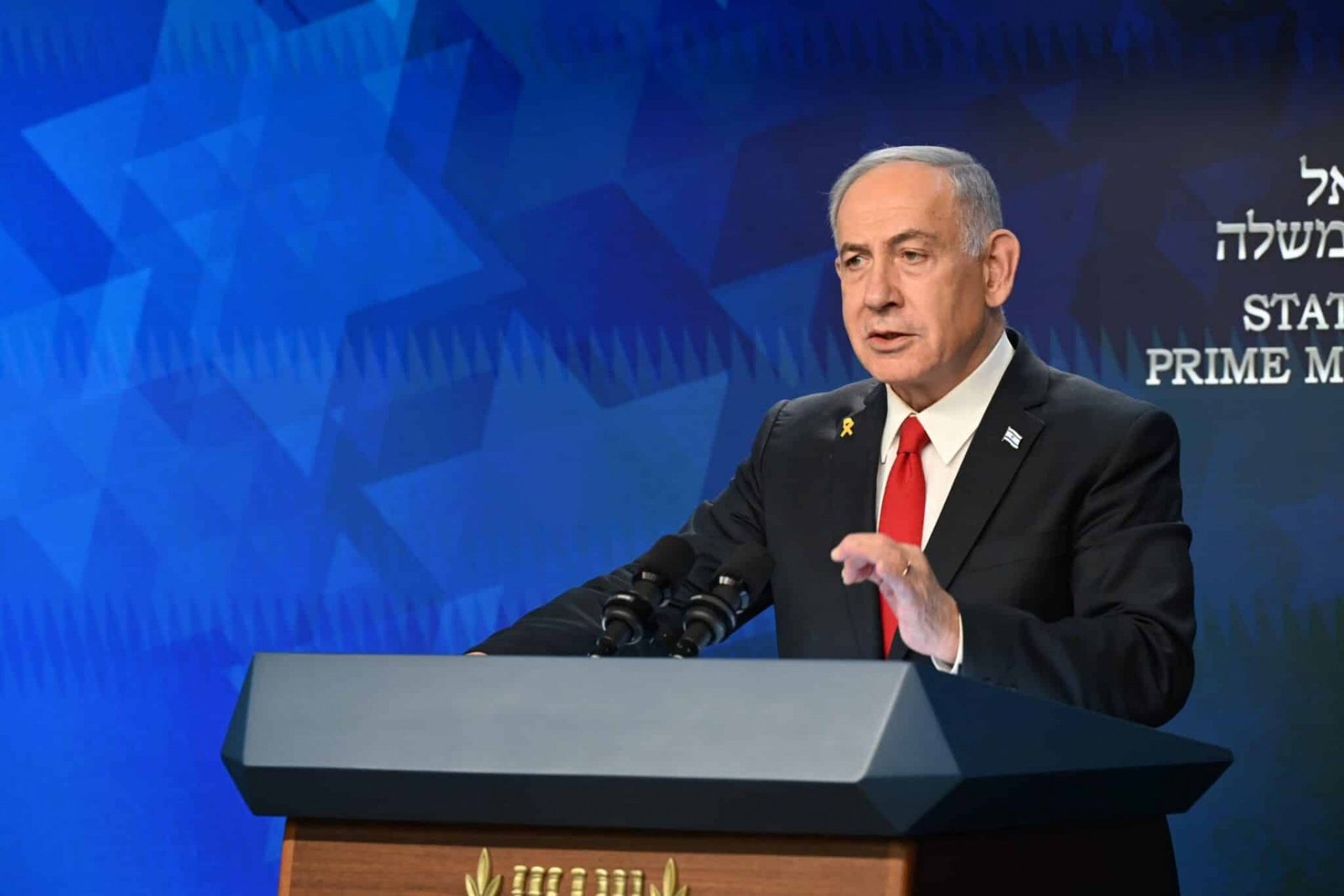
“Naturally, I should lead the unity government, or at least be first in the rotation,” Netanyahu said, pointing to a Likud lead of a quarter of a million more voters than Eisenkot’s party. “But given the magnitude of the existential danger, my responsibility as a leader requires me to put everything aside, including the principle of the largest party, and agree that Gadi Eisenkot will serve first as Prime Minister, and I will serve at the beginning of the term as an alternate Prime Minister.” He called for immediate, genuine, sincere and accelerated negotiations, said agreements could be reached on conscription and Torah study with the ultra-Orthodox partners, and warned against a government relying on Arab-led parties. No term length was specified.
Eisenkot answered by inviting Netanyahu and his team “tonight” to genuine and accelerated negotiations on basic guidelines and policy issues — and said he had already sent a detailed proposal with significant compromise positions a week earlier, through a secret channel, to which Netanyahu has yet to respond. Yair Golan answered, “Enough with the tricks and gimmicks. Netanyahu lost,” Yair Lapid called it a transparent con, and Avigdor Liberman had warned a second-place offer would be “merely a ploy.” Bezalel Smotrich called the offer “genuine and sincere” and offered to guarantee any agreement, while Naftali Bennett said he was ready for a rotation only if Eisenkot goes first.
The numbers explain the offer: the October 27 election left Netanyahu’s bloc on 53 seats and Eisenkot’s on 48, neither at the 61 needed in the 120-seat Knesset. President Isaac Herzog tasked Eisenkot on November 8; his mandate runs to December 6, extendable to December 20, and he has signed coalition deals with Liberman’s Yisrael Beiteinu and Golan’s Democrats. What happens next turns on tonight’s talks — on policy, he says, not jobs.