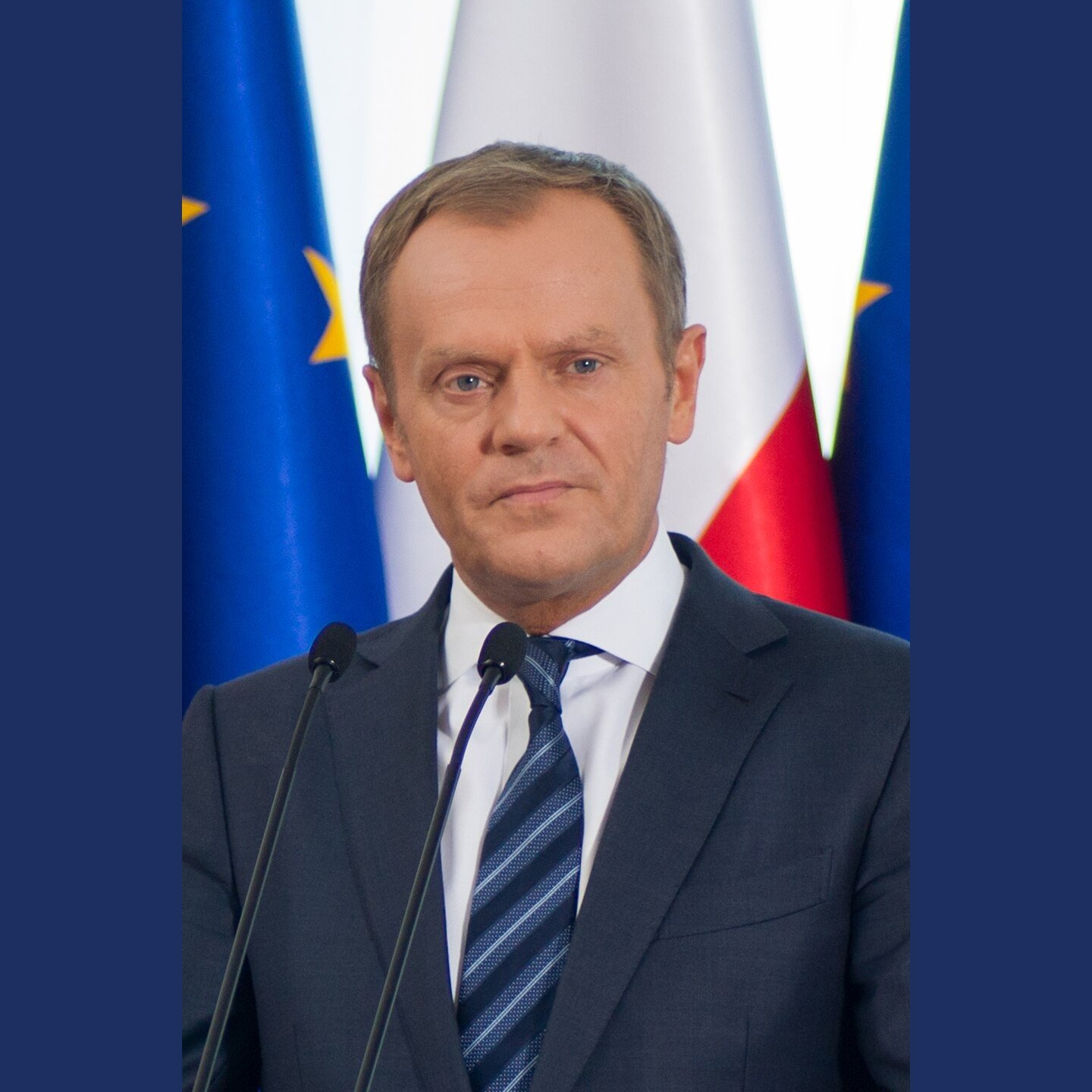
Poland's fragmented right wing is seeking common ground to try to unseat centrist Prime Minister Donald Tusk in the 2027 elections, Reuters reported on Friday, with some leaders making overtures to a Russia-friendly party that many traditional conservatives strongly oppose.
Why it matters: the race is close, and no party on the right can win it alone. Law and Justice (PiS), the former ruling nationalists, would have no chance of victory by themselves, Reuters reported, so a united list could end the rule of Tusk's pro-European coalition — but cooperating with Grzegorz Braun's Confederation of the Polish Crown (KKP) risks splitting the right in a country deeply hostile to Moscow.
PiS leader Jaroslaw Kaczynski set out the plan during an Independence Day march this month. "We will work toward having one single, big list (for the parliamentary elections)," he said, adding that he would reach out to the KKP and to the far-right Confederation. Kaczynski had previously ruled out any cooperation with Braun.
Braun advocates closer ties with Russia and renewing the Nord Stream pipelines to bring Russian gas to Europe. He is widely accused of being antisemitic, put out Hanukkah candles in parliament with a fire extinguisher, and faces criminal charges of Holocaust denial. It has won support by vowing to back Polish farmers and send Ukrainian refugees home, and around one in 10 Poles say they would vote for it.
The pushback has been swift. Confederation co-leader Krzysztof Bosak ruled out a single list with PiS, and one-time PiS prime minister Mateusz Morawiecki said his more moderate Development Plus would run alone. "No coalitions with pro-Russian populists!" Morawiecki wrote on X. Braun himself has remained silent on Kaczynski's proposal.
The polls show why the right is tempted. Tusk's Civic Coalition led an IBRiS poll for Rzeczpospolita this month with 29 percent, the Left on 7.6 percent, and its other centrist allies below the 5 percent threshold. PiS stood at 16.5 percent, the Confederation at 13.2 percent and the KKP at 10.5 percent. Analysts say if cooperation with Braun is the price of removing Tusk, many on the right will pay it. What happens next is Braun's answer — and whether a single list can hold together long enough to face Tusk.
Member News: Join ProfiloPolitics to support independent journalism and civic education.