First posted on Instagram · @profilopolitics
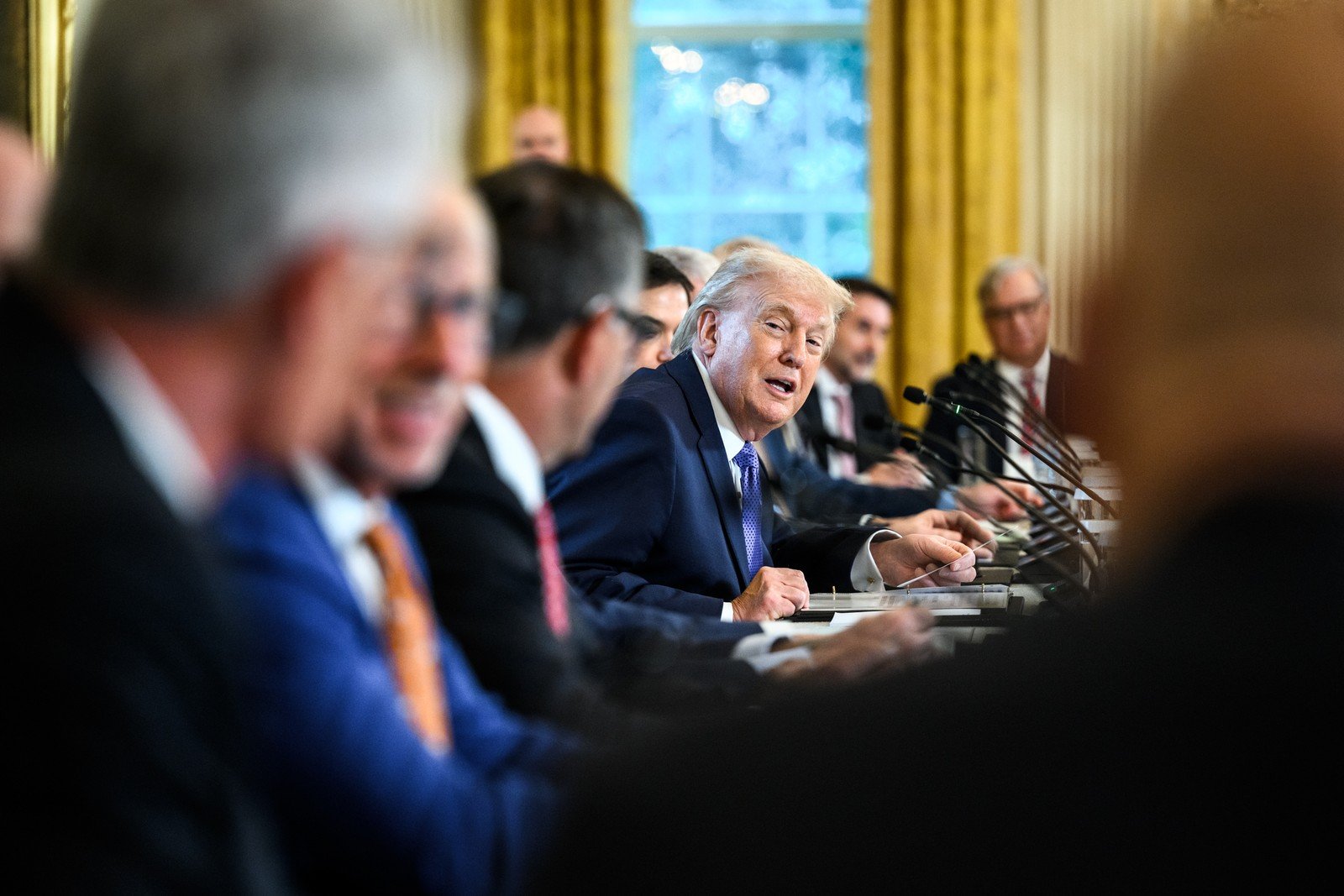
The Trump administration encouraged Venezuela and Iraq to consider leaving OPEC earlier this year and prevented Venezuela from paying its annual membership dues, according to ten people familiar with the matter, speaking to Reuters. The moves, previously unreported, targeted two of OPEC's five founding members — a direct challenge to a cartel Mr. Trump has long accused of keeping prices artificially high.
Why it matters is the price ordinary Americans pay. OPEC's production limits help set what drivers pay at the pump, and Washington was pushing both countries to pump more. America is now the world's largest oil producer: every crack in its grip means more competition, and less foreign control over American wallets.
Venezuela was pressed hardest. After the United States seized Nicolás Maduro in January, the State Department discussed with Venezuelan officials whether the country should leave: Mr. Trump wanted American oil majors to revive its output, free of OPEC limits. Washington controls Venezuela's state funds, and the State Department confirmed it in its own words: "The Department receives disbursement requests from the interim Venezuelan government and reviews the requests, including against a list of approved and prohibited uses." Lower-level officials may have raised leaving, the Department said, but "it has not been among the issues raised by high-level officials."
The pressure went far enough that Saudi Crown Prince Mohammed bin Salman — leader of OPEC's top producer — intervened this summer, persuading Washington not to press further. In August, Mr. Trump said it was up to Venezuela whether to leave.
Iraq got the same encouragement and said no. American officials held talks with Prime Minister Ali Faleh al-Zaidi as Exxon Mobil and Chevron planned investments, and he raised leaving at a government meeting — but his oil ministry pushed back, persuading him to stay and seek a higher quota instead. The State Department says its Iraq talks "have focused on improving energy infrastructure… not OPEC."
The dues Washington blocked are small money with a large meaning: about 2.8 million euros ($3.08 million) a year. OPEC is not planning to expel Venezuela over it.
Neither country has left — but the cartel has lost four members since 2019, the Emirates walked out this year, and parts of Iraq's ruling coalition still favour leaving. "The risk of OPEC fracture is rising," said Dan Alamariu of Alpine Macro. What happens next turns on whether Washington returns to the pressure.