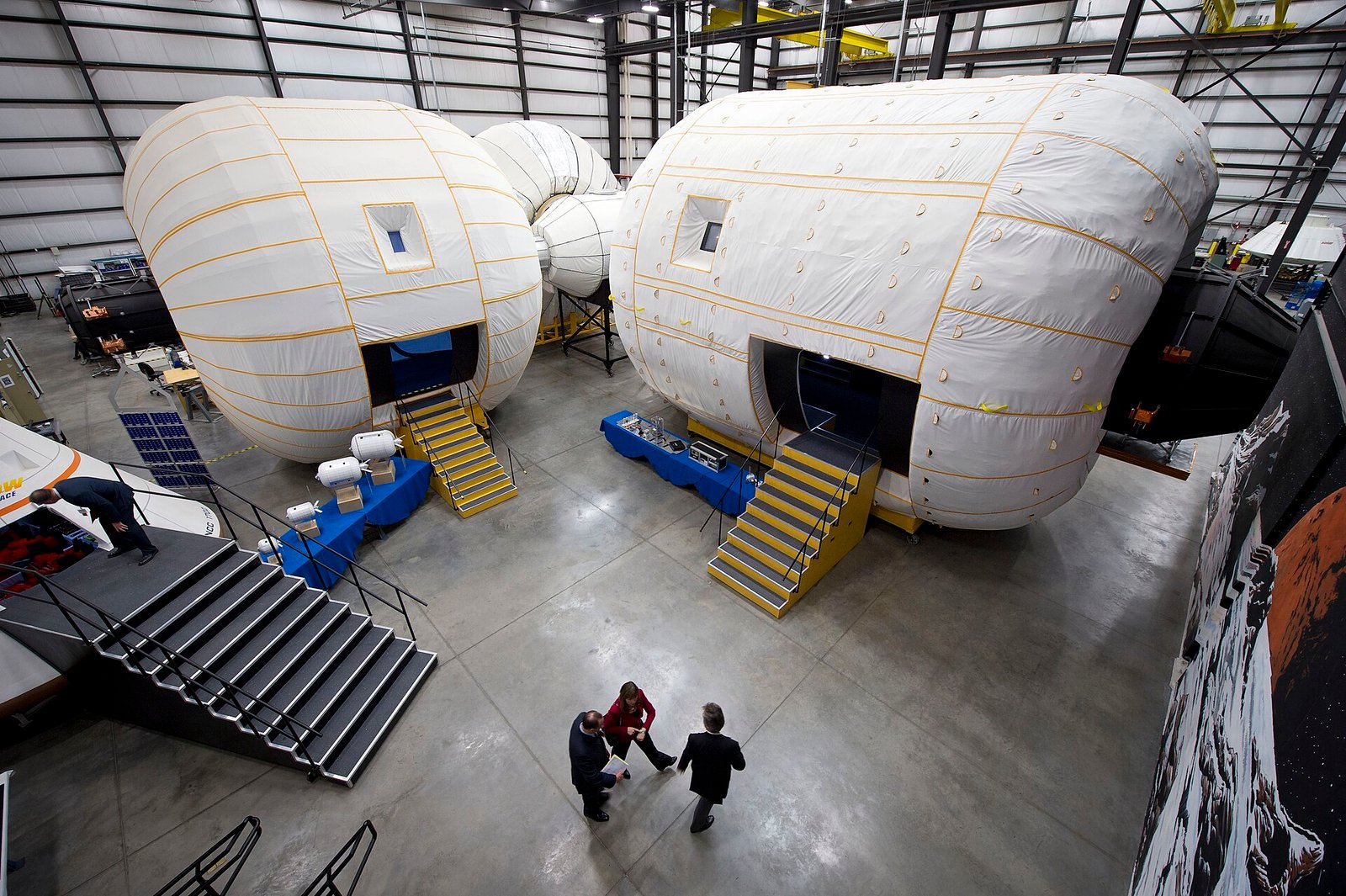
The Trump administration's eighth batch of UFO records under its UAP transparency system includes a 538-page report: a Pentagon contractor planned a secure underground vault in North Las Vegas for what it called "exotic material or tissue" — recovered hardware and biological samples tied to UFO encounters.
Why it matters: for decades Americans were told there was no UFO material, nothing to hide. The files now coming out under Trump's transparency directive show something different: not proof of alien craft, but proof that inside the Pentagon's own UFO program, serious people planned for exactly that material — and a senator tried to wall it off.
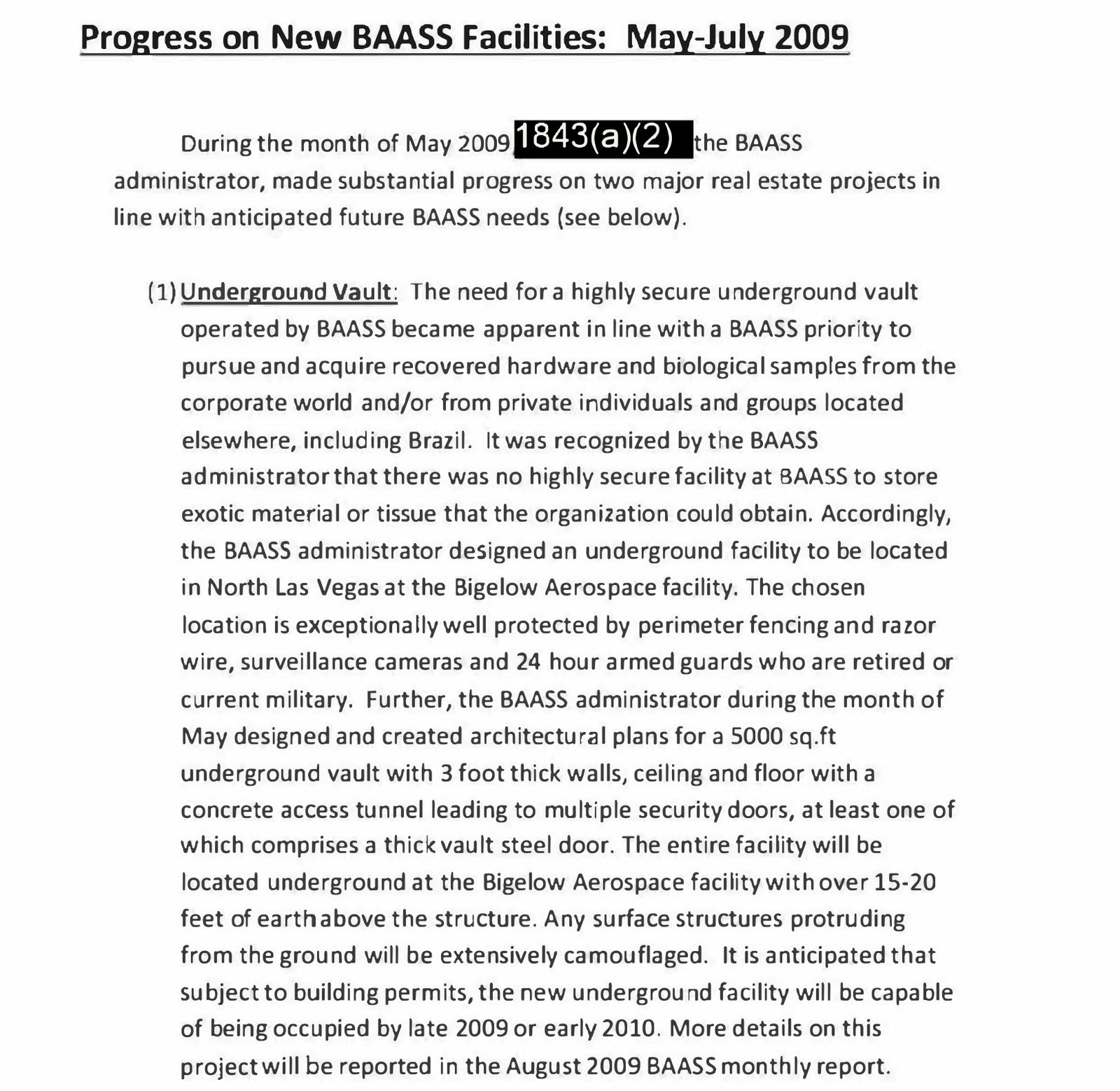
The program — the Advanced Aerospace Weapon System Applications Program — launched in 2008 on a $10 million earmark steered by Senate Majority Leader Harry Reid. One firm bid: Bigelow Aerospace Advanced Space Studies (BAASS), founded by Reid supporter Robert Bigelow. Its administrator designed the vault for Bigelow's North Las Vegas complex — 5,000 square feet, 3-foot-thick walls, 15 to 20 feet of earth overhead, an access tunnel with a steel vault door, razor wire and armed guards, surface parts "extensively camouflaged." The need "became apparent" as BAASS set out "to pursue and acquire recovered hardware and biological samples from the corporate world and/or from private individuals and groups located elsewhere, including Brazil."
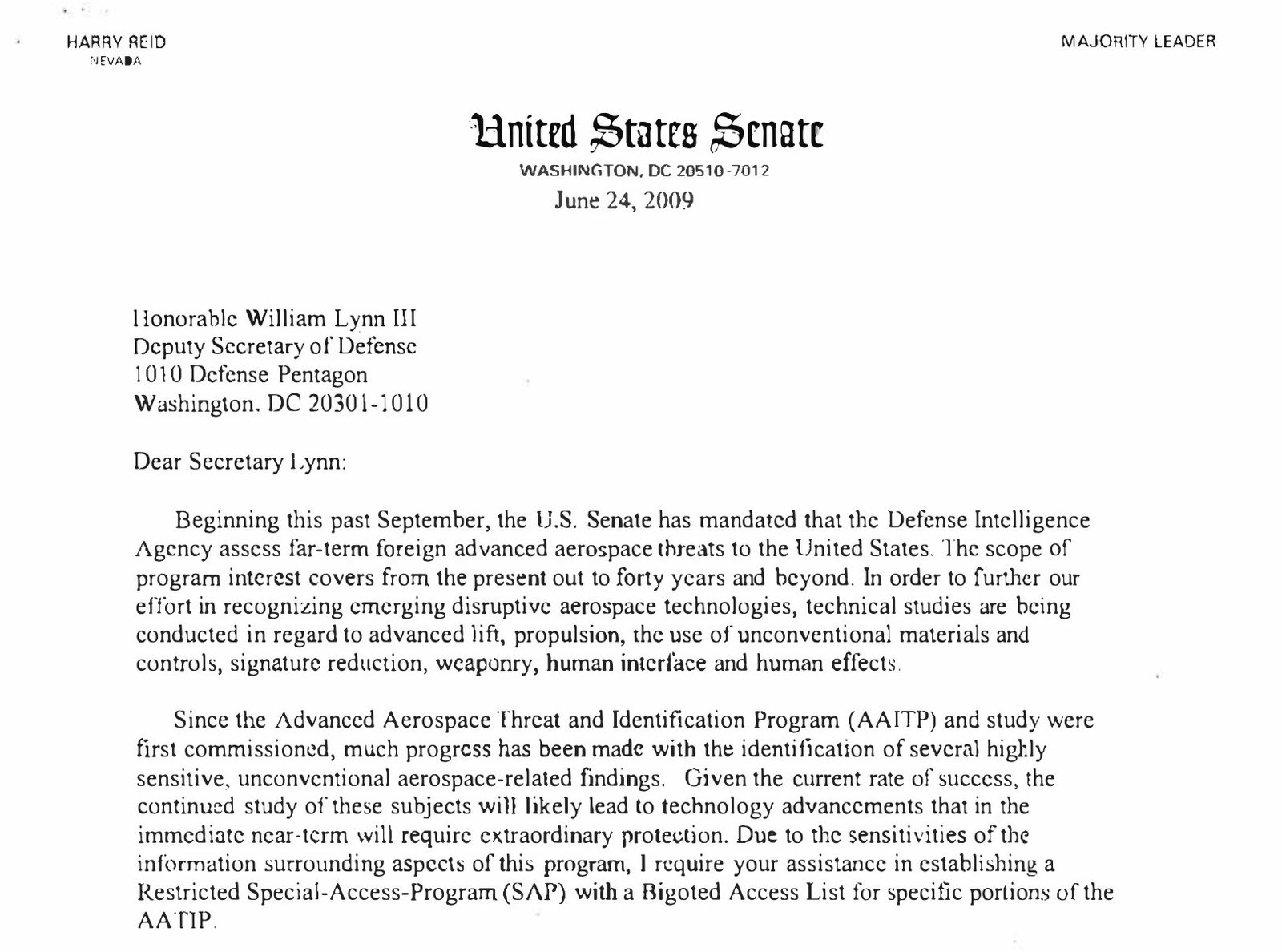
Reid pushed to hide it: on June 24, 2009 he wrote Deputy Defense Secretary William Lynn that investigators had uncovered "several highly sensitive, unconventional aerospace-related findings" requiring "extraordinary protection," and asked that the program be placed in a Restricted Special Access Program on a 14-person list including himself.
The Pentagon's evaluators said no. DIA Deputy Director Letitia Long rejected it on November 13, 2009: the documents were unclassified and the agency was "unaware of any report containing information sufficiently sensitive and vulnerable to require extra protection." DIA's director called the reports "limited value to DIA." Congress added $12 million in 2010 — $22 million in all — but DIA let the contract die after year two. The same release carries three new military sensor videos, from 2020, 2023 and 2026.
What the files do not show matters: no document says the vault was built, or that BAASS obtained any exotic material. What they prove is the planning — seen now because this administration is releasing the records batch after batch, the Pentagon says with no redactions to hide UAP encounter information.