First posted on Instagram · @profilopolitics
El Salvador is projected to grow faster than Guatemala, Honduras and Nicaragua in 2026 for the first time in more than 30 years — the World Bank has raised its forecast for the Salvadoran economy to 4.5 percent, up from 3.2 percent, putting the smallest of the four economies at the front of the region it used to trail.
Why it matters: for ordinary Salvadorans, growth built on safety is the first kind they can feel — shops that no longer pay gang extortion, streets families can use after dark, and jobs in tourism and construction that did not exist when gangs taxed every business. The argument travelling across Latin America is simple: restore order first, and the economy follows.
The numbers behind the projection are concrete. The World Bank's October outlook puts El Salvador at 4.5 percent for 2026, ahead of Panama at 4.2, Guatemala at 3.7, Nicaragua at 3.6 and Honduras at 3.4 — and up from the 3.9 percent El Salvador itself recorded in 2025. The country's own central bank projects between 4.5 and 5 percent.
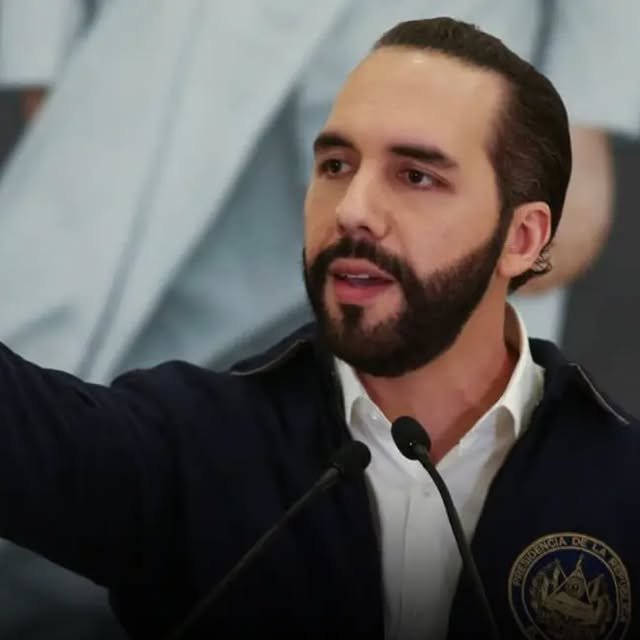
President Nayib Bukele says the country is also surpassing much of the rest of Latin America, and his supporters credit the security transformation underneath the figures: more than 92,300 suspected gang members detained since 2022, a homicide rate down to 1.3 per 100,000 people in 2025 — the lowest in Central America — and a U.S. travel advisory lowered to Level 1. A U.S. State Department report adds that business leaders say officials demanding bribes for routine services has almost completely ceased, and bank account ownership has risen from 28 percent in 2022 to 47 percent in 2025.
Critics answer that the crackdown's mass detentions carry a human and legal cost, and that foreign direct investment actually fell 37 percent in 2025 to $475 million — the money has not yet followed the headlines. Both things sit in the same record: the safety is real, and the investment test is still being taken.
What happens next is whether a 4.5 percent year becomes a habit. If El Salvador holds the region's top growth rate while keeping its streets calm, Bukele's claim — that tough leadership can change a country — stops being a slogan and becomes the region's benchmark.