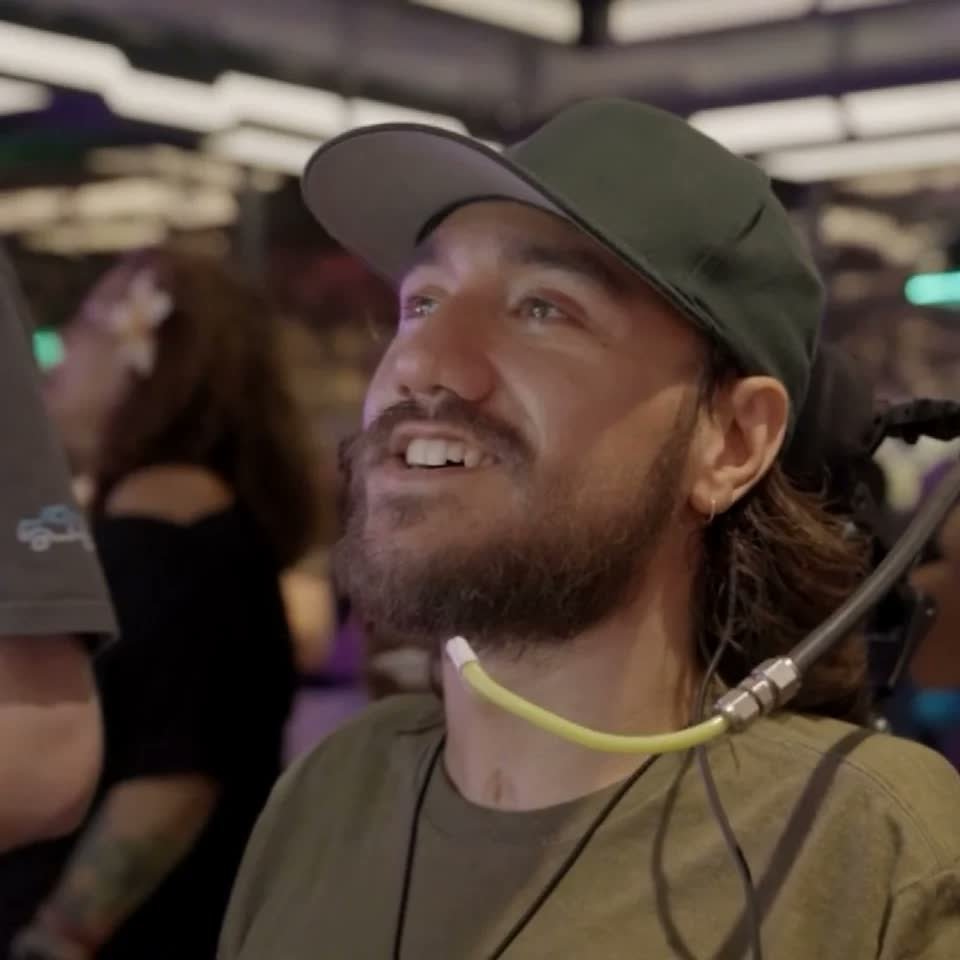
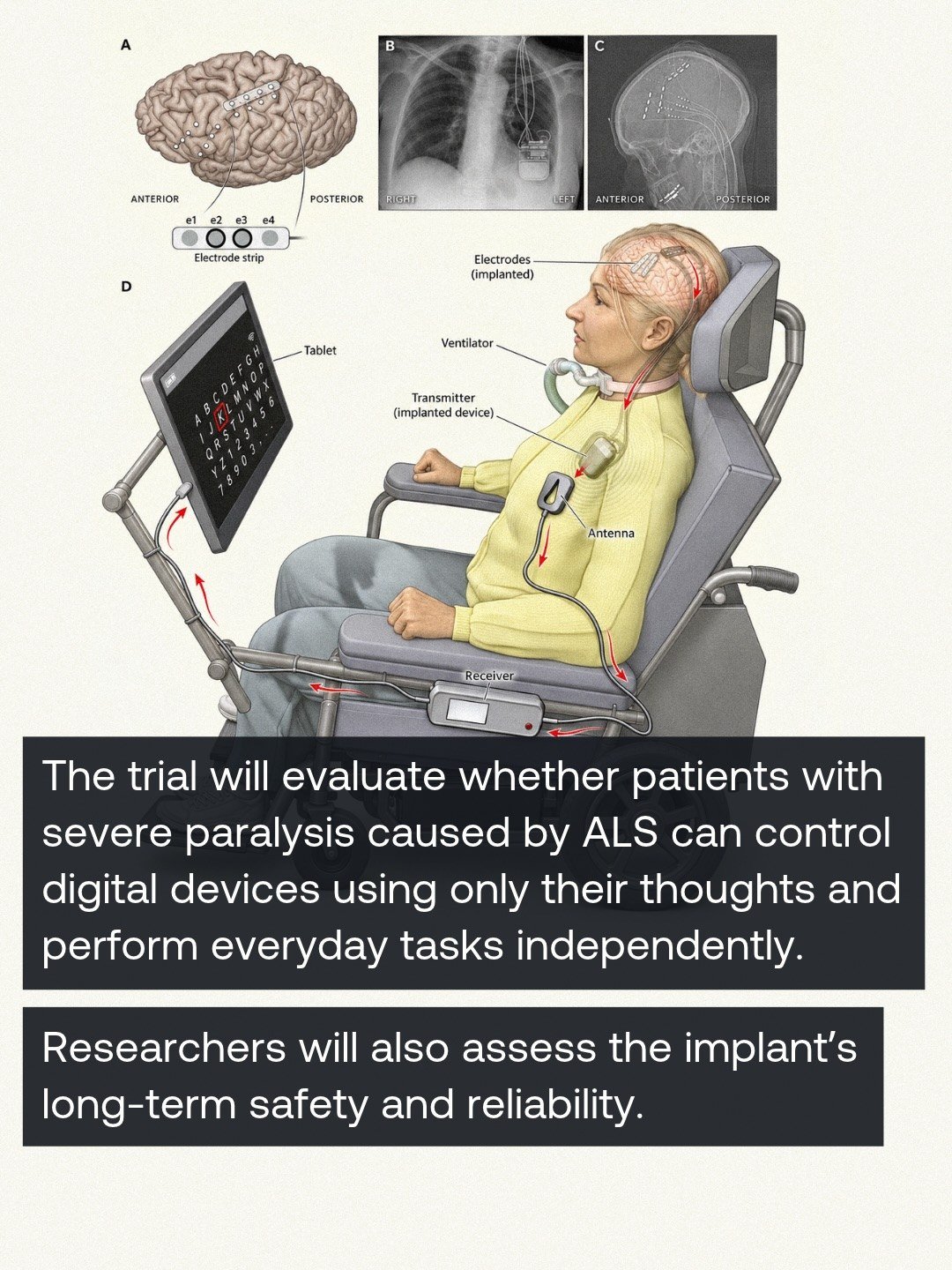
The Food and Drug Administration has cleared Neuralink to launch LINK, the first pivotal trial of an implantable brain-computer interface in the United States. The study will place the company's implant in adults with severe paralysis caused by ALS and test whether they can control digital devices by thought alone. The company announced the clearance on Wednesday; enrollment is already open.
Why it matters: ALS destroys the nerve cells that control movement, taking away walking, then hand use, then speech itself. For someone who can no longer move or talk, a device that turns thought into a cursor and typed words is not a gadget — it is a way back to speaking to family, working, and running daily life without waiting on someone else's hands.
Neuralink put the news this way: “We've received FDA approval to launch LINK, the first pivotal trial for an implantable brain-computer interface in the US. This builds off of our work with 30+ participants with Neuralink to date.” The study, the company said, “will evaluate the ability of participants to use Neuralink technology to control digital devices through thought, with a focus on functional outcomes that improve independence in daily life.”
Those 30-plus participants are in earlier studies in the US, Canada and the UK; among them is Bradford Smith, the first person with ALS to receive the implant, in November 2024. Smith, who can no longer speak, communicates through the device and has edited video with it. Neuralink has now closed enrollment in PRIME, its first study in the US, and shifted recruitment to LINK. The coin-sized implant's electrode threads are placed in the brain by the company's surgical robot.
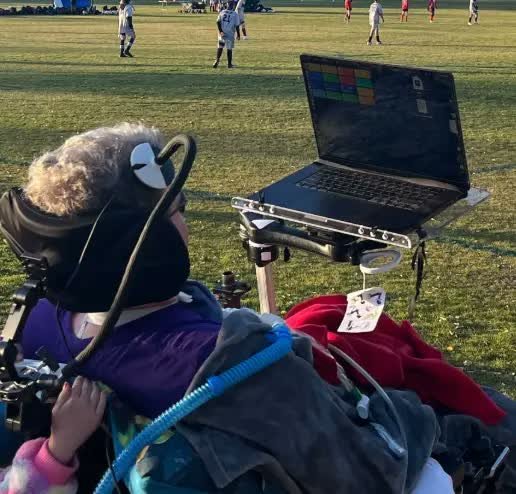
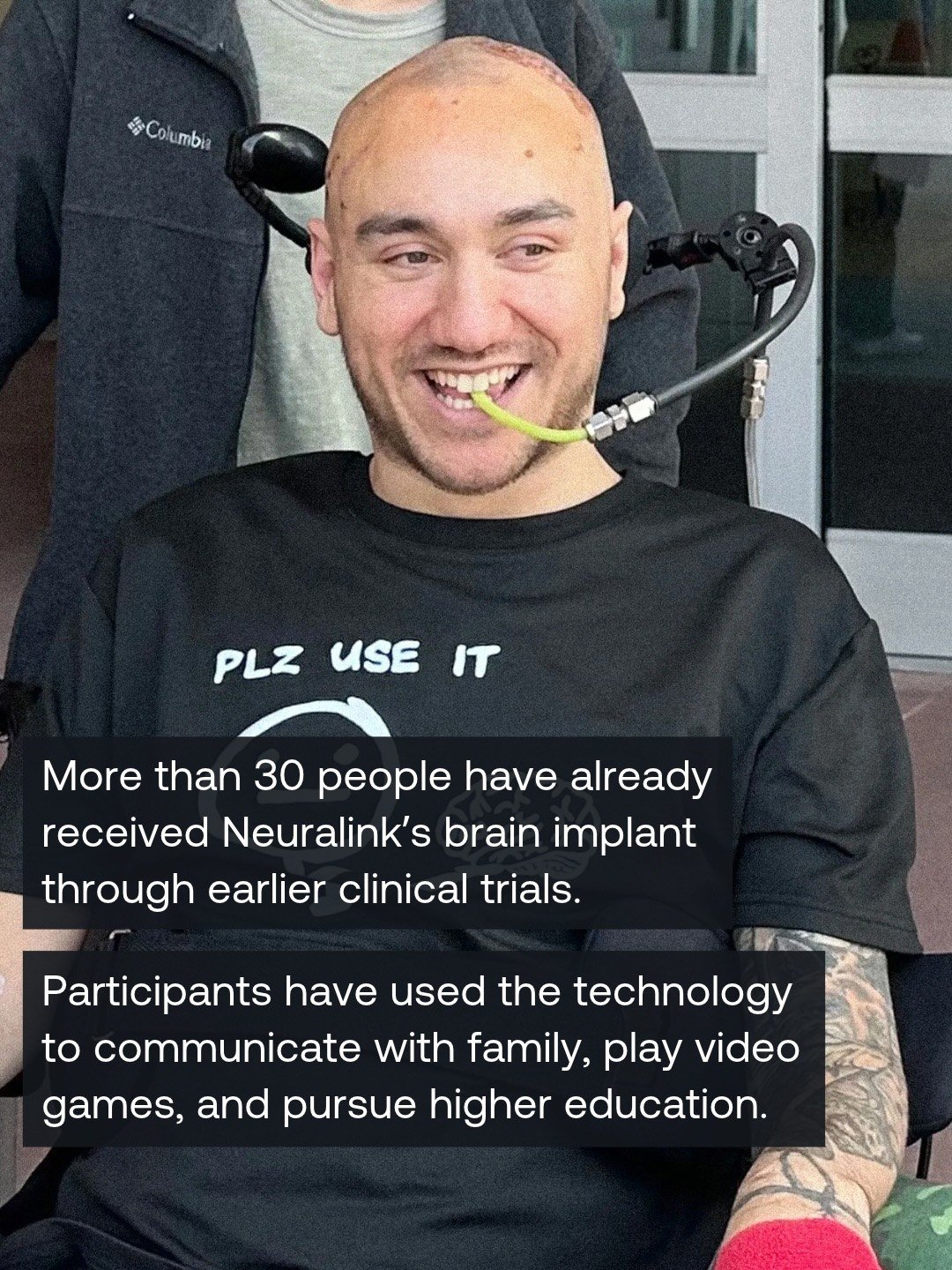
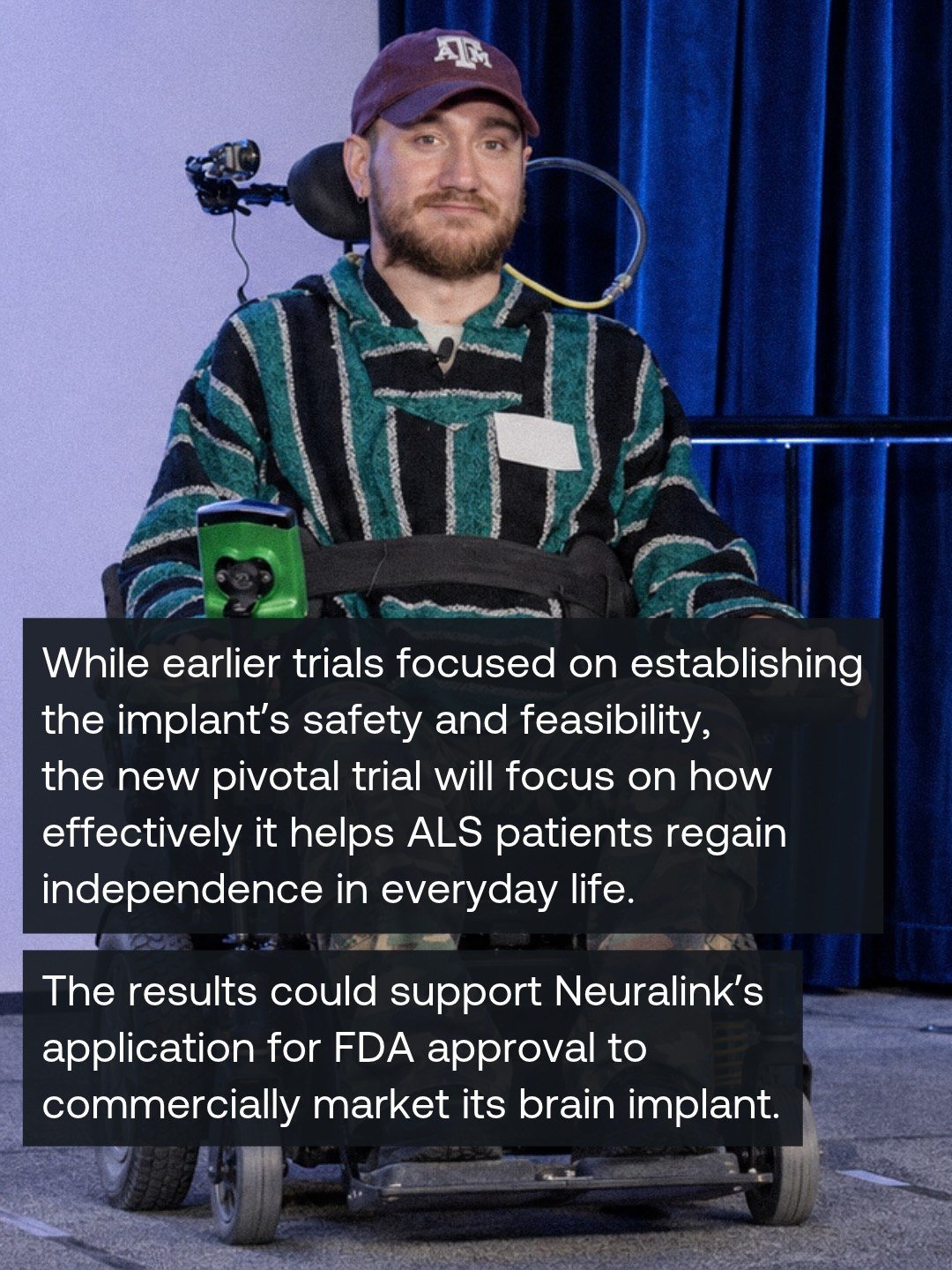
The caution stands beside the hope: this clearance is permission to run a trial, not approval to sell the implant. The device remains investigational, Neuralink has not said how many patients LINK will enroll, where, or for how long — and there are no results yet for it to stand on.
Enrollment is open now to adults in the US living with ALS, through the company's patient registry. What comes next is the proof: LINK has to show the implant stays safe over time and that thought-control holds up in everyday life — the evidence any future application to sell the device will stand or fall on.