First posted on Instagram · @profilopolitics
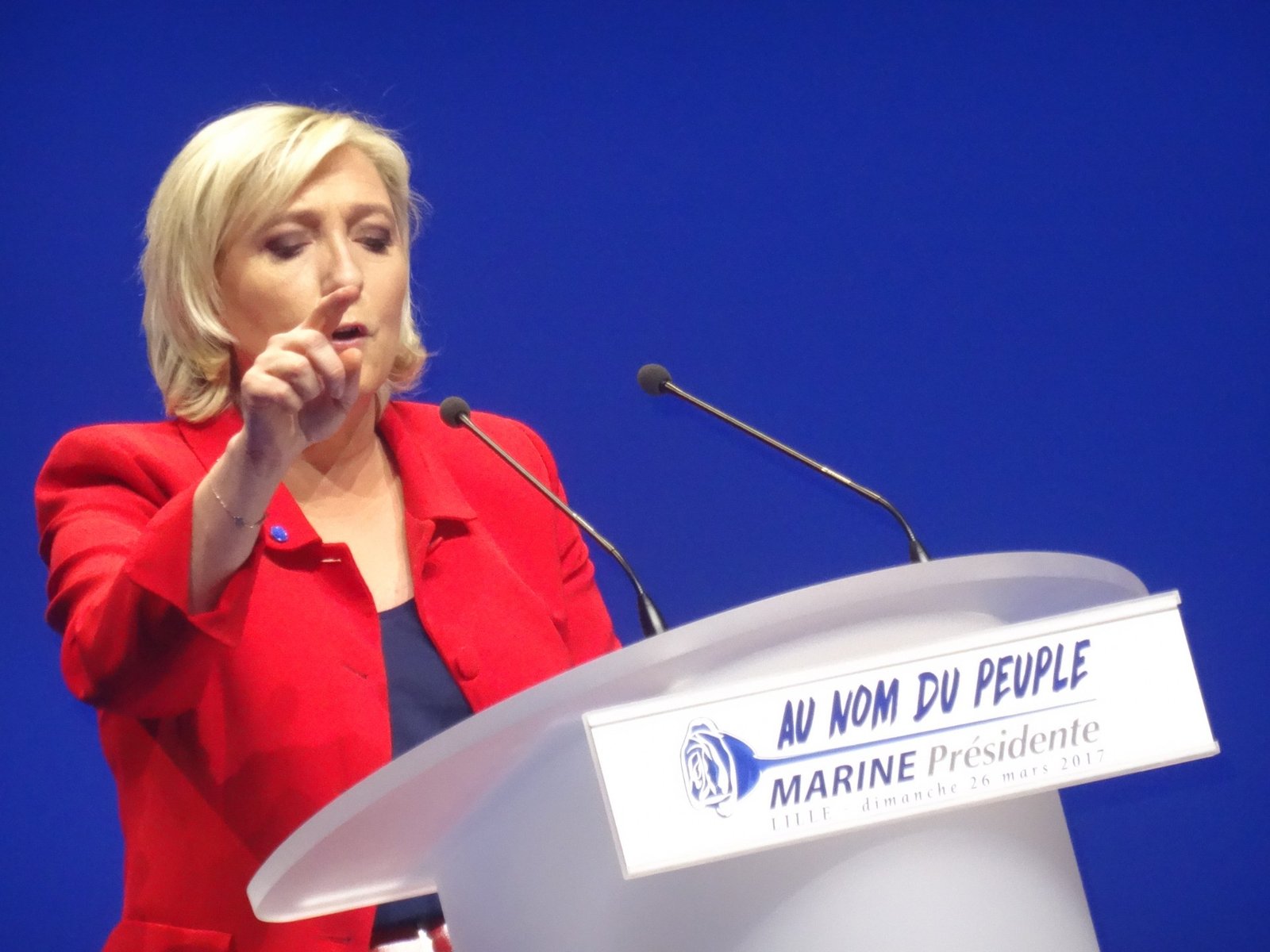
France and Germany are moving to shield the European Union's next seven-year budget from a possible Marine Le Pen presidency, wrestling in Brussels on Thursday over a 2028–2034 plan worth nearly €1.6 trillion ($1.76 trillion). Le Pen, who leads the polls ahead of the April 2027 presidential election, has pledged to halve France's net contribution to the EU and to stop funding Ukraine, and she has not ruled out refusing to ratify the budget if she wins.
Why it matters: the fight is over who really decides. Supporters say locking the money in now protects the stability of the whole bloc and keeps faith with Ukraine; critics answer that it fences in French voters before they have cast a ballot, tying the hands of a government they may elect precisely to change course.
Germany, which carries about a quarter of EU spending, wants long-term support for Ukraine written into the budget law itself, so it cannot simply be switched off by a new president in Paris. The Commission's proposal sets aside €100 billion for Ukraine over seven years, a figure widely seen as insufficient. Chancellor Friedrich Merz put the aim plainly: “We must ensure that Ukraine receives sufficient support in the coming years.”
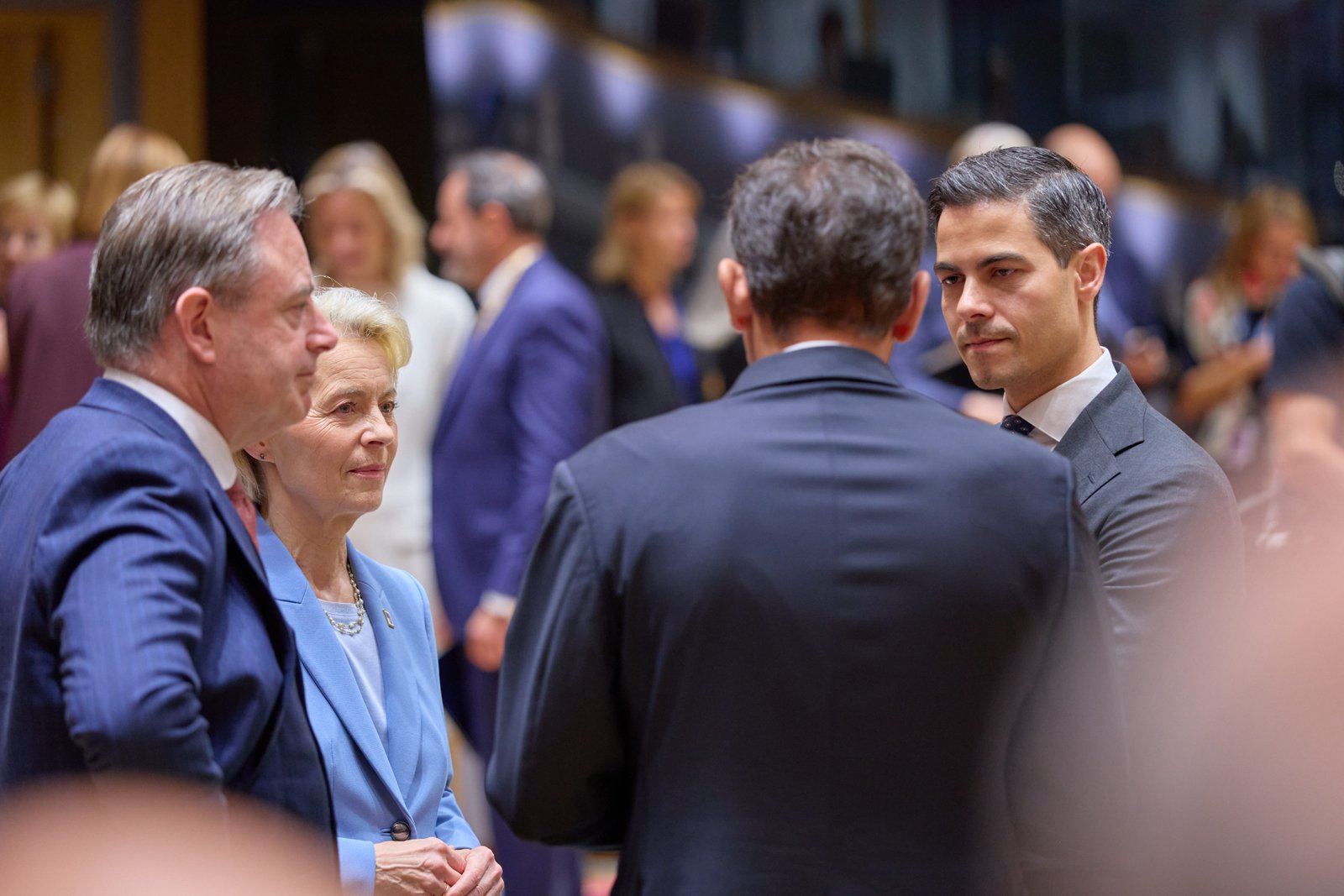
Paris, for its part, is seeking an extra €35 billion in EU farm subsidies from 2028 — a move officials say locks in benefits for France and makes the whole deal harder for Le Pen to unpick. Her supporters call that a stitch-up against the voters; the governments pressing ahead call it prudence, arguing that farmers and a country at war cannot plan on promises that vanish with one election.
Where it stands: the budget needs the unanimous approval of all 27 member states, and leaders are seeking a deal at their December 17–18 summit, yet ratification in France is unlikely before the April election — which is exactly the point of the rush. The talks are already strained: Slovakia, the Czech Republic, Hungary and Bulgaria object to every member contributing to a €45 billion loan for Ukraine. If the shield holds, the next French president inherits a budget built to outlast her.