First posted on Instagram · @profilopolitics
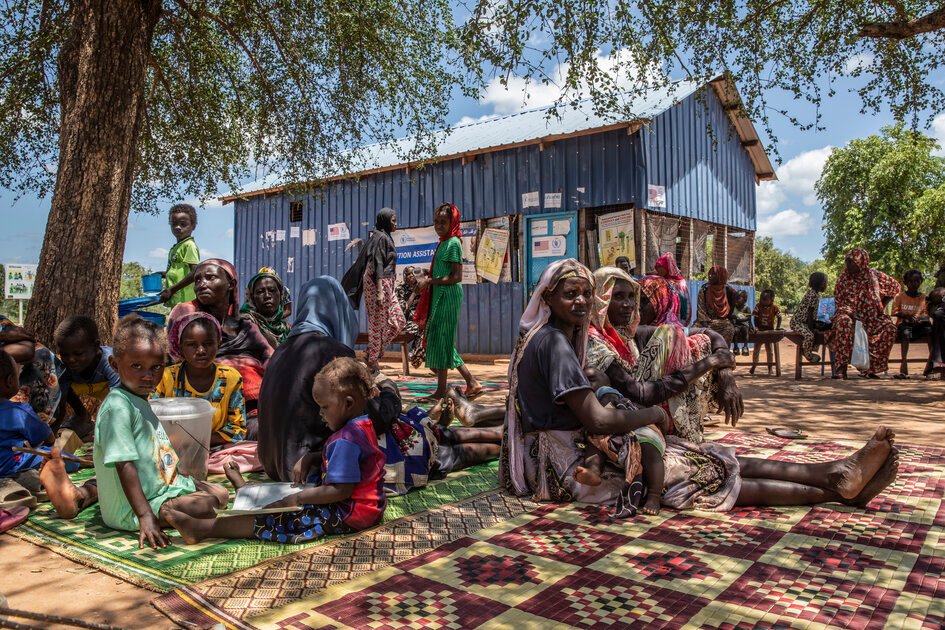
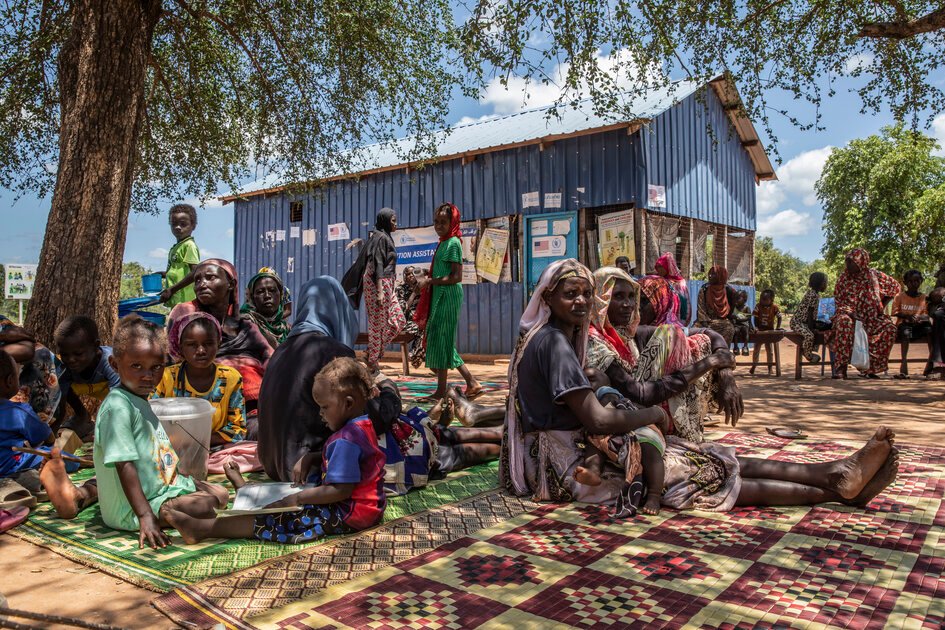
Hunger is set to worsen across 16 hotspots between December 2026 and May 2027, the United Nations' food agencies warned on Friday — the list has grown from 13 in June, famine is a risk in parts of Sudan and South Sudan, and Sudan, South Sudan, Somalia, northern Nigeria and Yemen are named the five hotspots of highest concern.
Why it matters: these are not forecasts about harvests in the abstract — they are warnings that millions of families who already eat once a day will eat less, in places where war, not weather alone, is doing most of the damage. When aid funding falls at the same moment, the distance between a warning and a famine is measured in months.
The report's own findings set out the drivers plainly: armed conflict and violence drive acute food insecurity in 12 of the 16 hotspots, including all five of highest concern, and in four of those five, people are already facing Catastrophe — the most severe classification, marked by starvation and death. In Sudan, under a reasonable worst-case scenario, there is a risk of famine in 13 areas of North Darfur and South Kordofan through January 2027, and in two camps for displaced people in South Darfur, acute malnutrition has already exceeded famine thresholds.
El Niño is the second engine of the warning. It has pushed Southern Africa and the Central American Dry Corridor onto the list: in the Dry Corridor, the 2026 first crop season was the driest in four decades, with crop losses above 75 percent in many areas, and in Guatemala alone 3.2 million people are projected to face high levels of acute food insecurity between October 2026 and February 2027. Chad was added because of spillover from Sudan's war, and northeastern Uganda over El Niño; Lebanon was removed. The agencies' joint El Niño plan aims to protect 9 million people in 22 countries.
The money is moving the wrong way at the same time: humanitarian funding for food security and nutrition in the five highest-risk hotspots fell by about 62 percent, from $5.1 billion in 2022 to $2 billion in 2025, even as needs rose.
What happens next is decided before the hunger peaks, not after — the agencies are urging governments and partners to fund early action now, while moving food and protecting a harvest is cheaper, and possible, in the places named.