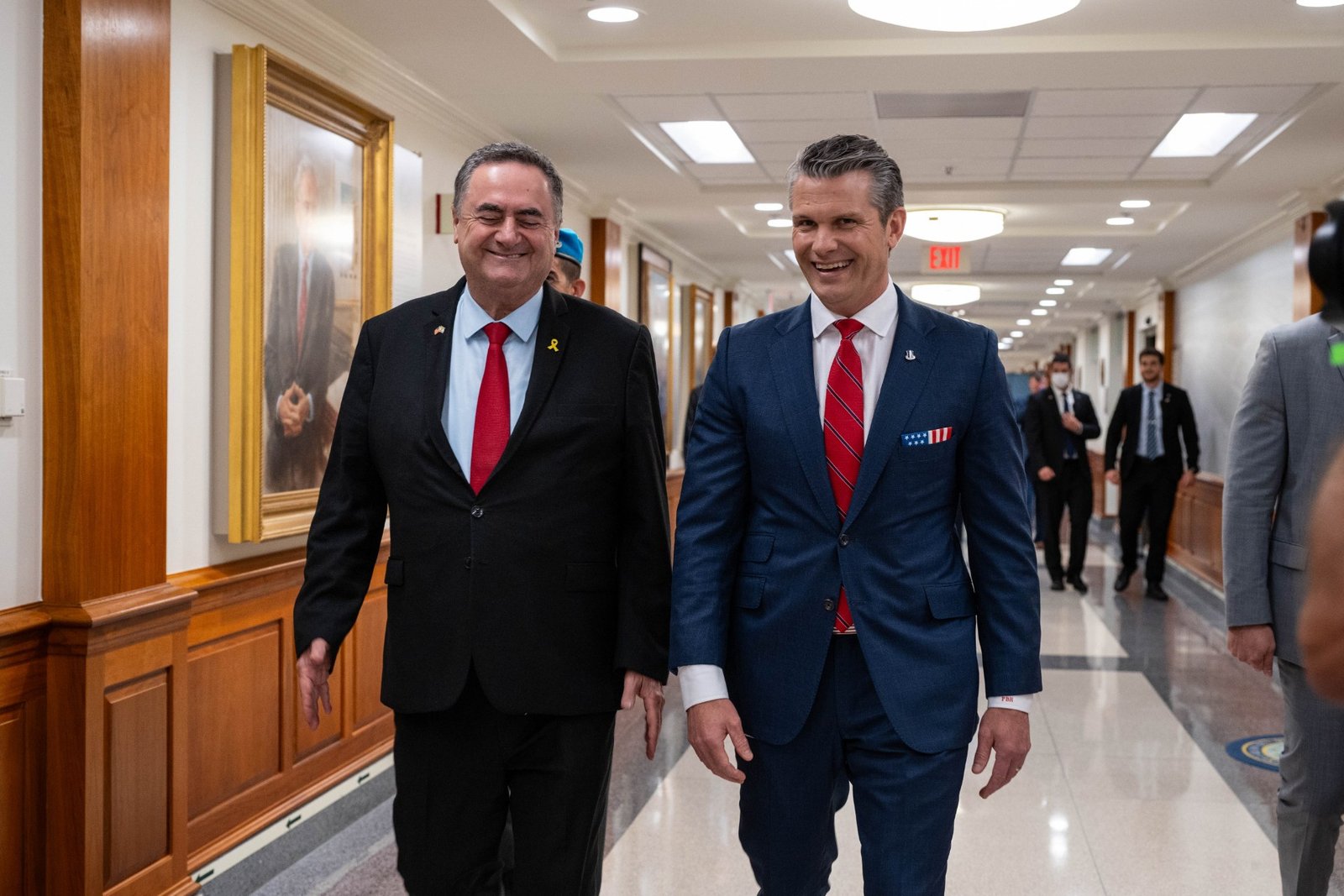
First posted on Instagram · @profilopolitics
Israel's Defence Minister Israel Katz told reporters in Tel Aviv on Tuesday that Iran is developing chemical weapons, and that Israel will not let Tehran reach the ability to attack with them. Katz said Iran cannot yet attack with them, but Israel must act before the programme reaches an irreversible point, raising a preventive strike if Israel judges Tehran intends to attack.
Why it matters: a chemical-weapons claim is the kind that preceded the Iraq war — and this one sits on President Trump's desk, with joint strike plans prepared and the decision his to make.
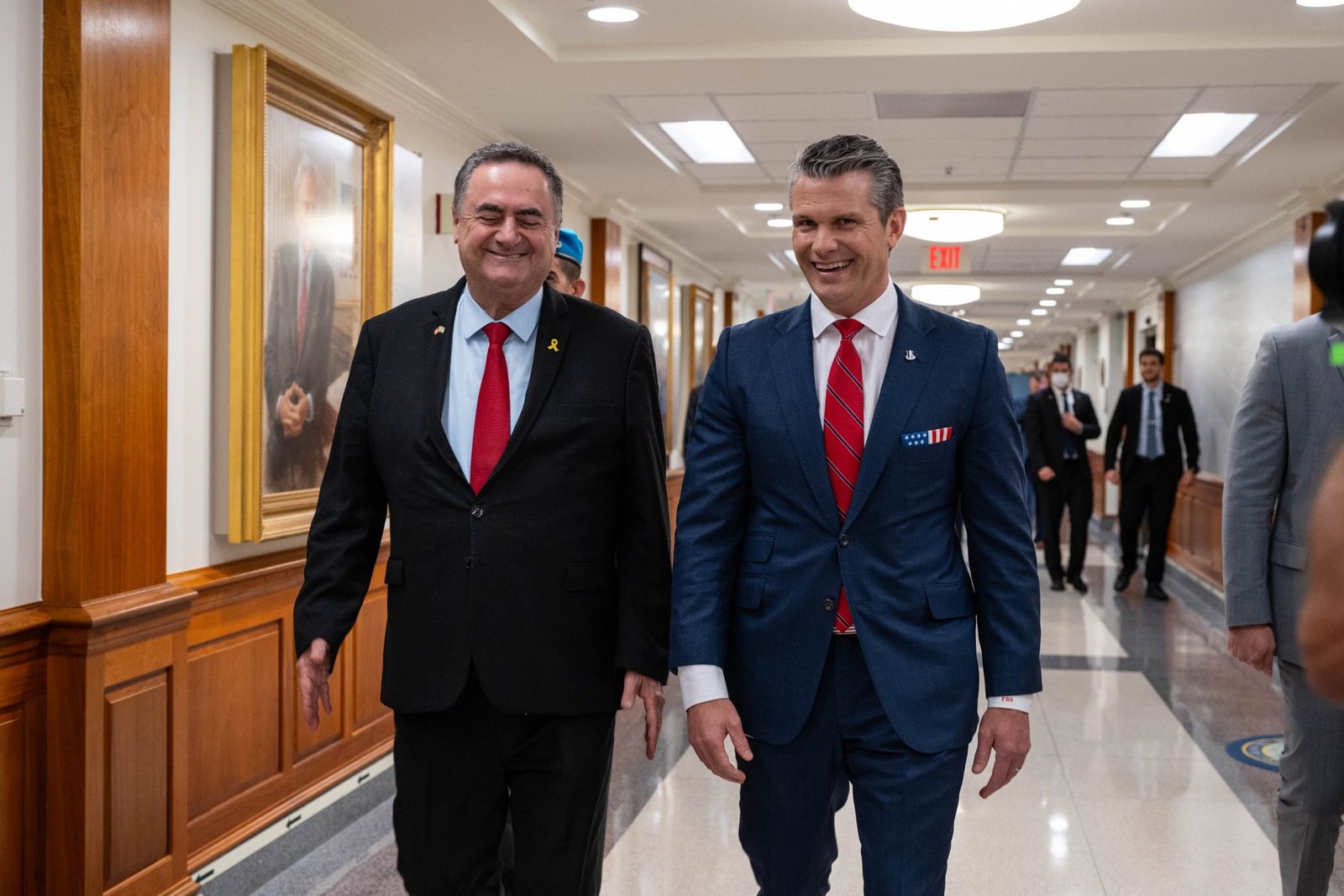
Katz's words: “The State of Israel will not allow them to reach that capability.” He called the capability a “game-changer.” The intelligence was shared with Washington, and with Gulf countries earlier in November: Tehran began, he said, after the 28 February joint US-Israeli offensive, to restore deterrence after damage to its nuclear programme. He would not reveal its stage or locations; no documents support it publicly.
Iran answered at once. Foreign Minister Abbas Araghchi wrote on X on Wednesday that Katz is a “warmonger” brazenly accusing Iran of hiding such weapons in pharmaceutical factories: “The objective is audacious: to deceive the U.S. into fighting yet another war on its behalf.” “With Israel, every accusation is a confession,” he added. Iran is an NPT signatory and OPCW member, itself a chemical-attack victim of the Iran-Iraq war. Earlier he called it “Iraq War-style propaganda”: “RUBBISH. Nobody believes it.”
The planning is joint: the IDF and US Central Command are preparing plans, and IDF Chief of Staff Lt. Gen. Eyal Zamir met CENTCOM Commander Adm. Brad Cooper in Tel Aviv to synchronise scenarios. “The plans are ready. Trump will decide,” Katz said.
Washington is not settled either. CNN reported on 16 November, citing seven US officials, US intelligence detected Iranian contingency planning for possible attacks on Trump administration figures, with a radiological “dirty bomb” or chemical agent among options described as exploratory, not imminent; the White House said no credible threat to US territory was detected. A 3 November report said some US officials questioned that intelligence's credibility; several Gulf officials found it unconvincing.
It rests with Trump, who has warned he could order a new military operation if no deal is reached before the end of the year.