First posted on Instagram · @profilopolitics
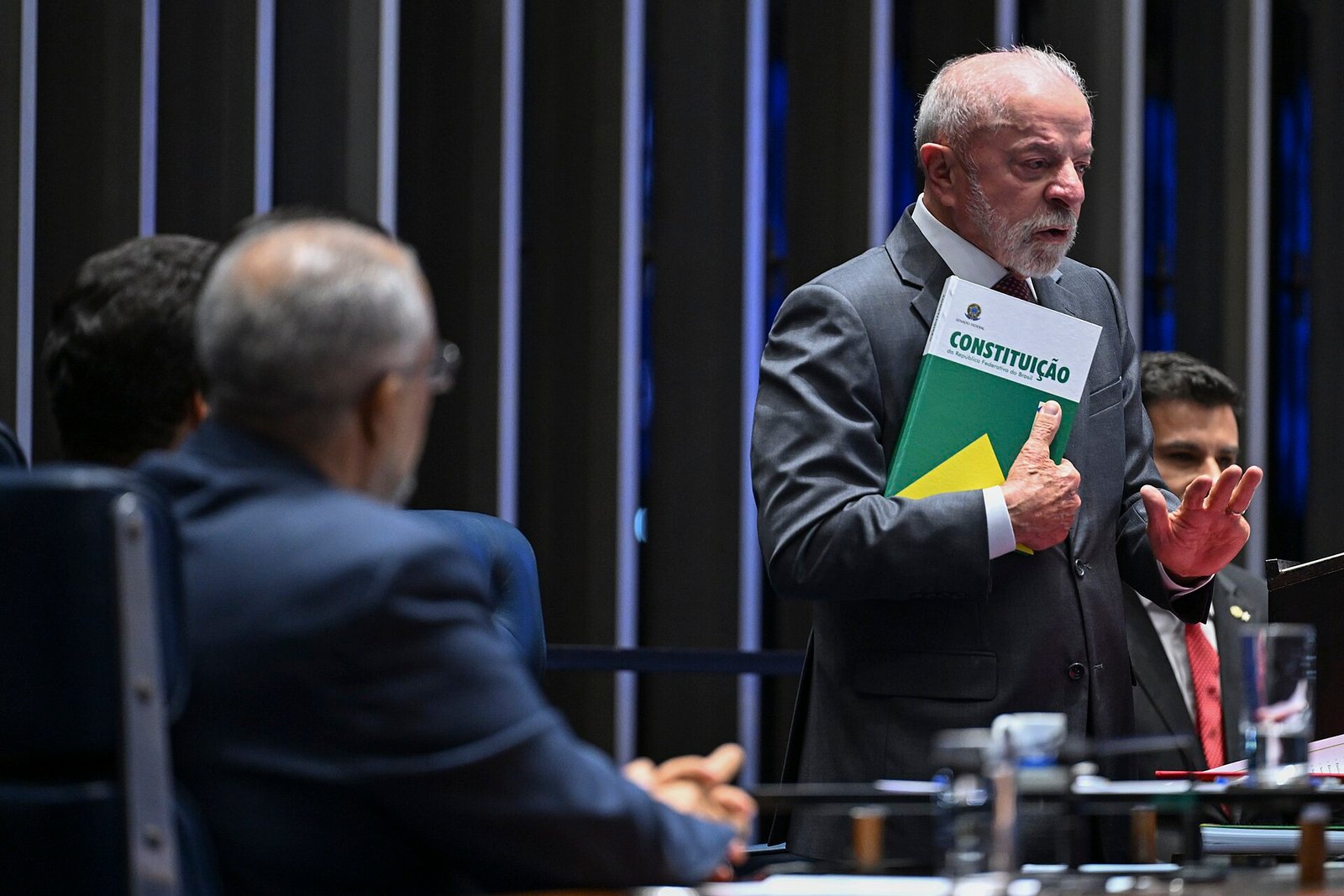
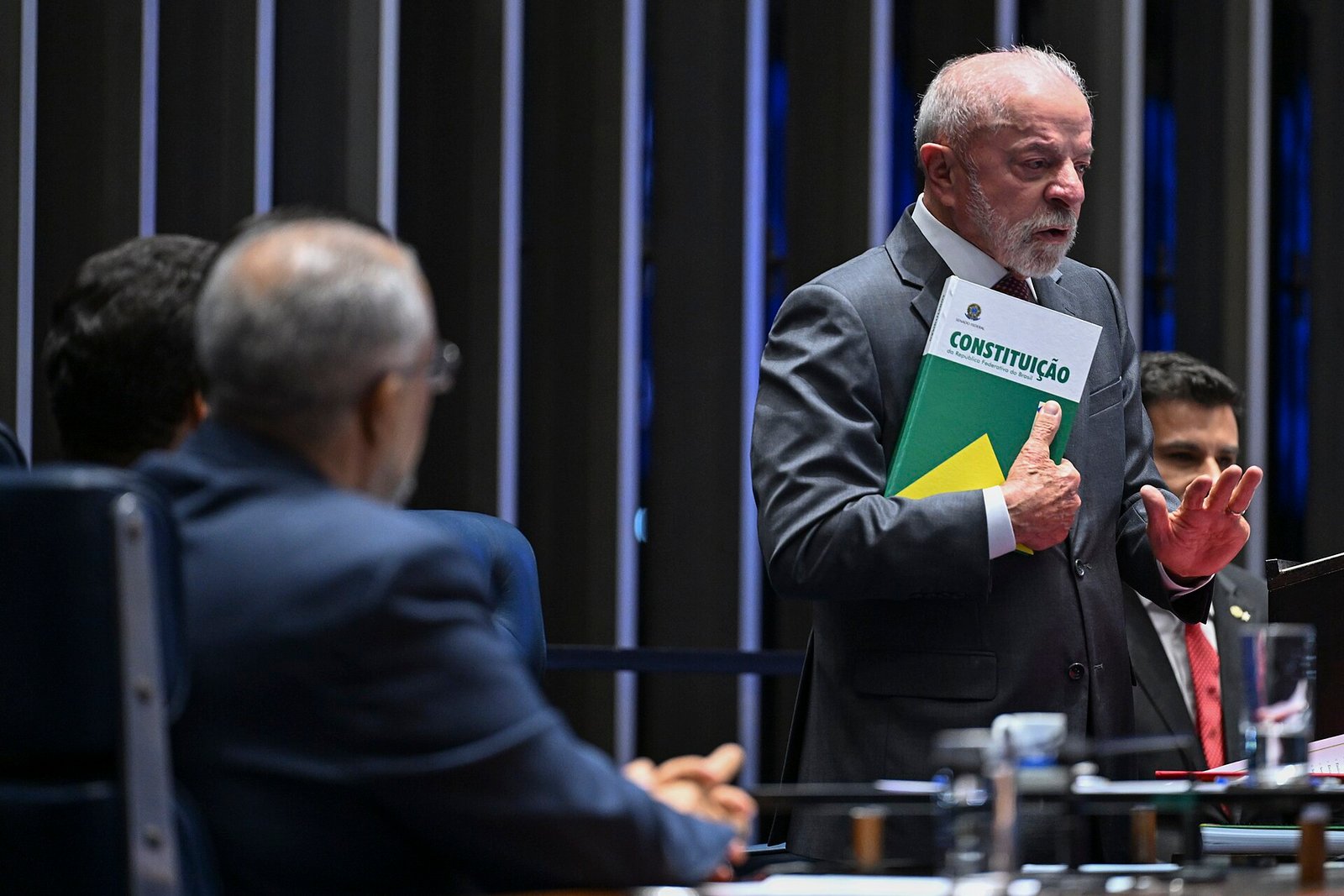
Brazil's President Luiz Inácio Lula da Silva wants 50 million Brazilians with a university degree in the workforce — nearly double today's 26 million, and ten times the roughly 5 million there were when he first became president in 2003 — a target he has set as the measure of whether Brazil can stand as an economic equal of the United States and China.
Why it matters: for ordinary Brazilians, a degree is still the surest ladder out of low-paid work, and the numbers show how far the country has climbed and how far it has to go. When Lula first took office, only about 5 million working Brazilians held a degree; today the figure is 26 million, and this week his education minister pointed to the same rise — from around 5 million at the start of the century to 26 million now — as he announced record university enrolment of 10.6 million undergraduates in 2025.
The growth has changed who goes to university at all. The latest higher-education census recorded Black, Brown and Indigenous students holding more than half — 50.1 percent — of federal university places for the first time.
The underlying numbers have been checked against Brazil's national statistics institute before: degree-holders in work at roughly 25.5 million in 2025, against about 5 million in 2003, was rated true. The 50 million figure is Lula's stated goal for the years ahead — the centrepiece of the education record he is running on.
Supporters call it an investment in skilled workers and national development — the workforce a country needs to compete with the United States and China rather than sell them raw materials. Critics answer that a target is not a result: Brazil must also create enough quality jobs to absorb millions more graduates, or the degrees will outrun the economy that is supposed to reward them.
What happens next is the hard part — turning an ambitious number into lecture halls, teachers and, above all, jobs. The climb from 5 million to 26 million took more than twenty years; doubling it again is the work Lula says will define whether Brazil becomes a global leader.