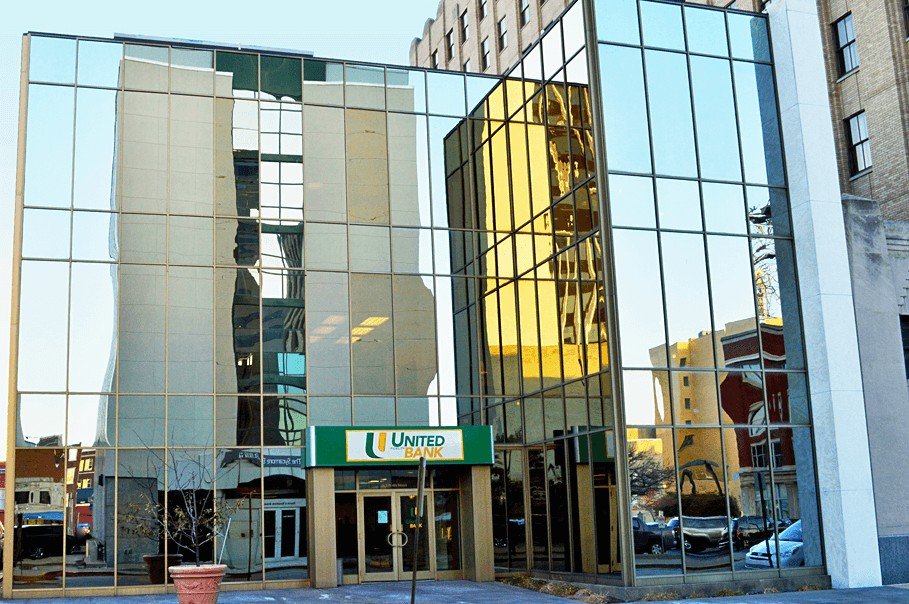
Federal regulators closed Evansville, Indiana’s United Fidelity Bank on Friday and handed it to First Citizens of Raleigh, North Carolina, in the biggest American bank failure since 2024. The OCC shut it, the FDIC took receivership, and First Citizens takes substantially all its deposits and assets. It held $5.9 billion in assets and $5.4 billion in deposits — the seventh U.S. failure of 2026 and the largest since Philadelphia’s Republic First closed in April 2024.
Why it matters: for its customers, almost nothing changes — every depositor keeps every dollar, and checks, cards and direct deposits run as usual. The bill lands on the Deposit Insurance Fund: an estimated $1.83 billion, 31 cents of every asset dollar — an unusually deep hole. And it did not open overnight: regulators had formally warned this bank for three years.
The OCC said it acted after finding the bank “in an unsafe or unsound condition to transact business” and “likely to be unable to pay its obligations or meet its depositors’ demands.” Its consent order of October 31, 2023 listed unsafe practices in board oversight, capital planning, credit review and internal controls, and named its concentration in multifamily housing loans.
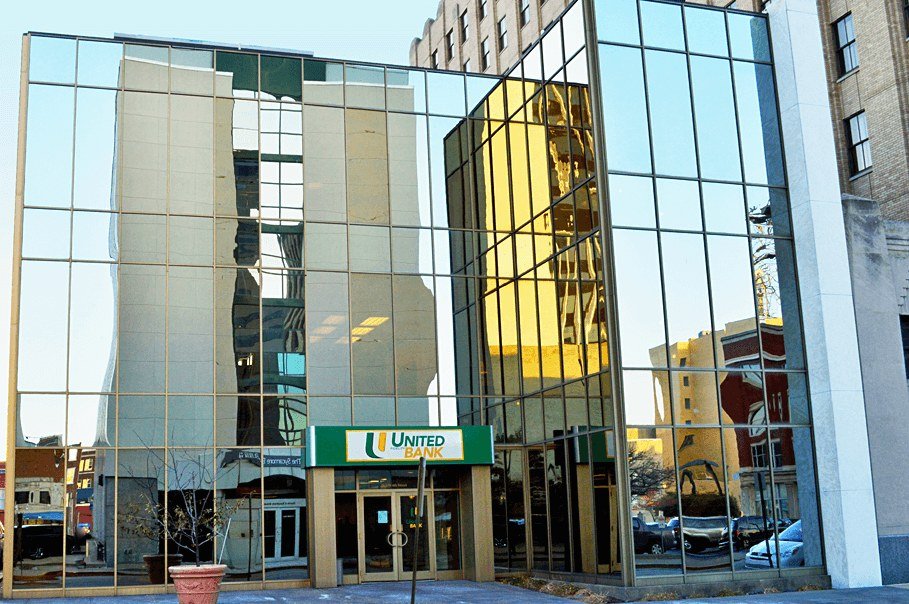
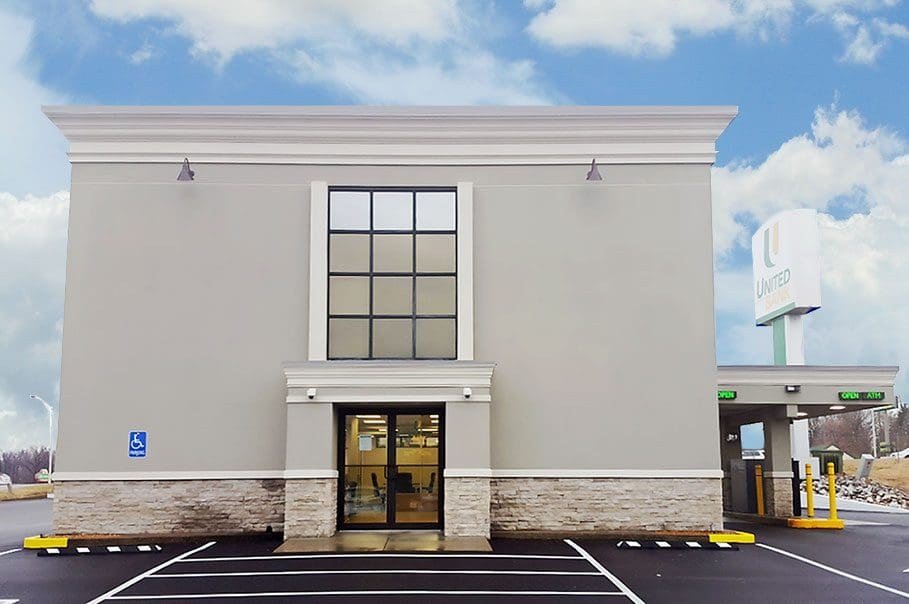
The filings show how fast the end came. Nonperforming apartment loans stood at $120,000 on June 30; by September 30 they were $2.14 billion, and bad loans in total reached $2.16 billion — 70.6% of the loan book. Its equity cushion fell from $652.5 million to $389.7 million in that one quarter, after a $249.6 million nine-month loss. First Citizens takes the deposits and loans at a $2.6 billion discount on the assets.
The contrast is the scale. Two banks failed in 2024, two in 2025; this year’s six others held $1.43 billion combined — United Fidelity alone is four times that. First Citizens ran this same clean-up on Silicon Valley Bank in 2023. Indiana Senator Jim Banks (Senate Banking Committee) said he is working with the FDIC and the OCC “to limit impact on depositors and ensure a smooth transition.”
The 22 branches — in Indiana, Illinois, Florida and Colorado, plus two U.S. Virgin Islands branches trading as Bank of St. Croix — reopen as First Citizens branches: Saturday-hours locations already open, the rest Monday, when Banks gets his full briefing. A loss this size also brings an inspector general’s review of the consent-order years.