The Supreme Court agreed on Tuesday to hear the Trump administration's bid to deny asylum to a Nigerian man who cooked meals for the leaders of an armed separatist group, in a case that will set the reach of the immigration law's bar on "material support" for terrorism. The case, Blanche v. Ozurumba, will be argued later this term, with a ruling expected by the end of June.
According to court papers, Izuchukwu Ozurumba followed a job tip in 2022 and took a van to a remote camp outside Lagos, where he was hired as a cook — three meals a day for 15 to 17 leaders of the Unknown Gunmen, a separatist group that U.S. officials consider a terrorist organization. He testified that he did not know the camp's true purpose when he started, and that when the young men's movements from the camp lined up with news reports of murder and arson, he tried to leave. Instead, he says, he was forced to stay — three of his six months there without pay, under threats. He escaped on a grocery run, fled to Venezuela, entered the United States illegally in July 2023 and surrendered to Border Patrol to seek asylum.
An immigration judge denied him relief, finding that the cooking was material support for terrorism, and the Board of Immigration Appeals agreed, holding that the Immigration and Nationality Act contains no exception for acts performed under duress. Ozurumba was removed to Nigeria in April 2025. But a divided panel of the Fourth Circuit vacated the removal order: Judge Andrew Wynn Jr. wrote that material support must be something that can be directly used to plan or carry out terrorist activities, or readily diverted to such use — and the majority concluded that Ozurumba appeared to be "simply a captive laborer" whose work had nothing to do with terrorist activity.
"Providing meals to a terrorist organization's members is no less a material form of support than providing gasoline for its vehicles." — Justice Department filing
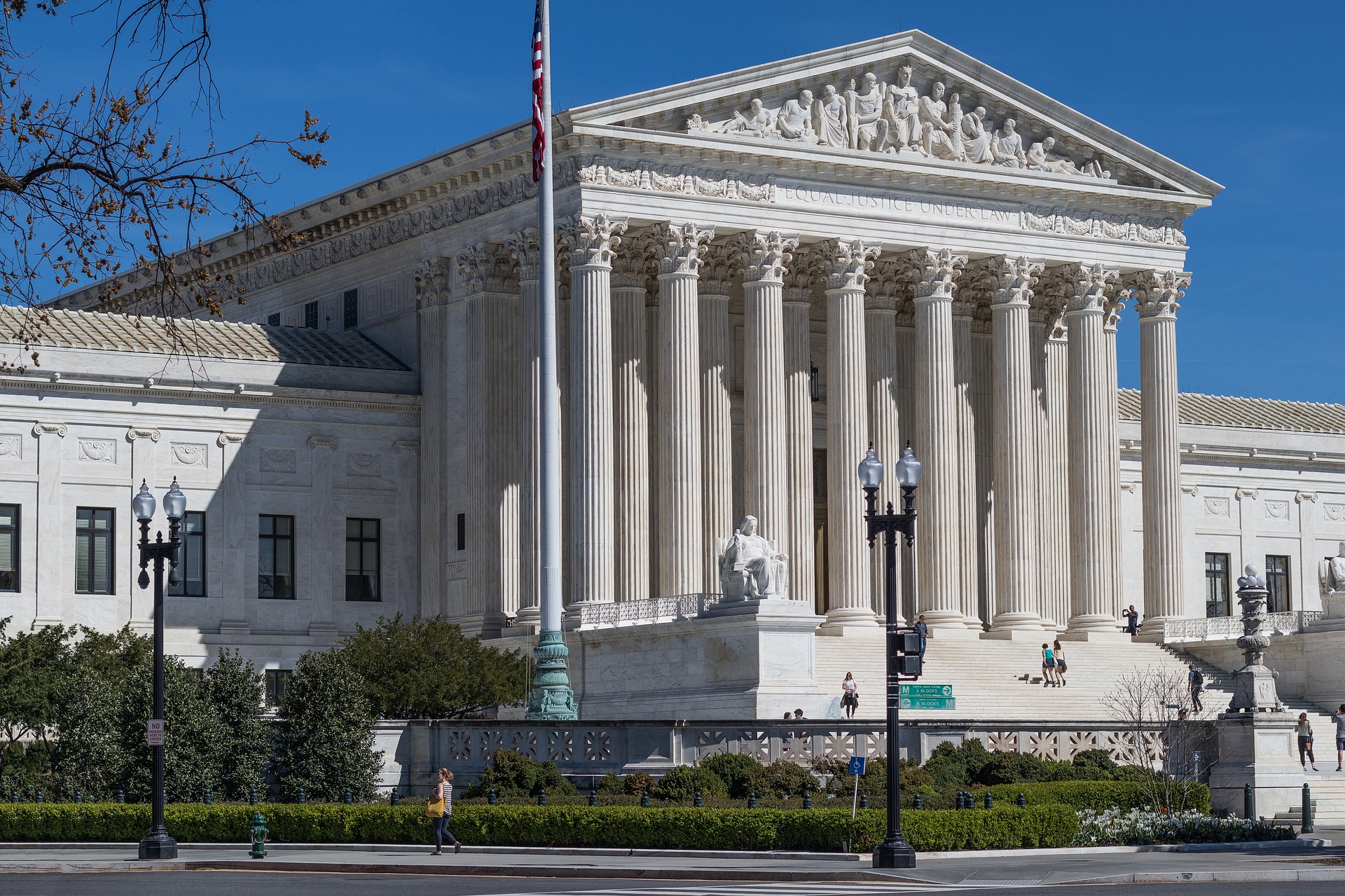
The administration says the Fourth Circuit's test conflicts with rulings from at least three other circuits and would sharply raise the government's burden in excluding people with links to terrorism; its lawyers argue that even minimal help frees up a terrorist group's resources for its goals. Ozurumba's lawyers counter that the government's reading would strip the word "material" of meaning — no court, they say, has held that any interaction with a terrorist organization, however small or compelled, counts as material support. By June, the justices will draw that line for every asylum case in the country.
Never miss a story. Join our Telegram channel and get every article link the second it's published.
Join Telegram Channel