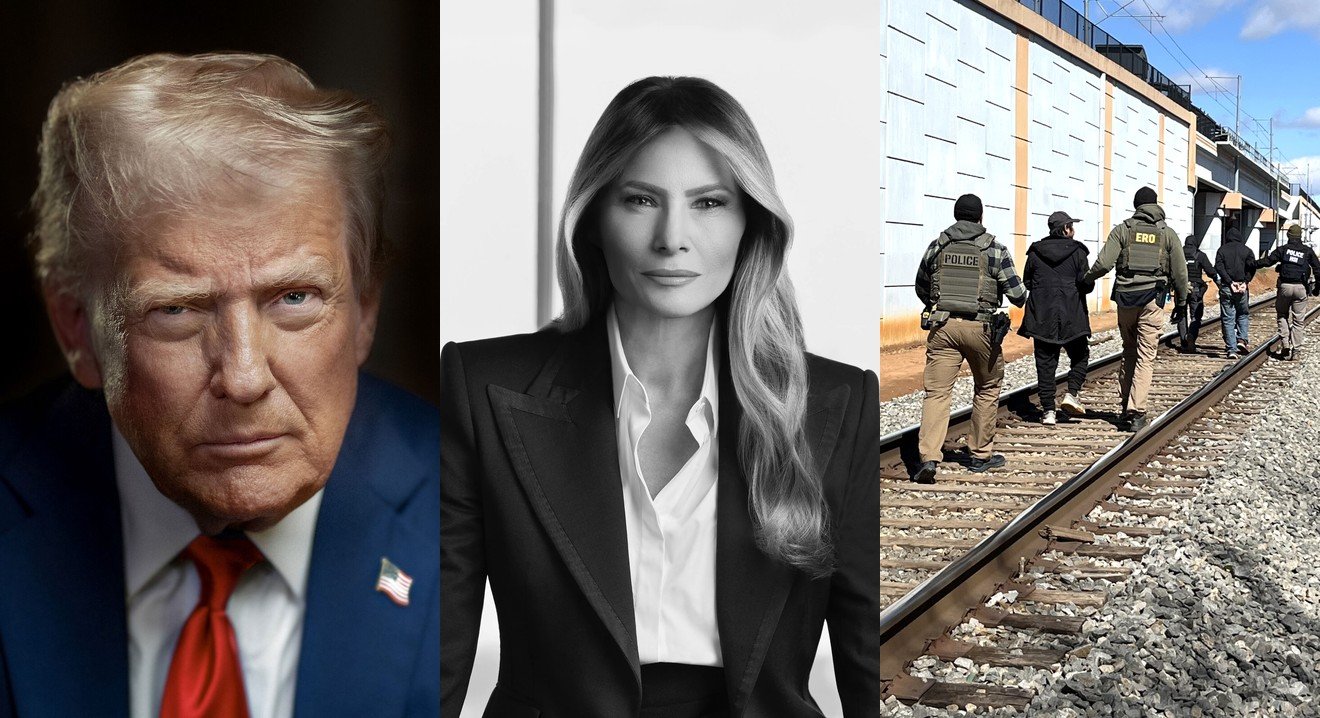
Approvals for America's "Einstein visa" — the EB-1A route reserved for people of extraordinary ability, the same route Melania Trump used in 2001 — have fallen to just 32 percent of petitions by mid-2026 under President Trump's second term, down from 75 percent at the end of Joe Biden's presidency, federal figures reported by the Washington Post show. About 5,200 people won approval in the fiscal year's first nine months, down from almost 8,900 two years earlier, and the analytics firm Lawfully projects the success rate at around 27 percent for the year's final quarter.
Why it matters is who this door is for. The EB-1A is the legal front door for the world's top talent — Olympic medalists, Oscar winners, leading researchers and company founders — the route Trump says should bring the best and the brightest in legally. The figures show that door narrowing sharply even for them: who qualifies as "extraordinary" decides which scientists, artists and builders bring their work to America, and which take it elsewhere.
Immigration lawyers say the test is now applied far more strictly than the written criteria suggest. "It's a huge, huge drop," said Kate Angustia of the American Immigration Lawyers Association. "It's strange because the Trump administration has repeatedly said they want the best and the brightest." Memphis lawyer James Hollis told of a technology entrepreneur — more than $60 million raised, businesses sold, 20 news stories — who was rejected: "They're killing AI entrepreneurs. They're absolutely annihilating them." Lawyers say officials increasingly impose their own judgment even when an applicant meets the qualifying tests, and some practices have stopped taking EB-1A cases.
The Post could not establish that the administration had instructed adjudicators to get tougher with EB-1A applicants, and weaker petitions and a depleted immigration workforce could also be contributing to the rejections. Trump's stated policy: the crackdown targets illegal immigration; legal immigration should run on merit, through the front door. The White House, the Department of Homeland Security and U.S. Citizenship and Immigration Services were all asked for comment.
Melania Trump's own path ran through this door. A model at the time, she secured an EB-1 visa in 2001 — her résumé included a 2000 Sports Illustrated swimsuit appearance — putting her on course for citizenship, and later residency for her parents. Under today's figures, lawyers say, an applicant with her 2001 file would face far longer odds.
Unless the reading of "extraordinary ability" loosens, the strictest application of the test stands — and the law firms that built practices on bringing the world's best to America are already walking away from the category.