First posted on Instagram · @profilopolitics
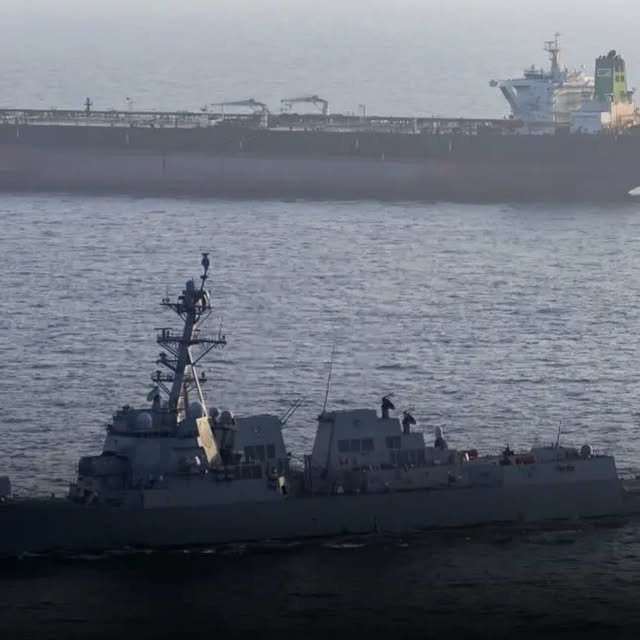
American forces struck and disabled the Palau-flagged bulk carrier M/V Pacific Archer in the Gulf of Oman on November 26, after the ship left the Iranian port of Bandar Abbas and tried to run the U.S. naval blockade of Iran despite repeated warnings — a military aircraft fired precision munitions into the ship's stern, its propulsion was disabled, and the civilian crew was unharmed.
Why it matters: the blockade is America's pressure tool against Iran's oil income, and every ship that runs it tests whether that pressure is real. For ordinary shipping crews, the Gulf of Oman has become a place where ignoring a warning can end with a disabled ship; for everyone else, it is one more choke point where a wider war would hit fuel and goods prices first.
U.S. Central Command's own statement is plain about what happened: the vessel "attempted to run the U.S. naval blockade, despite multiple warnings, following departure from an Iranian port," and "a U.S. military aircraft launched precision munitions that struck the stern" — the ship's propulsion was disabled and no crew member was hurt. CENTCOM says U.S. forces have now redirected 158 compliant commercial vessels and disabled six that refused to comply, and it urges all mariners in the Gulf of Oman and the approaches to the Strait of Hormuz to heed blockade warnings.
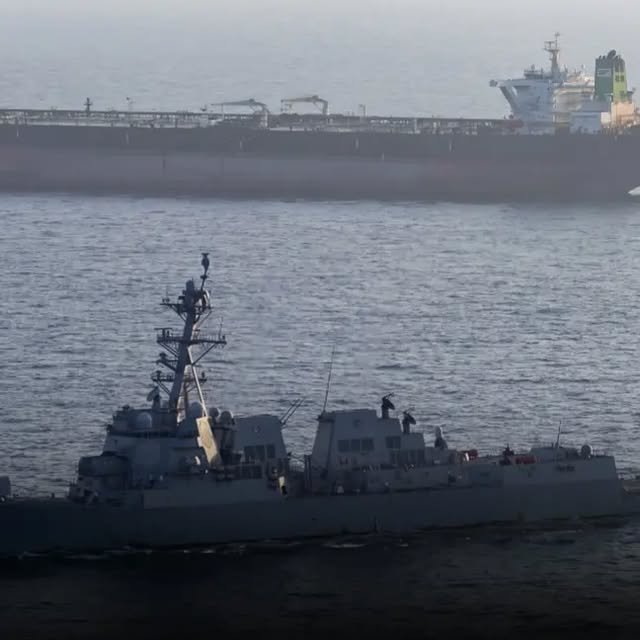
The Pacific Archer is the sixth vessel disabled since the blockade resumed in July, and at least the fifteenth disclosed since the blockade began in the spring — the previous one was stopped on November 7. The blockade was first imposed in April, lifted during talks with Tehran in the summer, then resumed.
Iran's answer came the same day: an adviser to the Supreme Leader said Tehran would keep the Strait of Hormuz shut and would not allow the blockade to remain in place. Washington presents the strikes as enforcement against individual ships that refuse orders; Tehran presents the whole blockade as an act it intends to break.
What happens next turns on whether ships keep testing the line. Six disabled vessels have not stopped the attempts, and each new strike raises the chance of a crew being killed — the one outcome that could turn a shipping dispute into a much bigger war.