The honest answer is Wednesday, November 18, at the earliest for a firm result — and the official word is not expected until the state certifies on Wednesday, November 25. Three days after Election Day, Alaska's U.S. Senate race between Democrat Mary Peltola and Republican Sen. Dan Sullivan is one of only two Senate races in the country still uncalled. The Associated Press lists it as too early to call, with Peltola holding 102,962 first-choice votes to Sullivan's 102,325 — a lead of just 637 votes, with only about 74 percent of the ballots counted.
The delay is built into how Alaska counts. The state reports only first choices on election night, and a candidate needs more than 50 percent to win outright. Peltola has 48.2 percent and Sullivan 47.9 percent, so neither has a majority, and the winner will be decided by ranked-choice tabulation: the lowest-placed candidates are eliminated, and their ballots move to each voter's next choice until someone holds a majority. The Alaska Division of Elections does not run that tabulation until every eligible ballot is in, and it has scheduled it for November 18.
Plenty of ballots are still travelling. Alaska accepts mailed ballots for 10 days after Election Day, and 15 days for voters overseas — domestic absentee ballots postmarked by Election Day can arrive through November 13, and overseas ballots through November 18. The Division of Elections plans to publish further count updates on Tuesday, November 10, and Friday, November 13, which will move the first-choice numbers before the tabulation begins. Remote communities, rural precincts and military ballots are a normal part of that long count, not a sign that anything has gone wrong.
"It won't be hours, it won't be days, it will be weeks. This is Alaska normal." — Mary Peltola, on election night
There is one way an answer could come sooner. The state says it will make its ballot data file available during the counting process, so the Associated Press could conduct its own ranked-choice tabulation and call the race before November 18 if the numbers become clear. The campaigns are already arguing over what that tabulation will show. The Alaska Beacon analysed an incomplete cast-vote record of 204,530 ballots and found that, once the two lower-placed candidates are eliminated, Sullivan would gain 2,728 transferred votes to Peltola's 1,868 — a net advantage of 860 for the incumbent. FairVote's preliminary tally on about 203,000 ballots likewise showed Sullivan ahead, 51 percent to 49 percent. Both exercises are unofficial and incomplete: roughly 11,000 ballots already in the first-choice tally were missing from the Beacon's file, including votes from 131 precincts without scanners, many of them in rural Alaska, so neither simulation settles anything.
Hovering over the count is the race's strangest feature: a second Sullivan. Daniel J. Sullivan Jr., a retired teacher from Petersburg running with no party affiliation, holds 3,600 first-choice votes — more than five times the gap between the two leaders — alongside Republican Gerald Heikes, on about 4,800. Those ballots do not flow to the senator because of the shared name; they transfer according to the rankings each voter actually marked. President Trump on Thursday called for the minor candidates' votes to be handed to Sullivan, a step Alaska law does not provide for, and the Justice Department's lawsuit seeking to block certification over the namesake candidacy was dismissed by a federal judge on November 1, though the department is appealing.
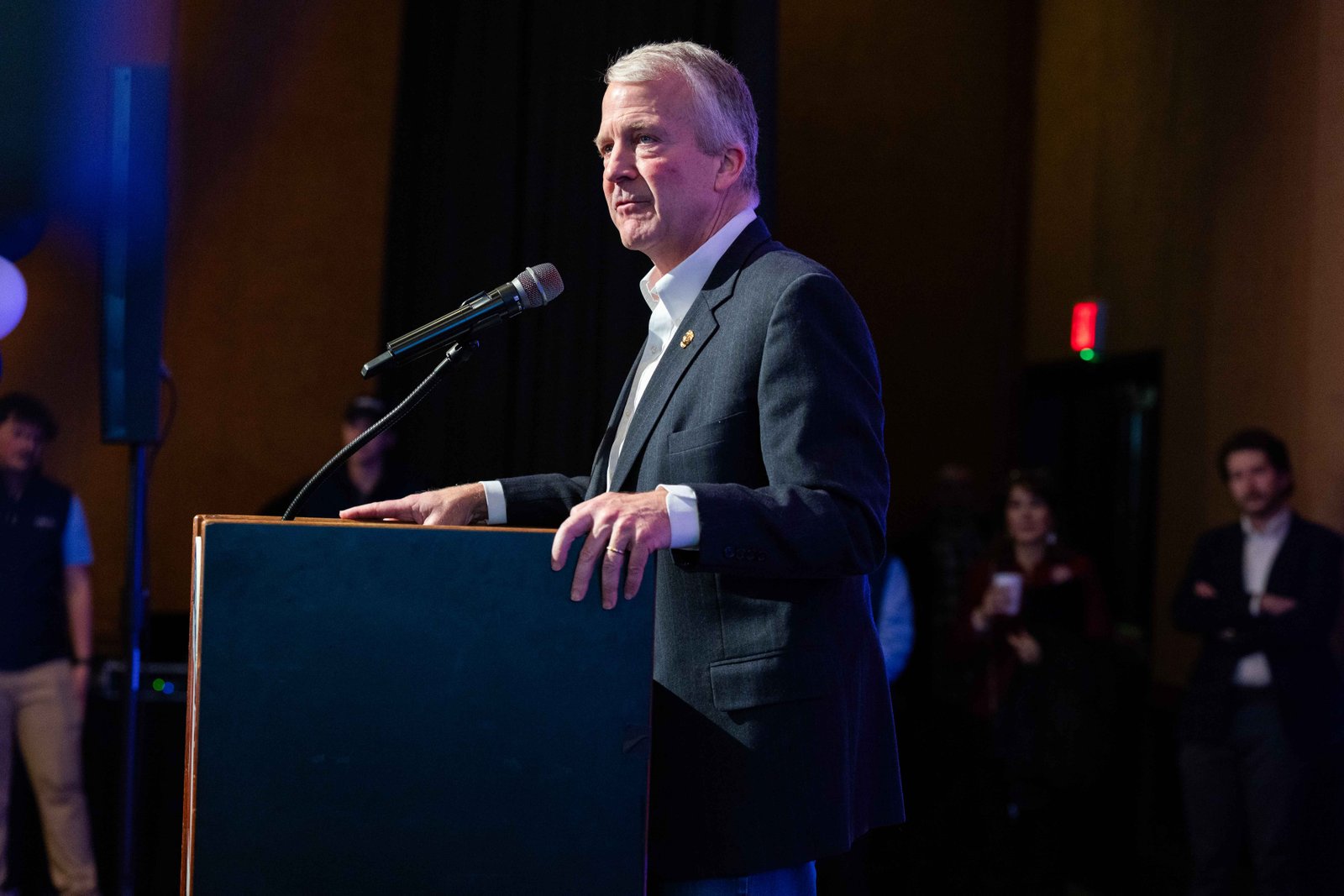
What is at stake is the size of the new Senate majority, not its existence. Democrats have already won control of both chambers of Congress, and Alaska and Mississippi are the last two seats to be filled in. A Peltola win would make her the first Alaska Native to serve in the U.S. Senate and the first Democrat to win a Senate race in Alaska since Mark Begich in 2008. Sullivan, a Marine veteran seeking a third term, told his supporters on election night, "I'm confident when all the votes are counted, I will have the honor of representing you in the United States Senate again for six more years." Until the count updates land and the November 18 tabulation runs, both claims remain just that — claims.
Peltola, who holds the narrow lead, set the timetable plainly for her supporters on election night: "The results are not going to be fast, but Alaskans are patient. We just want to make sure the folks from the Lower 48 know it won't be hours, it won't be days, it will be weeks."