First posted on Instagram · @profilopolitics
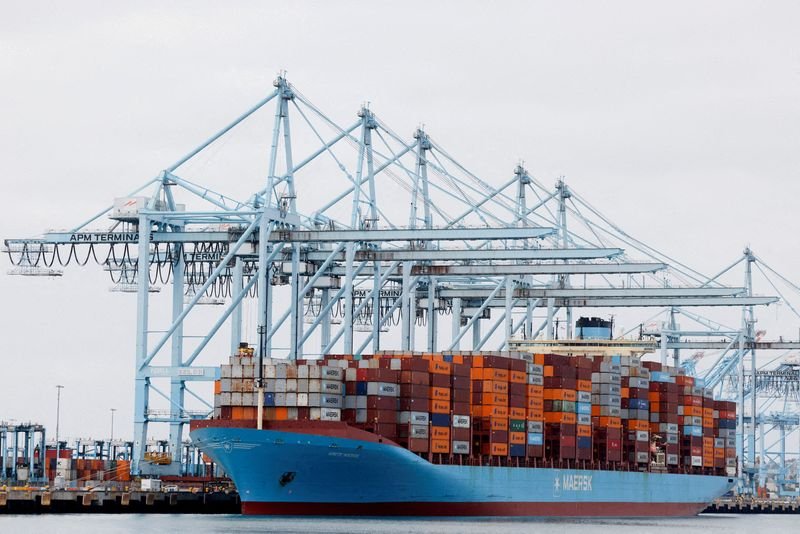
The U.S. goods trade deficit widened sharply in October, jumping 10.7 percent — $14.4 billion — to $149.5 billion, as America's AI building boom pulled imports up 6.1 percent to a record $365.3 billion, the highest level since the government started tracking the series in 1992, while exports rose $6.7 billion to $215.8 billion.
Why it matters: the deficit is now the scoreboard of two American stories at once. The imports flooding in are not mostly toys and clothes — they are the servers, chips and data-centre equipment of the AI buildout, bought because American technology companies are racing to build. Whether that reads as weakness or investment depends on what those machines produce once they are switched on.
The Commerce Department's Census Bureau figures, released Friday, came in far above the $133 billion shortfall economists expected, and they mark the highest goods deficit since March 2025. The same data follow a third quarter in which trade subtracted 3.21 percentage points from GDP growth — which still came in at 4.3 percent on strong consumer spending and AI-related equipment investment — and they put trade on course to subtract from growth again in the fourth quarter.
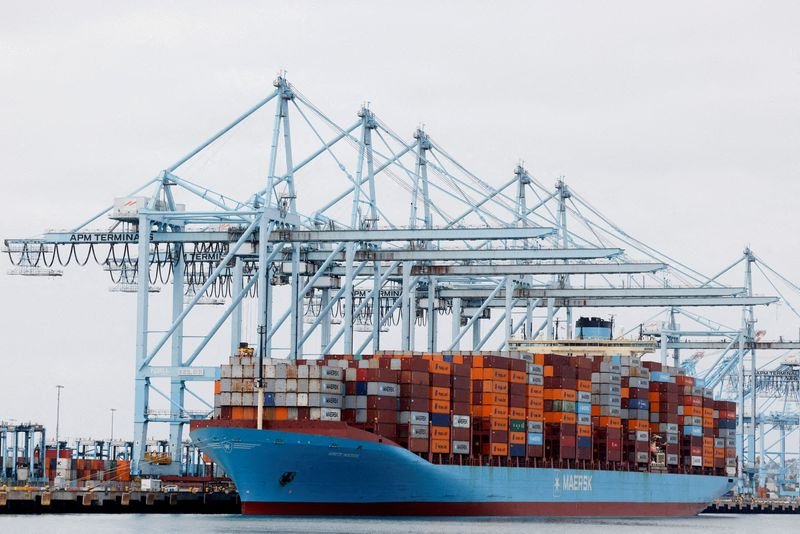
The figures raise the tariff question directly: President Trump's tariffs are meant to reduce America's reliance on foreign goods, yet the import bill set a record in the middle of them. Critics say the widening gap shows tariffs are not shrinking the deficit; the counter-argument is in the composition — a surge driven by capital equipment for data centres is investment arriving in boxes, and importing advanced equipment today can raise America's productivity and competitiveness tomorrow.
Both readings agree on one fact: the demand is real, it is American, and much of what it needs is still manufactured overseas — which is exactly the dependence the tariff policy was written to end.
What happens next shows up in the fourth-quarter growth figures. If AI imports keep arriving at this pace, trade will drag on the headline number even while the spending underneath it builds the infrastructure the administration is counting on.