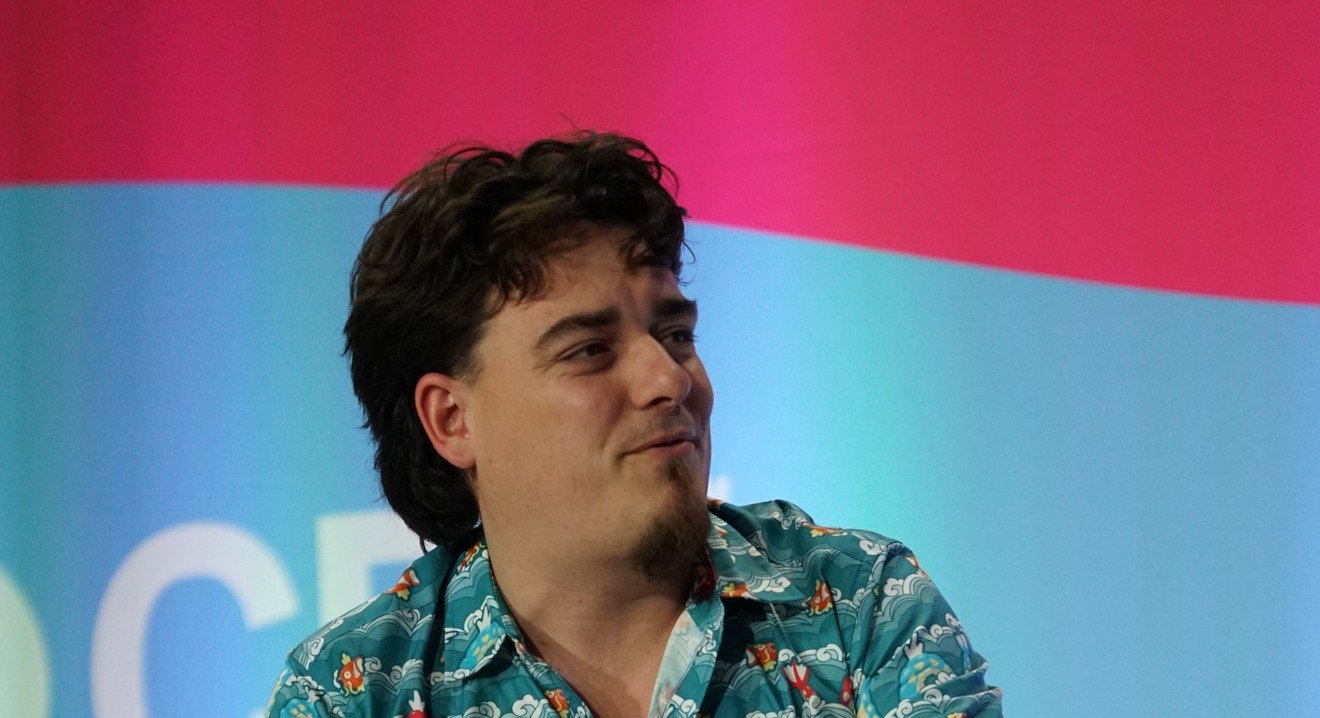
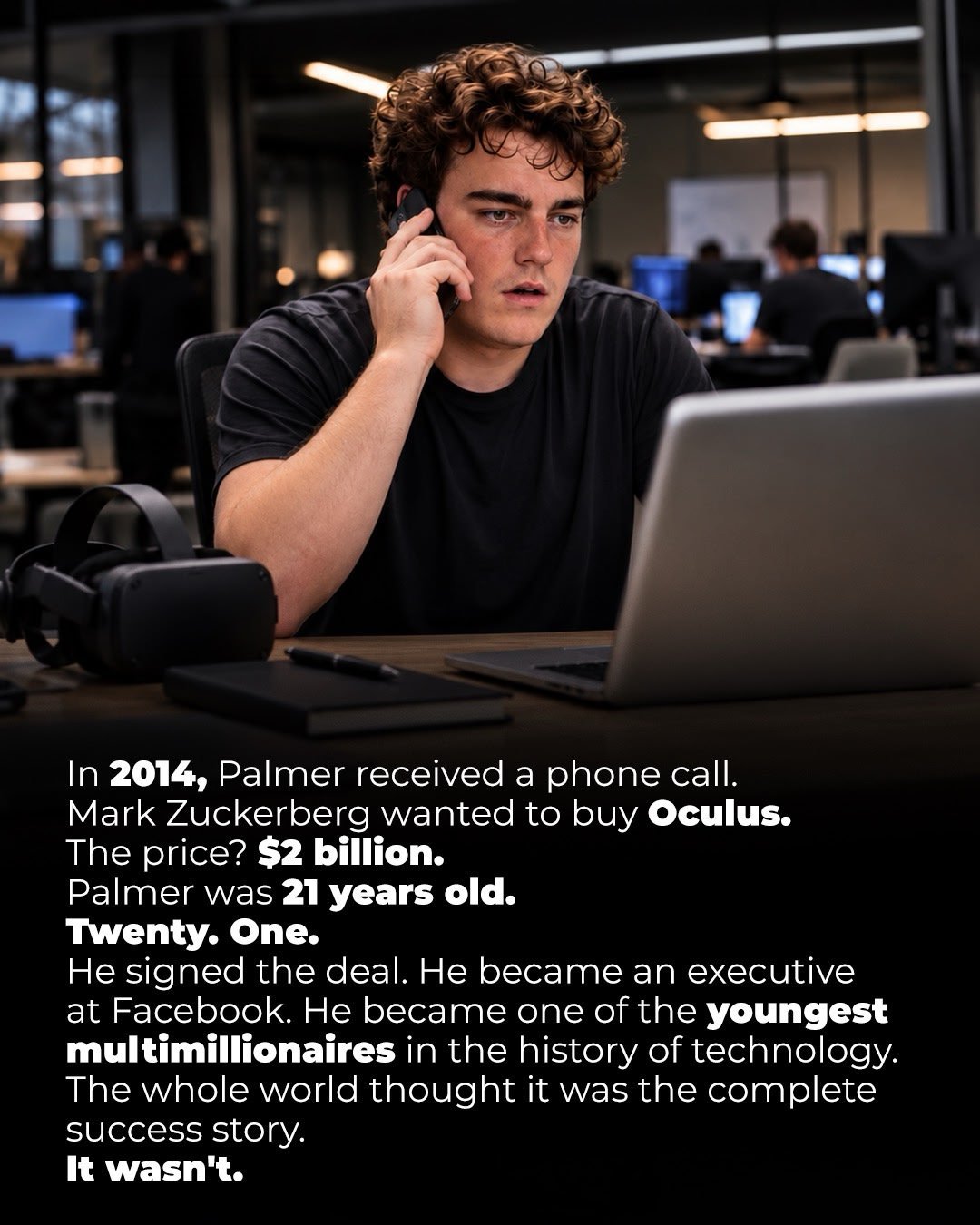
The man Silicon Valley pushed out for his politics now helps write the Pentagon's future. Palmer Luckey built the Oculus headset, sold the company to Facebook for $2 billion at 21, and was fired in 2017 after his $10,000 donation to a pro-Trump group came out and he refused to disown it. In September, Defence Secretary Pete Hegseth named him co-leader of Project Meridian — the Pentagon panel charged with imagining the future of warfare — while his defence company Anduril holds about $25 billion in Pentagon contracts, according to the watchdog groups now suing over his seat.
Why it matters is what the panel decides. Project Meridian has 120 days to say what weapons America will need, and its findings, due January 28, 2027, will point the military's buying for decades — toward drones, AI and autonomous systems, the very things Anduril sells. Whether a weapons maker should sit on the panel writing the shopping list is now a question for a court.
Luckey has never apologised for any of it. Taking over the Army's soldier-headset program from Microsoft, he wrote: "Everything I've done in my career — building Oculus out of a camper trailer, shipping VR to millions of consumers, getting run out of Silicon Valley by backstabbing snakes, betting that Anduril could tear people out of the bigtech megacorp matrix and put them to work on our nation's most important problems — has led to this moment." Of the headset program itself he said: "This project is my top priority at Anduril. It's one of the Army's most critical programs."
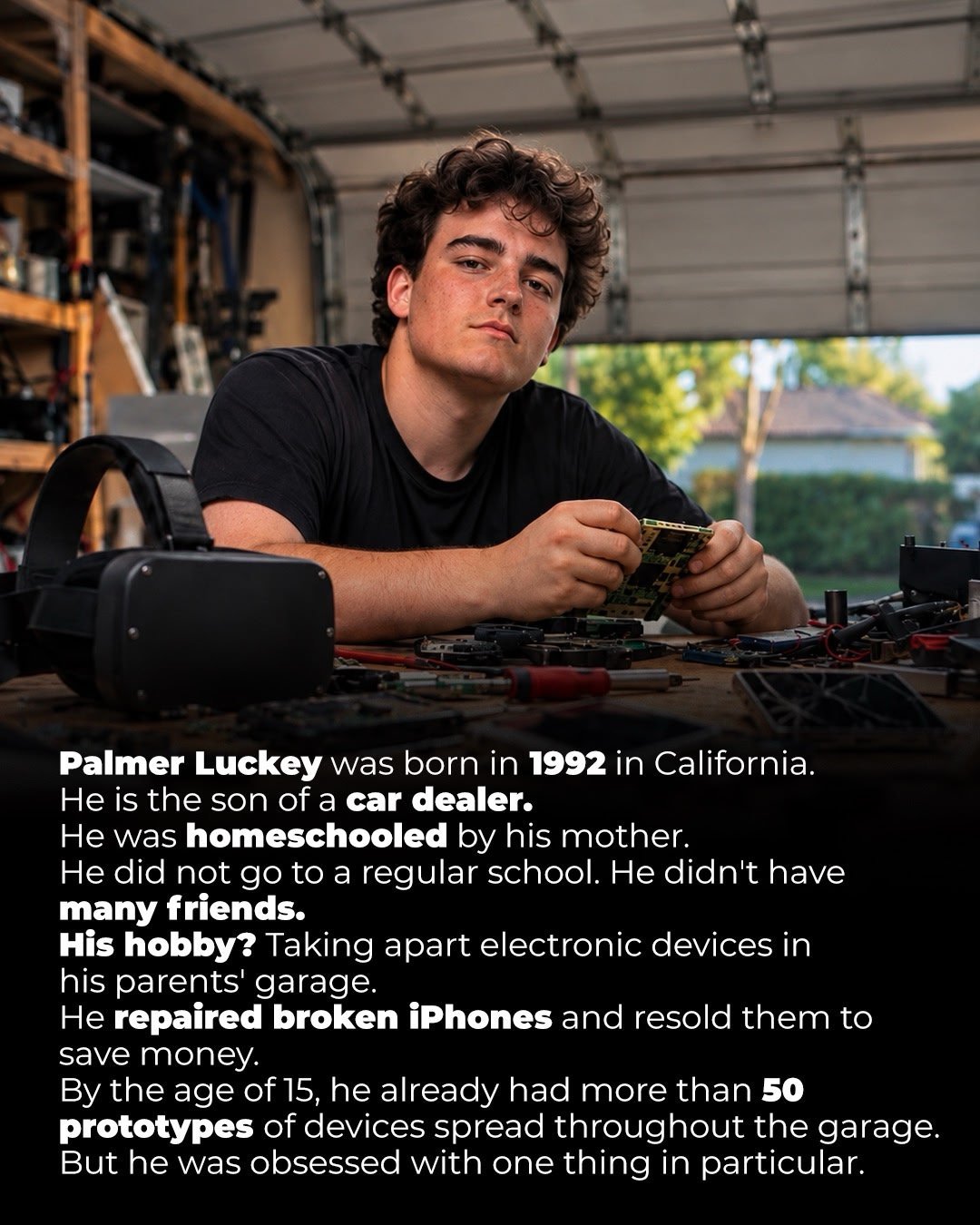
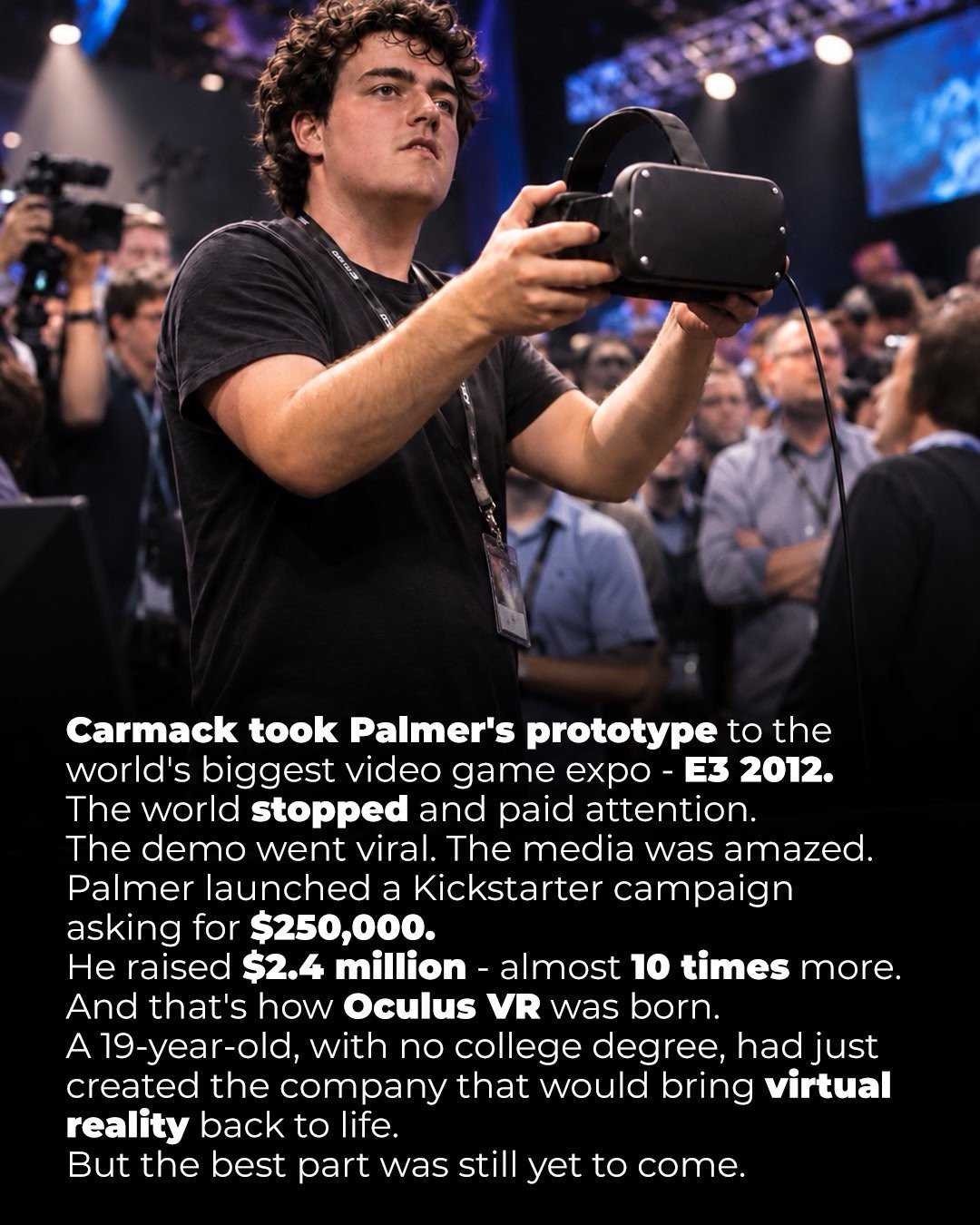
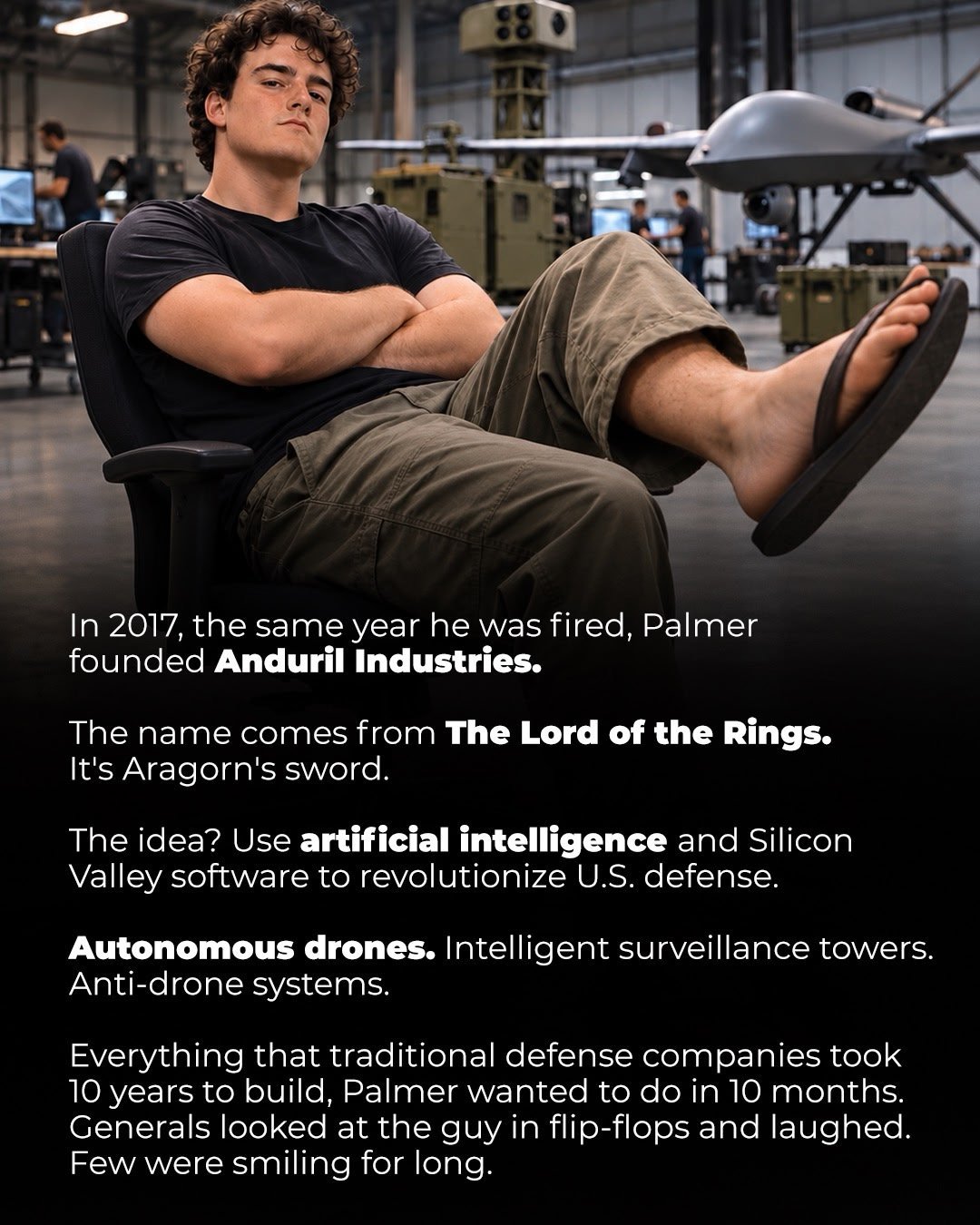
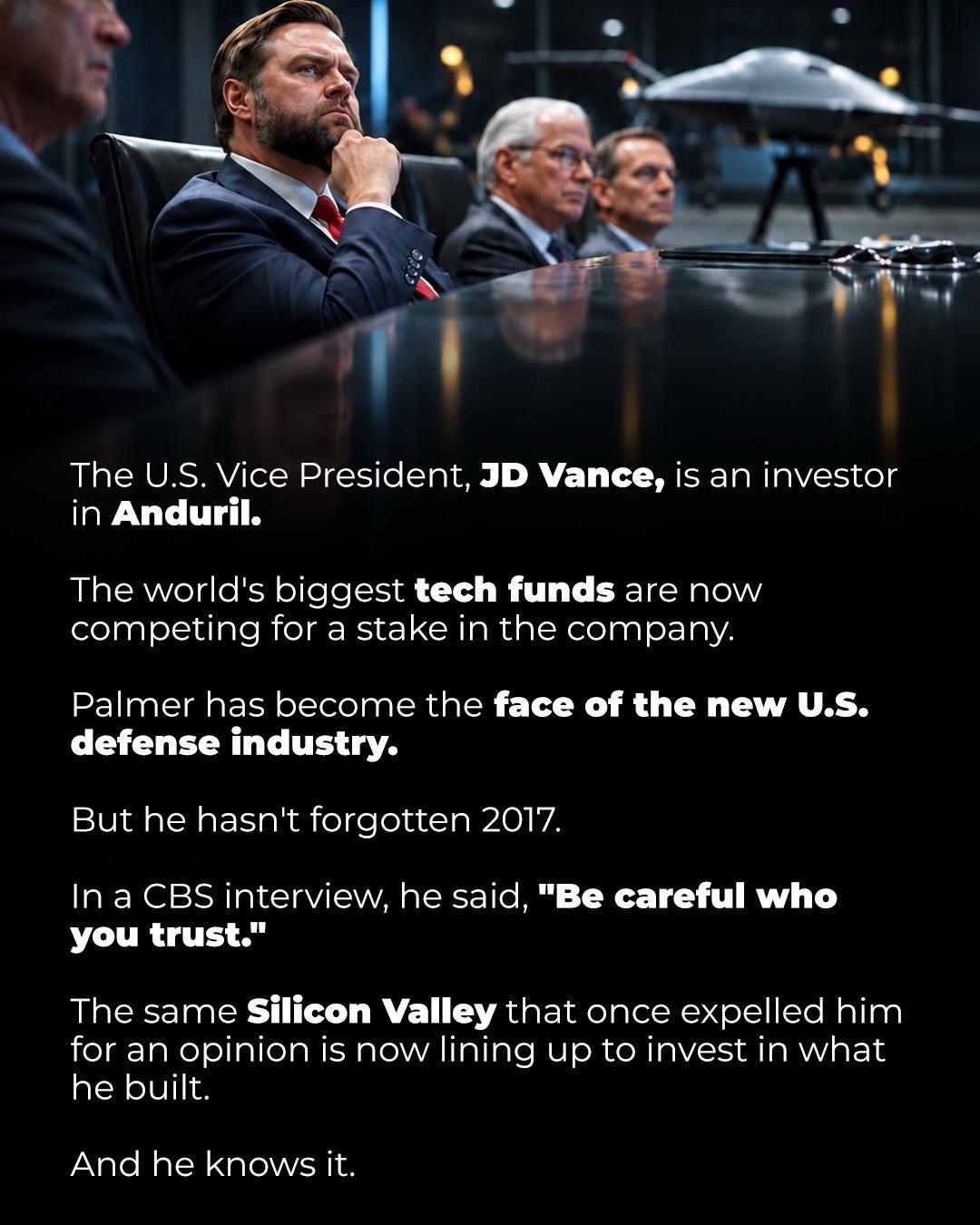
The scale behind him explains the seat. Anduril has taken over the Army's $22 billion IVAS headset program from Microsoft, won a multi-year Pentagon contract worth up to $20 billion in March and a $1.8 billion Army battlefield-command deal, took a $2.9 billion shipyard contract days after the Meridian appointment, and is building a $3.7 billion submarine-parts factory in Maryland. Hegseth, announcing the panel on September 30, said it "will be co-led by three of our nation's best minds: Elon Musk, Palmer Luckey, and Newt Gingrich."
The other side has gone to court. On November 2, Citizens for Responsibility and Ethics in Washington, Public Citizen and the Project On Government Oversight sued the Defence Department, saying the panel was set up in violation of federal law and is filled with people who stand to profit from its advice; former White House ethics lawyer Richard Painter put it plainly: "They all want to sell stuff." Anduril's chief executive Brian Schimpf answers that the company wins "based on the merits" through the Pentagon's competitive bidding — "We've done incredibly well under Biden," he noted.
No court has ruled; the report is still due January 28. Luckey, for his part, told the DealBook Summit this month he would still partner with Meta — the company that fired him — if it served the Army. The valley that ran him out now watches him help decide how America fights its next war, and he is not asking anyone's forgiveness for it.