
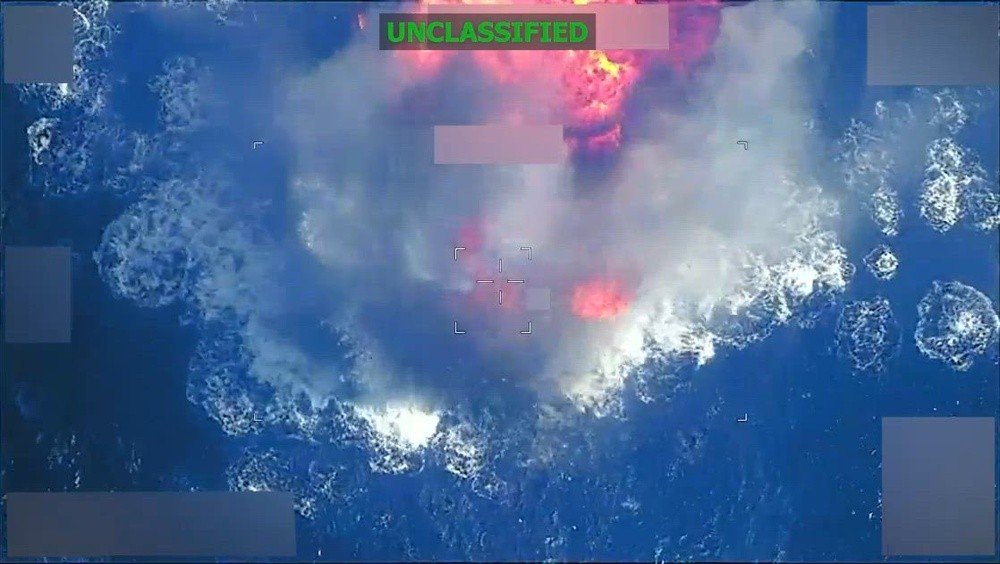
Since September 2025, the U.S. military has been blowing up boats in the Caribbean and eastern Pacific it says are run by designated terrorist organizations smuggling drugs toward the United States — about 70 boats destroyed and more than 230 people killed. The Pentagon's watchdog has revealed to Congress the strikes stopped for two months: Southern Command suspended them in late June, to help Venezuela after an earthquake and evaluate strike procedures, and resumed in August after a review meant “to improve targeting and efficiency.”
Why it matters: both sides are about American lives. The drugs these boats carry feed an epidemic killing Americans, and the strikes are the administration's answer. But a strike that hits the wrong boat kills people never charged with anything — and the pause is the first sign the military stopped to ask how sure it was.
The report states the change: “Following the evaluation, USSOUTHCOM implemented revised targeting guidance to enhance positive identification of DTO vessels prior to engagement.” Critics seize on it — if the old identification was sound, why did it need enhancing? The pause, they say, is an admission the strikes could not be trusted as they stood; civilian-harm trackers document dead never charged, and the strikes were cited in November's impeachment resolutions against Secretary Pete Hegseth. The Pentagon answers in the same breath: the pause is the system working — a command that stops, reviews and tightens identification is doing its job. Southern Command will not detail the changes (“specific assessment findings and subsequent adjustments to operations are kept internal”), but points to results: illicit maritime activity down 65 percent in the Western Caribbean, 60 percent in the Eastern Caribbean and nearly 50 percent in key eastern Pacific areas, by the Pentagon's September update. Hegseth: Southern Spear “secures our Homeland from the drugs that are killing our people.”
What the report does not say matters too. What the review found wrong — if anything — is undisclosed, and it establishes no strike that hit the wrong boat. Before June: strikes ran on identification as it stood. Now: revised guidance first. A Pentagon inspector-general evaluation, opened in May into whether Southern Command followed the six-step targeting process, is still unfinished.
What happens next: the inspector general's findings, when they land — and a Congress that has voted repeatedly to halt the strikes, and so far failed, now holding the watchdog's words.