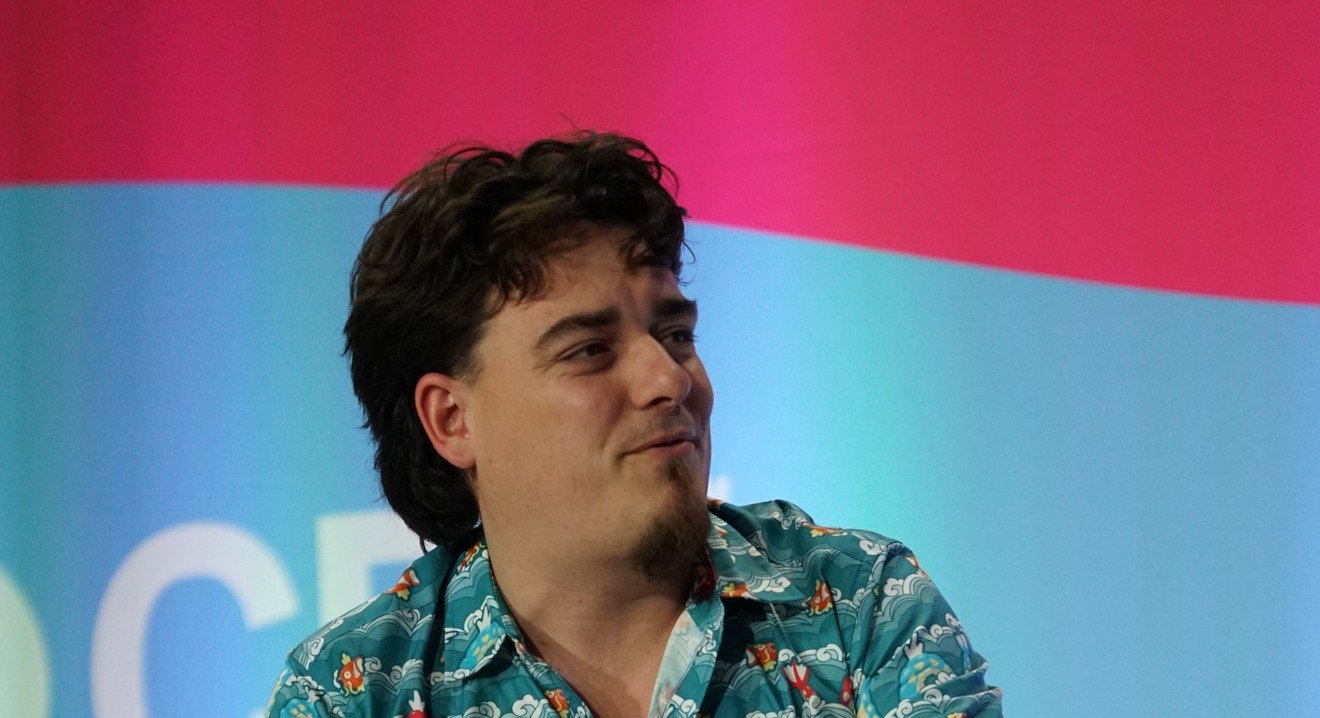
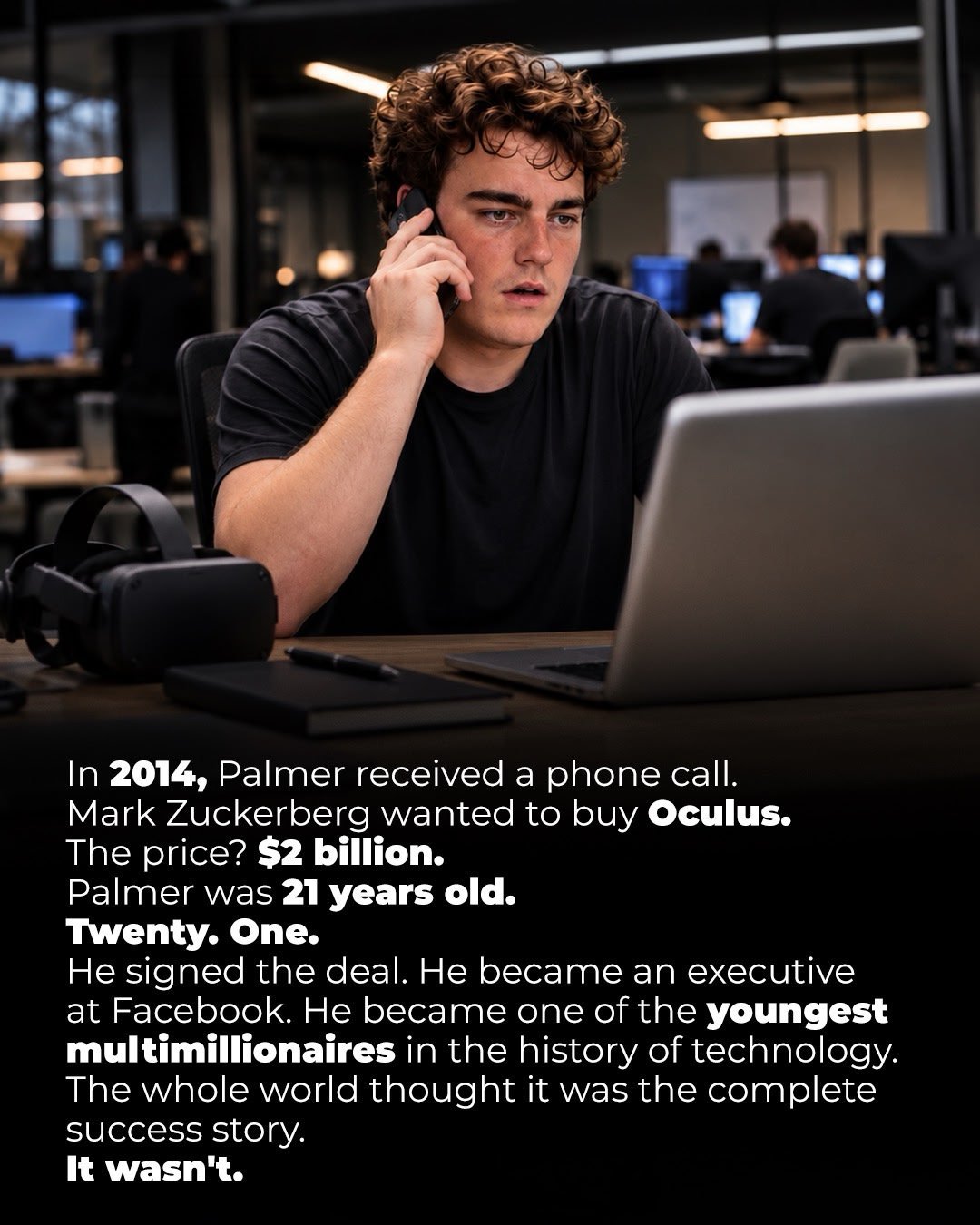
The man Silicon Valley pushed out for his politics now helps write the Pentagon's future. Palmer Luckey built the Oculus headset, sold it to Facebook for $2 billion, and was fired in 2017 after his $10,000 donation to a pro-Trump group came out, which he refused to disown. In September, Defence Secretary Pete Hegseth named him co-leader of Project Meridian — the Pentagon panel imagining the future of warfare — while his company Anduril holds about $25 billion in Pentagon contracts, according to the watchdog groups now suing over his seat.
Why it matters is what the panel decides. Project Meridian has 120 days to say what weapons America needs; its findings, due January 28, 2027, will point military buying for decades — toward drones, AI and autonomous systems, the very things Anduril sells. Whether a weapons maker should sit on the panel writing the shopping list is now a question for a court.
Luckey has never apologised for any of it. Taking over the Army's soldier-headset program from Microsoft, he wrote: "Everything I've done in my career — building Oculus out of a camper trailer, getting run out of Silicon Valley by backstabbing snakes, betting that Anduril could tear people out of the bigtech megacorp matrix and put them to work on our nation's most important problems — has led to this moment."
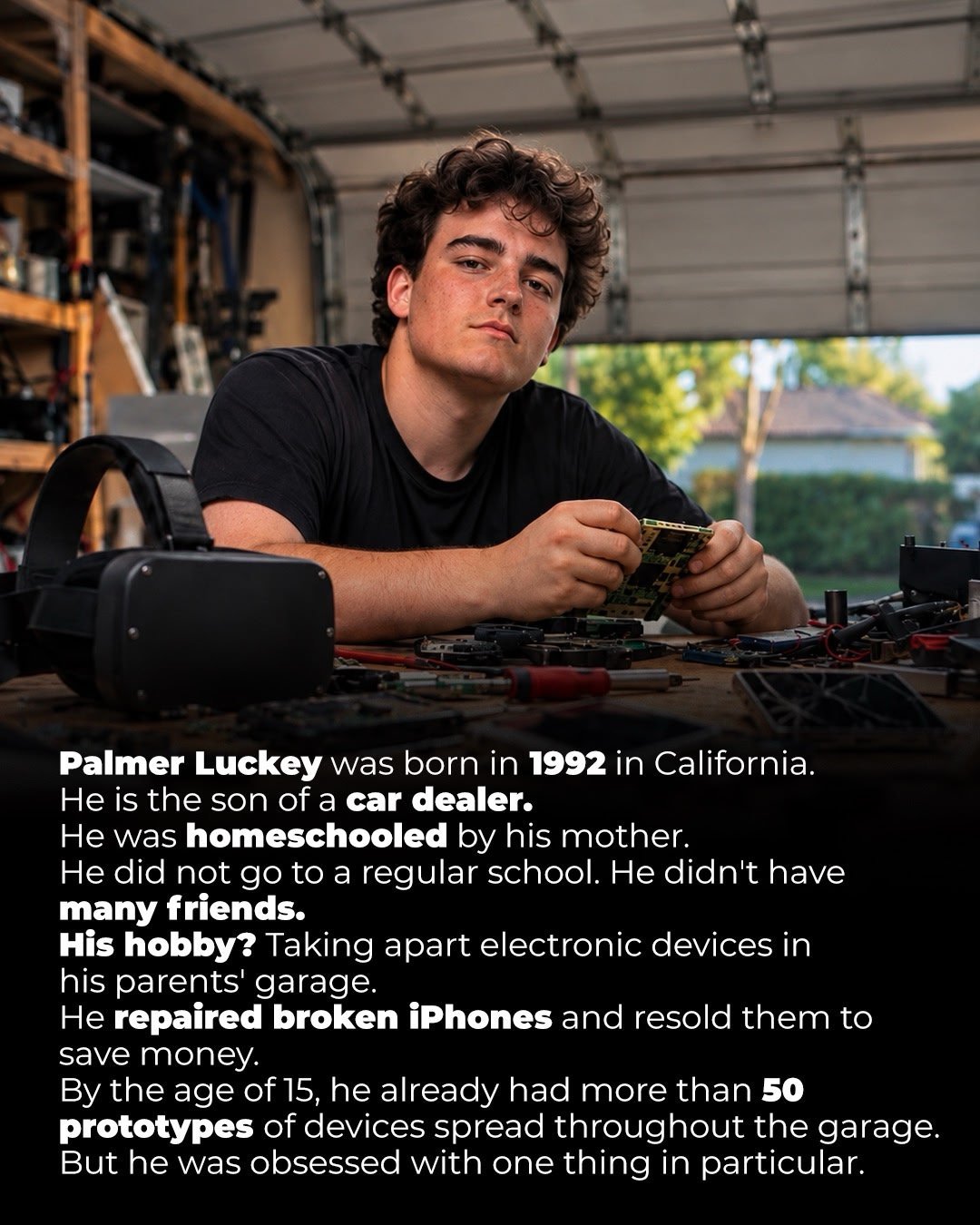
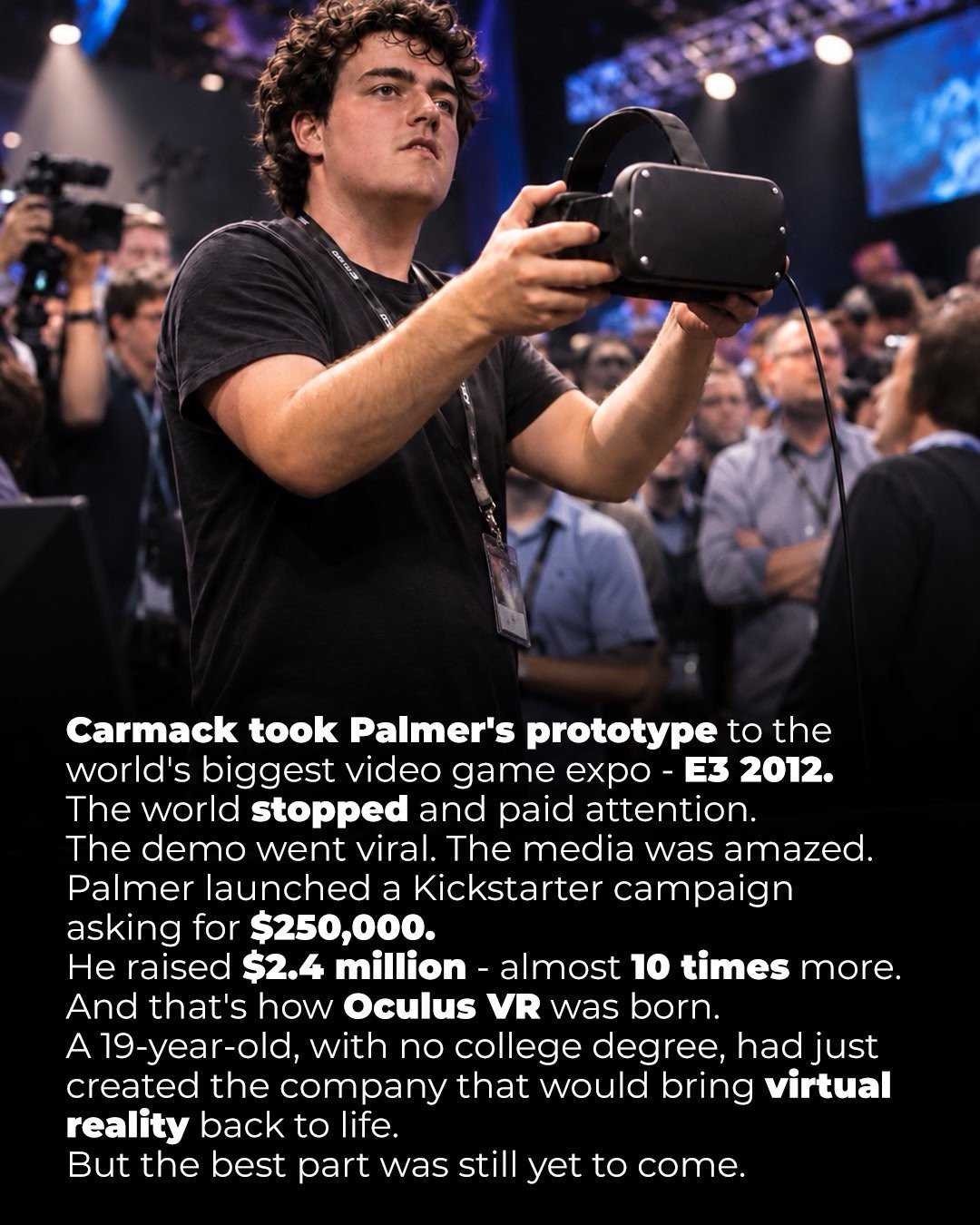
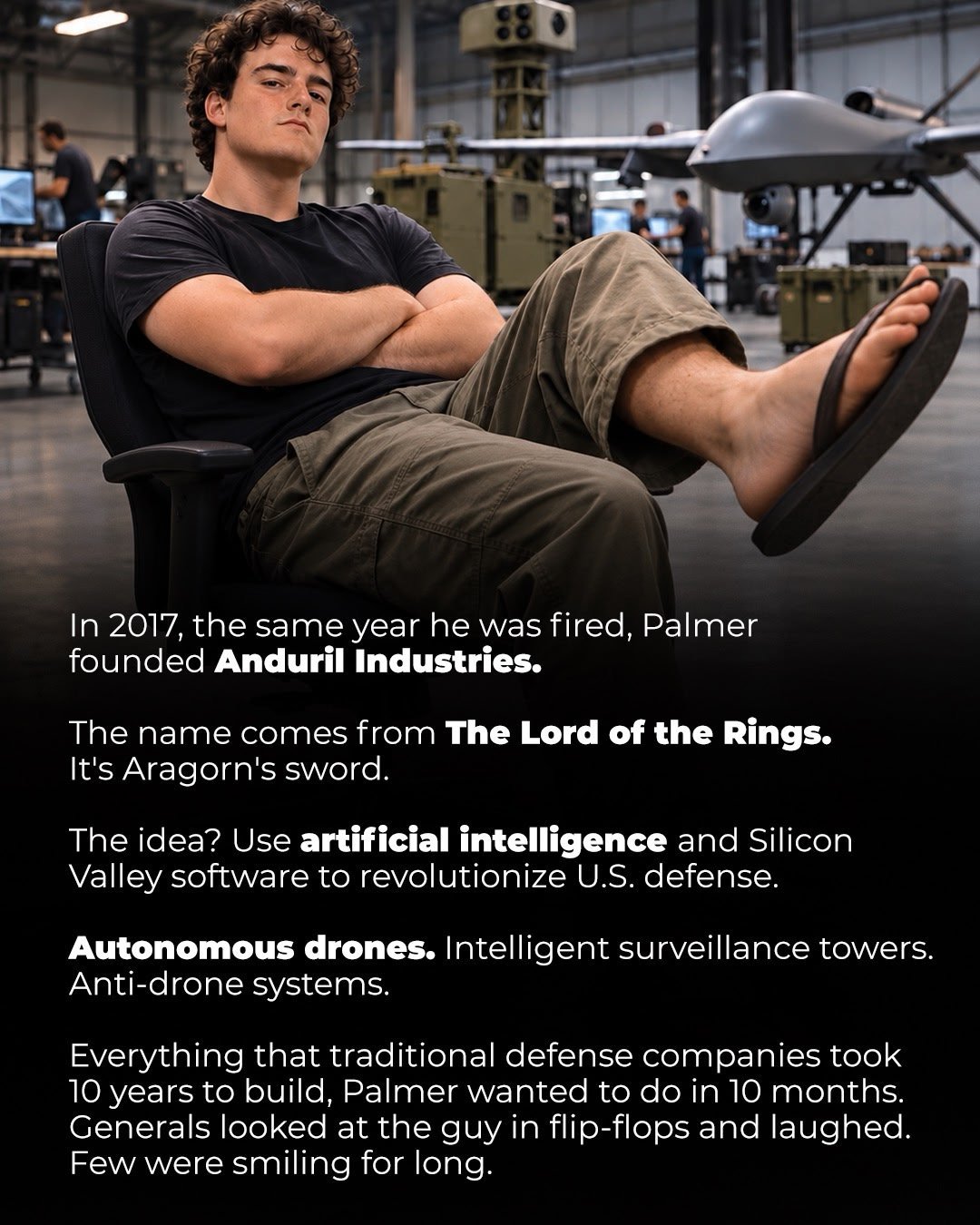
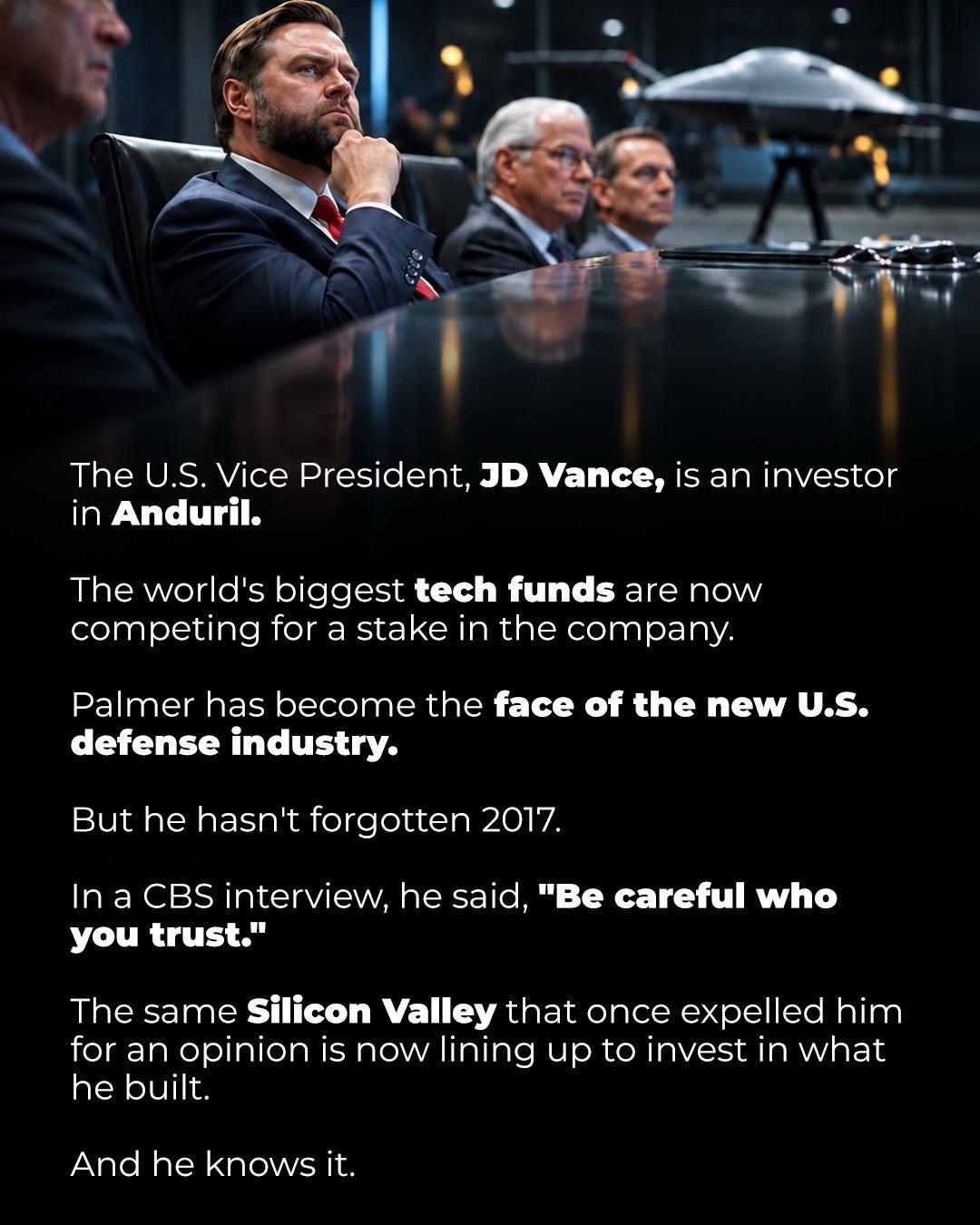
The scale behind him explains the seat. Anduril has taken the Army's $22 billion IVAS headset program from Microsoft and won a Pentagon contract worth up to $20 billion. Hegseth, announcing the panel on September 30, said it "will be co-led by three of our nation's best minds: Elon Musk, Palmer Luckey, and Newt Gingrich."
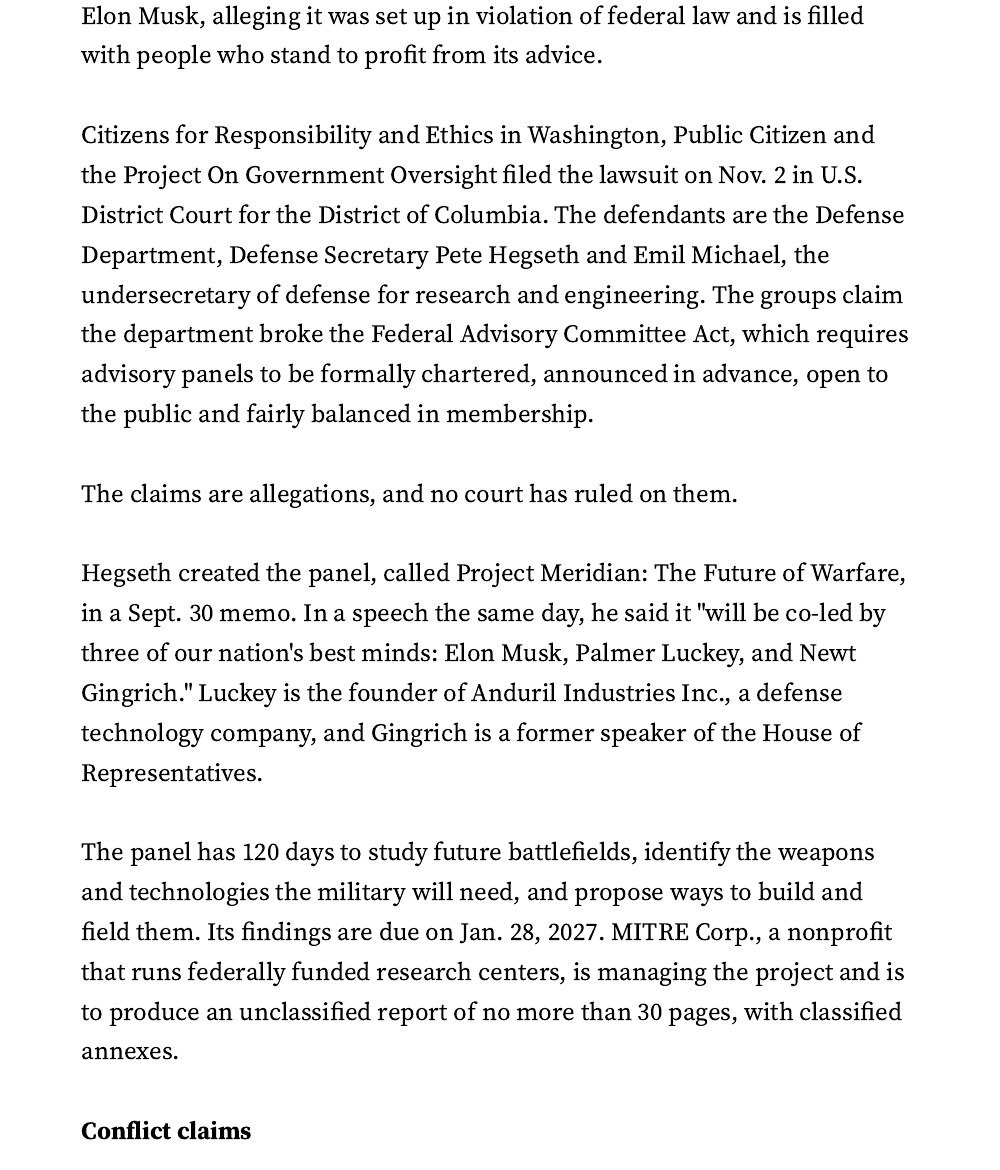
The other side has gone to court. On November 2, Citizens for Responsibility and Ethics in Washington, Public Citizen and the Project On Government Oversight sued the Defence Department, saying the panel was set up in violation of federal law and filled with people positioned to profit; former White House ethics lawyer Richard Painter put it plainly: "They all want to sell stuff." Anduril's chief executive Brian Schimpf answers that the company wins "based on the merits" in competitive bidding — "We've done incredibly well under Biden."
No court has ruled. The valley that ran him out now watches him help decide how America fights its next war, and he is not asking anyone's forgiveness for it.