First posted on Instagram
Associate Attorney General Stanley Woodward filed separate motions on Tuesday and Wednesday asking U.S. District Judges Patrick Schiltz and John Tunheim to step aside from two immigration cases, arguing that the Minnesota judges' on-the-record criticism of the Trump administration's immigration crackdown raises questions about their impartiality.
The motions center on a September 17 New York Times interview in which seven Minnesota federal judges spoke about Operation Metro Surge, the administration's large immigration enforcement push in Minnesota earlier this year that flooded the courts with roughly 1,000 habeas corpus cases from detained immigrants. In the interview, Tunheim questioned whether agents were focusing on dangerous criminals — telling the paper they "weren't arresting, in my view, people who were dangerous criminals on the street" — even as the administration described its targets as the "worst of the worst." Schiltz said the government's conduct had created a grave threat to the rule of law.
"Impartiality is imperative to ensuring public trust in our Nation's judiciary," the Justice Department said in a statement posted to X. "Judge Schiltz's and Judge Tunheim's on-the-record participation in a recent highly partisan New York Times Article, along with Judge Schiltz's subsequent public comments, unquestionably calls into doubt whether they can be impartial in these cases."
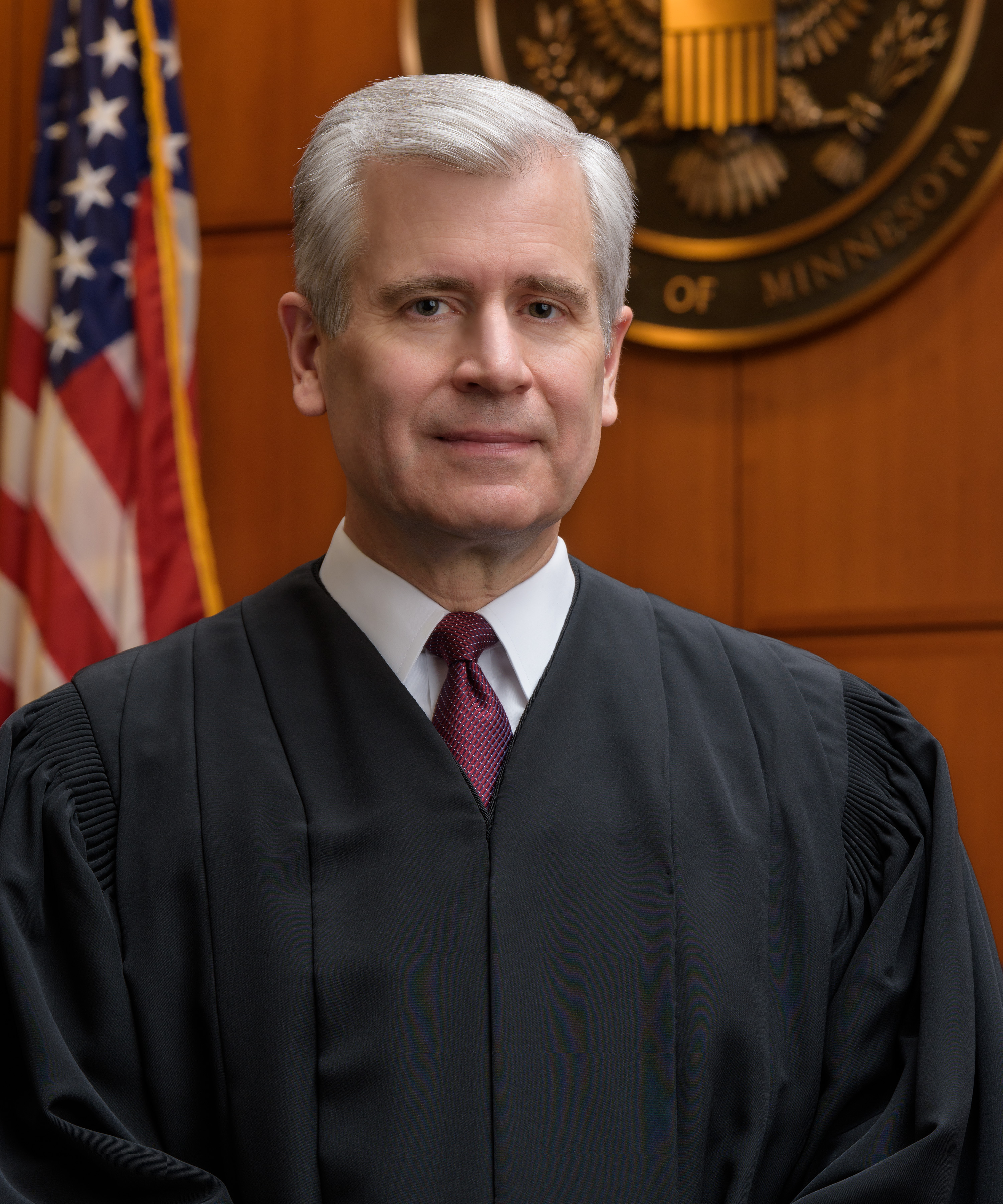
The motions target two specific dockets. Schiltz is presiding over the government's effort to strip U.S. citizenship from Salah Osman Ahmed, a Somali-born man who pleaded guilty in 2009 to providing material support to terrorists after joining al-Shabaab — a case Woodward described as part of "the largest denaturalization effort in Department history to restore trust and integrity in U.S. citizenship." Tunheim is handling the prosecution of a South African national, who pleaded not guilty to charges of falsely claiming U.S. citizenship and illegally voting in the 2024 election.

Woodward's filings did not hold back. He wrote that Tunheim's statements "give rise to the appearance of bias in immigration-related cases," calling him a "headline-chasing jurist," and added: "To Judge Tunheim, the 'rule of law' apparently means ignoring the law when it comes to illegal aliens." Of Schiltz, he wrote: "A judge who has publicly taken sides on the political issue of immigration enforcement cannot then preside over a case concerning one of the Justice Department's key immigration initiatives."
Schiltz has pushed back. When asked about the possibility of recusal in September, he argued there was no basis for him to step aside — and noted that the department had not even asked him to do so at the time. "Neither in the New York Times article nor anywhere else have I commented on the merits of a particular case," Schiltz said. "Instead, I have spoken in defense of the rule of law, a component of which is compliance with court orders. That is not a cause for recusal." Schiltz has set a November 23 hearing on the motion against him. Tunheim did not respond to a request for comment. The judges and court spokespeople say the remarks were a permissible defense of the rule of law under a recent Judicial Conference advisory opinion that loosened the rules on what judges may say about core judiciary matters such as the rule of law and judicial independence. Under federal law, a judge whose impartiality is questioned decides for himself whether to step aside — and if Schiltz and Tunheim decline, the government could seek review from a three-judge panel of the Eighth Circuit.
The recusal motions are an escalation of a broader fight. On September 30, Attorney General Todd Blanche announced a judicial misconduct complaint against seven Minnesota federal judges, asking the Eighth Circuit to investigate their public remarks and to pull Schiltz and Tunheim off Department of Homeland Security cases. A review of federal court records found at least 50 active DHS-related cases that could be affected by such a move.
The push has reached beyond Minnesota. Over the weekend, Woodward also asked that U.S. District Judge Ana Reyes be removed from the Washington, D.C. case over President Trump's effort to transform the historic East Potomac Golf Links — the same case in which Reyes tore into the Justice Department earlier this month after crews felled about 500 trees without the notice she had ordered, telling the government's lawyers they had done their "absolute worst." Reyes rejected the recusal effort on Sunday, accusing the department of using "selective quotations to bring a baseless recusal motion."