Can Congress Defund the Supreme Court?
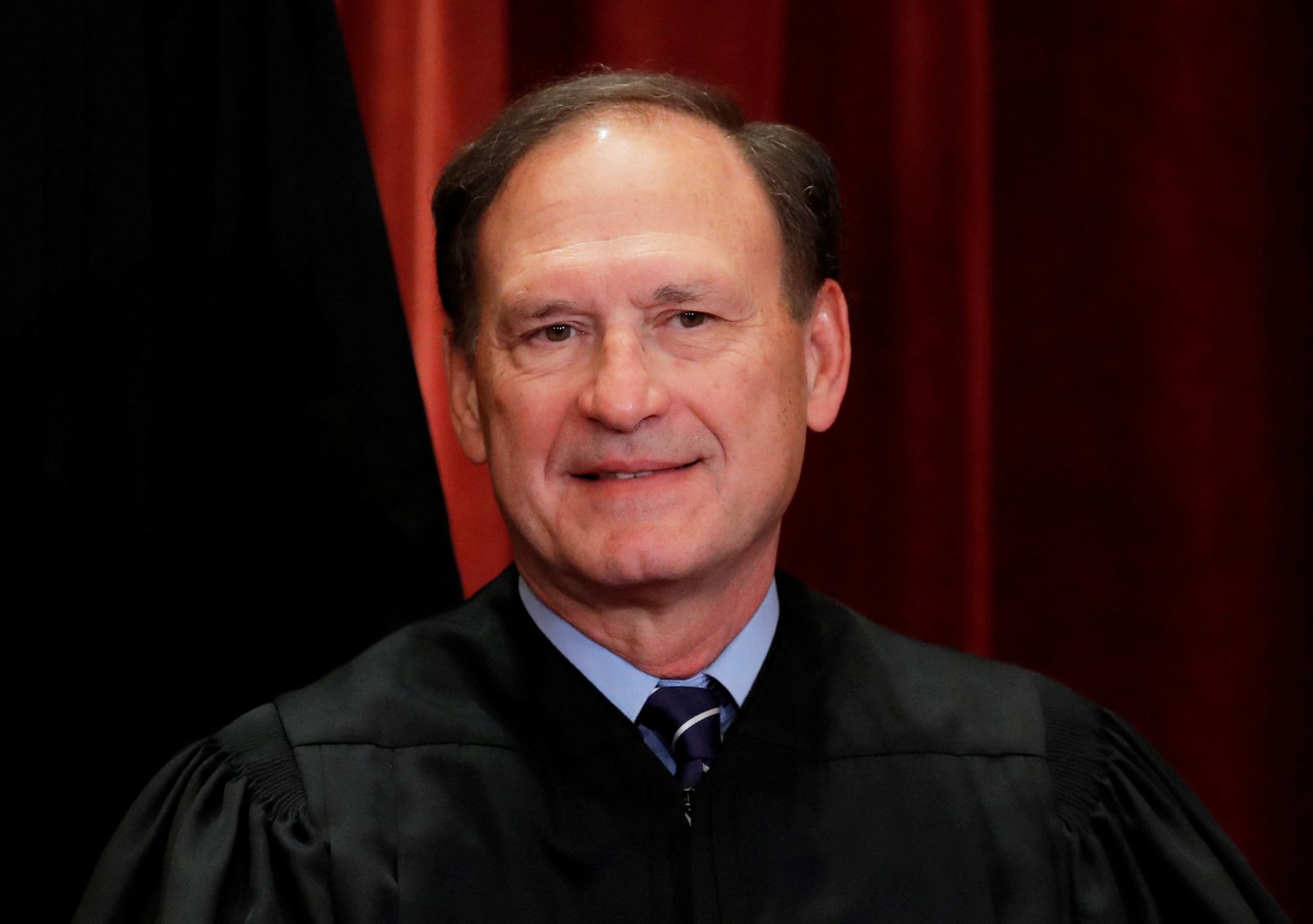
Yes — for the Court's operations. No — for the justices' own pay. Congress controls the money the Supreme Court runs on: the building, the staff, the security, the day-to-day work of the Court all depend on funding that Congress votes. If Congress refused to fund those activities, the work would stop. But one thing is protected by the Constitution itself. Article III says a justice's compensation "shall not be diminished during their Continuance in Office" — Congress cannot cut a sitting justice's pay. And as of today, no law defunding the Court has been filed or announced. This is a warning about a power, not a report that the power has been used.
The plain reality is that the Court has no money of its own. It has no army, no police force and no budget it controls. Justice Samuel Alito told more than 1,000 conservative lawyers at the Federalist Society's Antonin Scalia Memorial Dinner on Thursday, November 12, that the judiciary is the least powerful branch of government and "vulnerable" to Congress and the president. The justices themselves know it: over the summer, Justice Elena Kagan and Justice Amy Coney Barrett made a rare visit to Capitol Hill to argue for the judiciary's budget and for more security money as threats against judges rose.
Alito's claim is that this dependence is a danger to the Constitution itself. He said Congress holds the purse and can use it, and that there are "many, many, many other things that they can do, or at least try to do." He made no reference to the midterm elections or to the Democrats who swept control of both houses of Congress a week earlier. But The Hill noted that Democrats have eyed Congress's power of the purse as leverage against the conservative-majority Court before: in 2023, a group of Democratic senators proposed withholding $10 million in Supreme Court funding until the justices adopted stricter ethics rules.
"Congress can turn off the lights at the Supreme Court and stop everything from happening if they want to defund their activities."
The common-sense principle cuts both ways, and it should be stated plainly. The power of the purse is Congress's own check in the Constitution — the people's branch holds the money so that no other branch can spend without its say. That check is real, and the Court is not above it. But a check used to punish a court for its rulings stops being a check on spending and becomes pressure on decisions. A judge who must weigh what Congress will do to his court's budget is no longer deciding only on the law.
The consequence follows. If funding becomes the weapon each new majority reaches for after an election, the Court's independence lasts only as long as the majority of the day allows it to. The building stays standing, the justices keep their seats and their pay — and the institution still stops, because there is no staff to run it and no money to open its doors. Whether the incoming Congress intends to do any of this is not yet known. No defunding measure has been announced.
The details readers need are narrow ones. Alito, 76, has served on the Court since 2006, after nomination by President George W. Bush. The Court currently holds a 6-3 conservative majority. His remarks came in his return to the Federalist Society's annual dinner, a week after the November 3 midterms changed control of Congress. In the same speech he also criticised lower-court judges, saying that in some instances they have "gone far astray in abuse of their powers" by issuing what he called unjustified orders blocking presidents' policies. Nothing in his remarks named a specific lawmaker or a specific proposal.
Our report on the speech itself is here: Justice Samuel Alito Warns Democrats Could "Turn Off the Lights" at the Supreme Court by Cutting Its Funding.
Alito closed the thought himself: "So, it is important to preserve the independence of the judiciary. If that is eliminated, then the Constitution as adopted in 1789 will no longer be the same."