Can the Government Sell Public Lands?
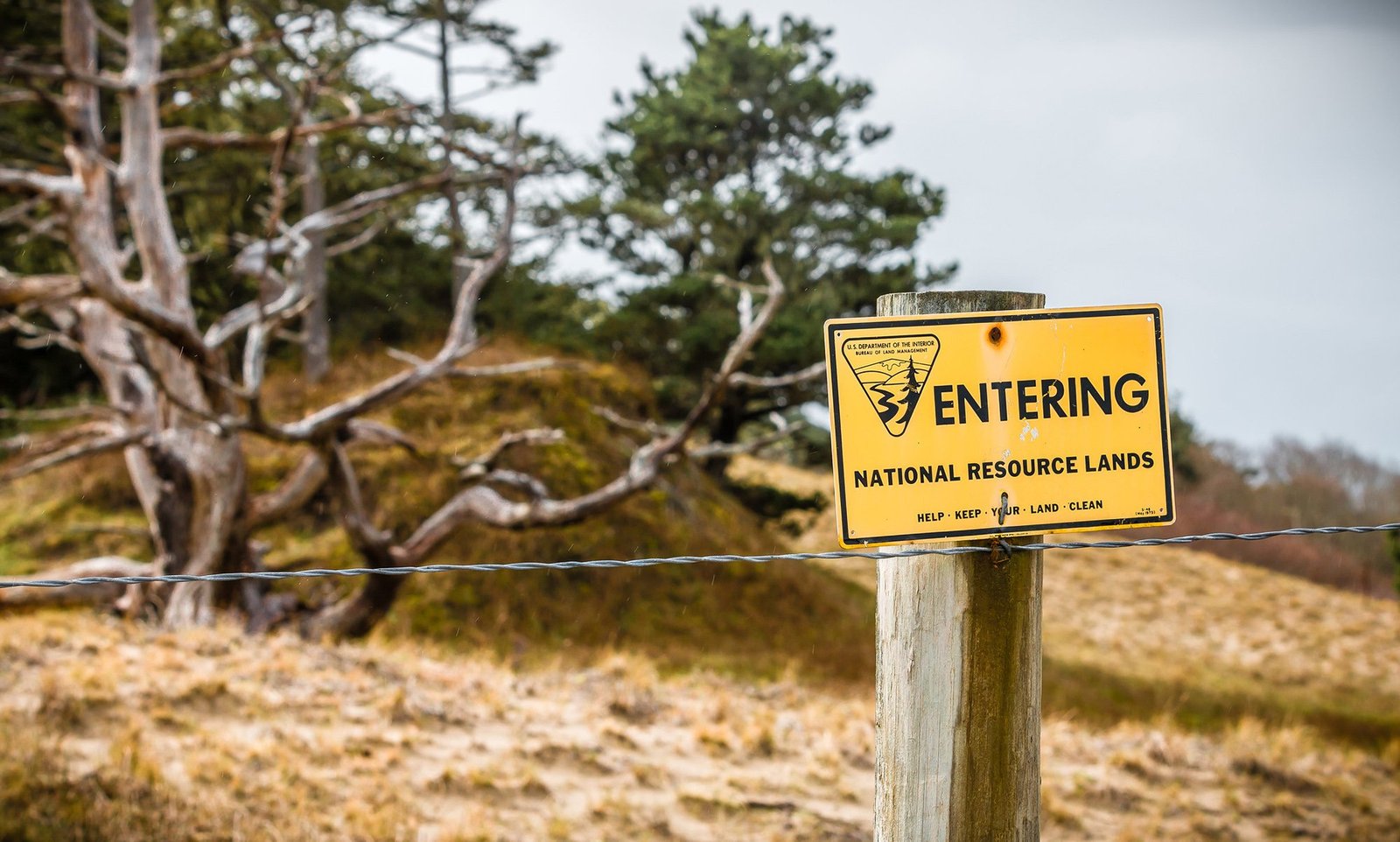
Yes — but only in a narrow way that federal law tightly controls, and nothing in this week's announcement is itself a sale. The Interior Department's new strategic plan makes selling federal land to states, tribes and local governments an official goal for the first time. The law it has to work under, the Federal Land Policy and Management Act of 1976, runs the other way by default: public land stays public unless a specific parcel first qualifies for disposal, land under protected status cannot be sold at all, and the department has named no parcel, no acreage and no place.
The plain reality is in the plan's own missing pages. The Associated Press reports that officials could not define the "nationally significant" lands the department says it wants to keep, and "offered no details on what parcels could be sold, nor the scope or location of potential sales." What the law requires before any sale is specific. Mark Squillace, a professor of natural resources law at the University of Colorado Law School, told the AP that land cannot be sold if it is under protected status, and that before a sale can occur it must be deemed appropriate under set criteria — including land that is uneconomic to manage, or a sale that would "serve important public objectives, including but not limited to, expansion of communities and economic development." The Center for Western Priorities adds the procedural lock: under the 1976 act, the Bureau of Land Management can sell land only after a resource management plan identifies it for disposal. The AP's own assessment is that "it's uncertain if Interior Secretary Doug Burgum can achieve the administration's goals without cooperation from Congress."
What the administration claims is stewardship, not a fire sale. The plan says sales will let the department "focus its resources on primary federal responsibilities and nationally significant federal lands," with a portion of the proceeds returned to the purchasing state, locality or tribe for conservation work elsewhere, and less cost carried by the federal taxpayer. Secretary Burgum has described the country's federal lands as a "balance sheet" to be put to use — energy, minerals, grazing, development — and the same plan would stop using the Land and Water Conservation Fund, which receives $900 million a year, to expand the federal estate at all.
"The Department will work to decrease the size of the federal estate by offering to states, localities and Tribes the opportunity to purchase federal lands."
Common sense starts from whose name is on the title. Public land is not the government's spare inventory; it is held for every American, including Americans who have not been born yet, and a sale is the one kind of government decision that cannot be taken back — a future president can reverse a policy, but he cannot un-sell a valley. That is why the default in the law is to keep the land, and why the burden sits on the seller to show a parcel qualifies, acre by acre.
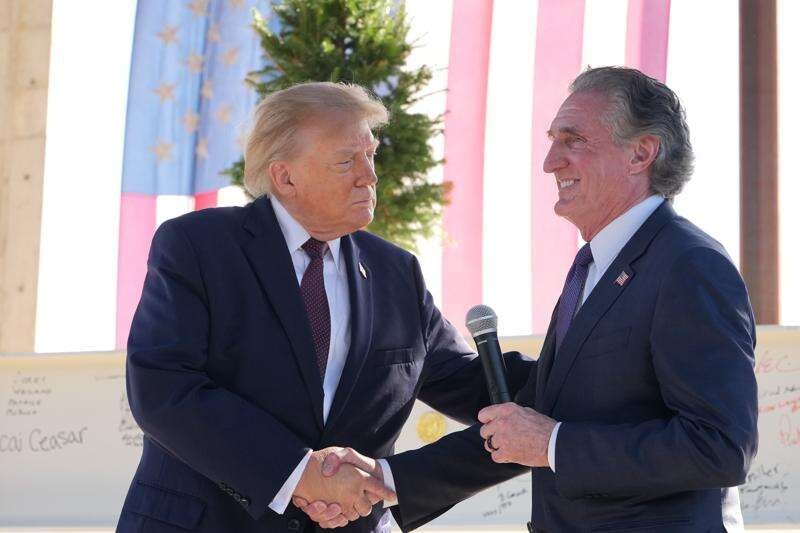
President Trump with Interior Secretary Doug Burgum at the White House on November 4. Burgum's department has made shrinking the federal estate an official goal. (AP Photo)
The consequence of a sale does not end with the sale. GearJunkie notes that states often lack the money and staff to manage large tracts, that a state or locality could resell the land to a private developer, and that nothing in the plan requires a buyer to keep land open to the public. Ryan Callaghan of Backcountry Hunters and Anglers told Outdoor Life that state land is not public land in the way Americans assume — in Colorado and Wyoming you cannot camp on it unless it is posted, and in Montana you cannot even drive its established roads unless they are signed. The political ground is just as hard: former Interior Secretary Ryan Zinke, a Republican congressman, "remains firmly opposed to the sale or transfer of public lands" and says he would vote no, and in January a Democratic Congress takes over, with the incoming Natural Resources leadership already pledged against the plan — our coverage of Chairman-designate Jared Huffman's opening moves is here. If Washington will not say which land fails its "nationally significant" test, the question that follows is who gets to decide what America can afford to lose.
The details measure what is actually at stake. The Interior Department oversees more than 750,000 square miles of land — more than Texas and California combined — and more than 500 million acres through the Bureau of Land Management, the Fish and Wildlife Service and the National Park Service; in Nevada, almost 80 percent of the state is under federal control. This ground has been fought over before: last year Senator Mike Lee's proposal to sell millions of acres of Western land failed amid bipartisan opposition, and Field & Stream notes this plan breaks with 50 years of precedent that largely limited land sales. A related proposed rule for BLM planning is open for public comment through January 11, 2027, and the strategic plan itself, covering 2026 to 2030, would not bind a future administration. The ranking Democrat on the Senate's natural resources side, Martin Heinrich of New Mexico, stated the other side's principle in one sentence: federal lands "belong to the American people, not private interests looking to cash in."