Can the SAVE America Act Be Passed Through Reconciliation With 51 Votes?
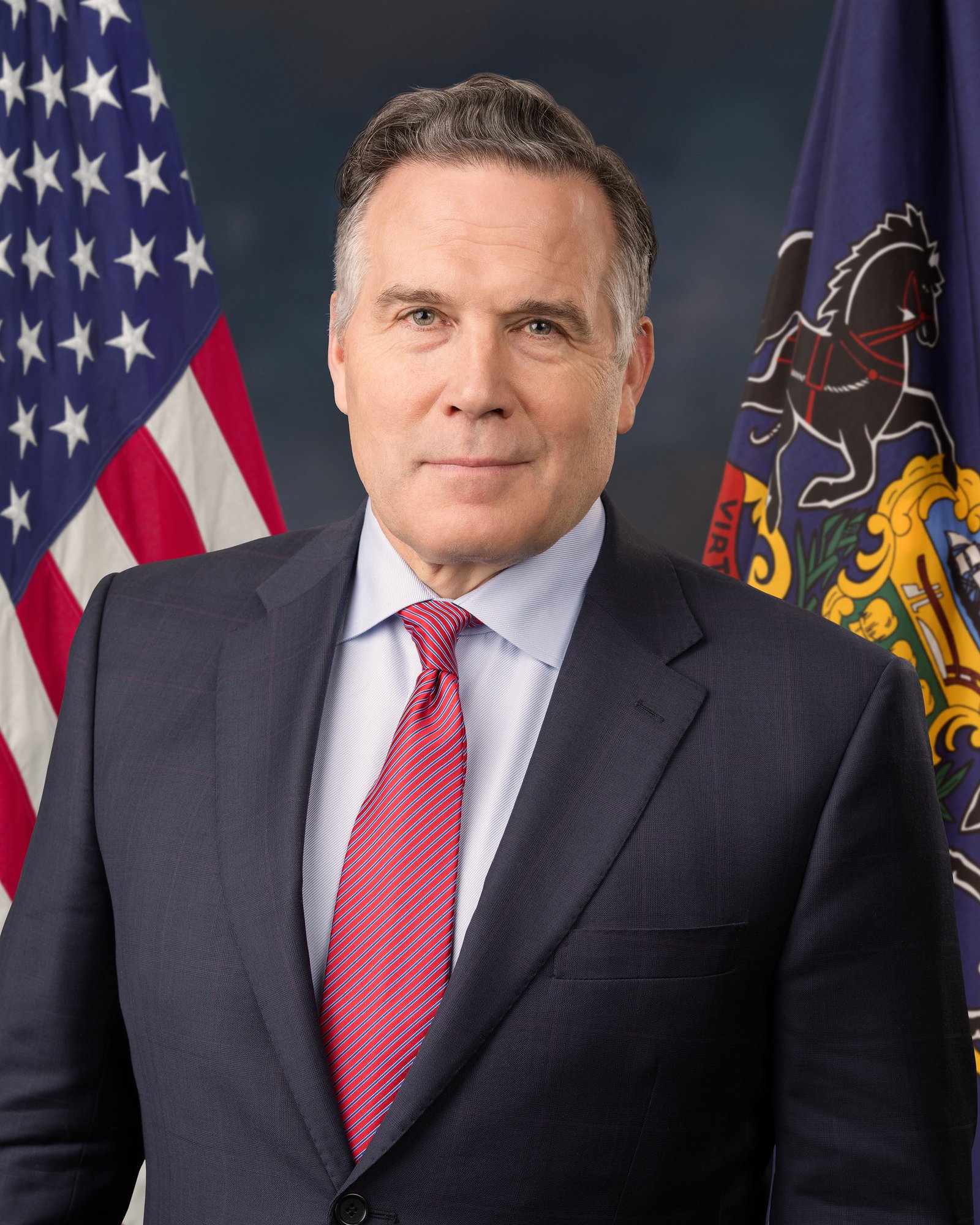
Not the Act itself — only pieces of it, and only the pieces that are really about money. Budget reconciliation does need just 51 votes in the Senate, and it cannot be filibustered. But every provision inside a reconciliation bill first has to survive the Byrd Rule, and the Senate parliamentarian, Elizabeth MacDonough, rules on what stays. A national rule that voters must prove citizenship to register, and must show photo ID to cast a ballot, is election policy. Its effect on the federal budget is a side effect, and under the Byrd Rule a provision whose budget effect is merely incidental to a policy change is struck out — unless 60 senators vote to waive the rule, which is the very number this manoeuvre exists to avoid. Senator Dave McCormick of Pennsylvania, who is making the 51-vote case, said it himself in the same breath: reconciliation would let Republicans pass "the Save America Act or portions of the Save America Act."
The rulebook is plain about what reconciliation is for. Written into Section 313 of the Congressional Budget Act, it is a fast track for moving federal dollars in and out — spending, taxes and the debt. The reality is that 60 votes has become almost impossible to reach on anything contested, so the fast track keeps being asked to carry policy it was never built for. That gap, between what the tool is and what each majority tries to use it for, is exactly why people are asking this question now.
McCormick argues the votes are the point. "The reason the reconciliation is important – that's a 51," he told The Center Square. "You need 51 votes to pass that, as opposed to the traditional 60 votes." In the House, Representative Bryan Steil, who chairs the Committee on House Administration, is drafting the citizenship and photo ID pieces so they hang on federal election money — the Help America Vote Act funds Washington already sends the states — and says, "I think there's a lot of work we can do that can pass the Byrd test in the Senate." Senator John Hoeven makes the same argument: fund the states, and the provisions ride on the money.
The common-sense principle is just as plain. A mandate does not become a budget item because money has been stapled to it. If the dollars are the wrapper and the rule is the point, it is the rule that gets judged — and election rules for the whole country are the point of the SAVE America Act, not a side effect of it.
"Nothing in the current versions I've seen of SAVE would pass the Byrd rule. They could probably provide money to states for voter fraud enforcement or creating/enhancing voter ID requirements, but the number of strings put on the money would have to be pretty minimal to pass muster." — a former Senate Republican aide, speaking to Roll Call
So the consequence is already visible. What can pass at 51 is an offer, not an order: federal money for states that choose to adopt the requirements, with few strings allowed. The mandate itself most likely dies in the closed-door review senators call the Byrd bath. The only ways around that are the two doors Republican leaders have already closed — 60 votes to waive the rule, which they do not have, or overruling the parliamentarian by simple majority, the nuclear option, which Majority Leader John Thune has signalled he will not use and which Senator James Lankford, a SAVE supporter, says he would not back. And the clock is running: this is a lame-duck plan, and Democrats take both chambers when the new Congress is sworn in on January 3. If the only SAVE America Act that can pass with 51 votes is a cheque to states that volunteer, in what sense has the Act passed at all?
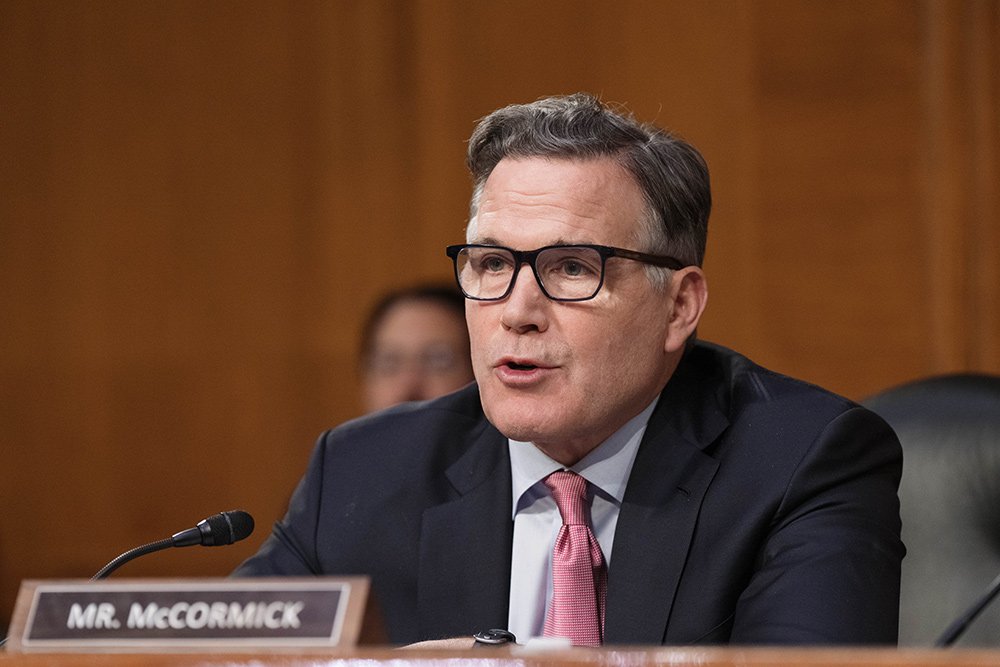
The details show how steep the climb is. The SAVE America Act passed the House in February and has never received a Senate vote, because the ordinary road needs 60. The parliamentarian's precedents are not encouraging for the workaround: in 2015 the individual mandate at the heart of Obamacare was ruled extraneous even though repealing it scored roughly $147 billion in savings over ten years, and in 2021 MacDonough struck both a $15 federal minimum wage and an immigration overhaul from a reconciliation bill, calling the immigration change "a tremendous and enduring policy change that dwarfs its budgetary impact." Douglas Holtz-Eakin, a former Congressional Budget Office director, calls the underlying bill "not budgetary in nature," and Senator Rick Scott, one of the bill's own backers, told reporters he does not see any way that any part of the SAVE America Act "of any teeth" gets included in a reconciliation package. What the package does contain, Axios reported in July, is a $10 billion fund meant to incentivise states to adopt elements of the Act — exactly the money-without-a-mandate version the Byrd Rule would leave standing — alongside $73 billion for the war in Iran and $12 billion in farm aid. The two chambers are not even agreed on the vehicle: the House passed a $95 billion reconciliation bill this summer, the Senate's framework runs to $150 billion, and that $55 billion gap is still open, as our report on the Republican push to use the final 54 days sets out. McCormick restated the 51-vote plan this week as the lame-duck session opened — our report on his remarks has his full case. His strongest line is also the honest summary of where this ends: "The reason the reconciliation is important – that's a 51. You need 51 votes to pass that, as opposed to the traditional 60 votes."