Can Trump Sue the BBC?
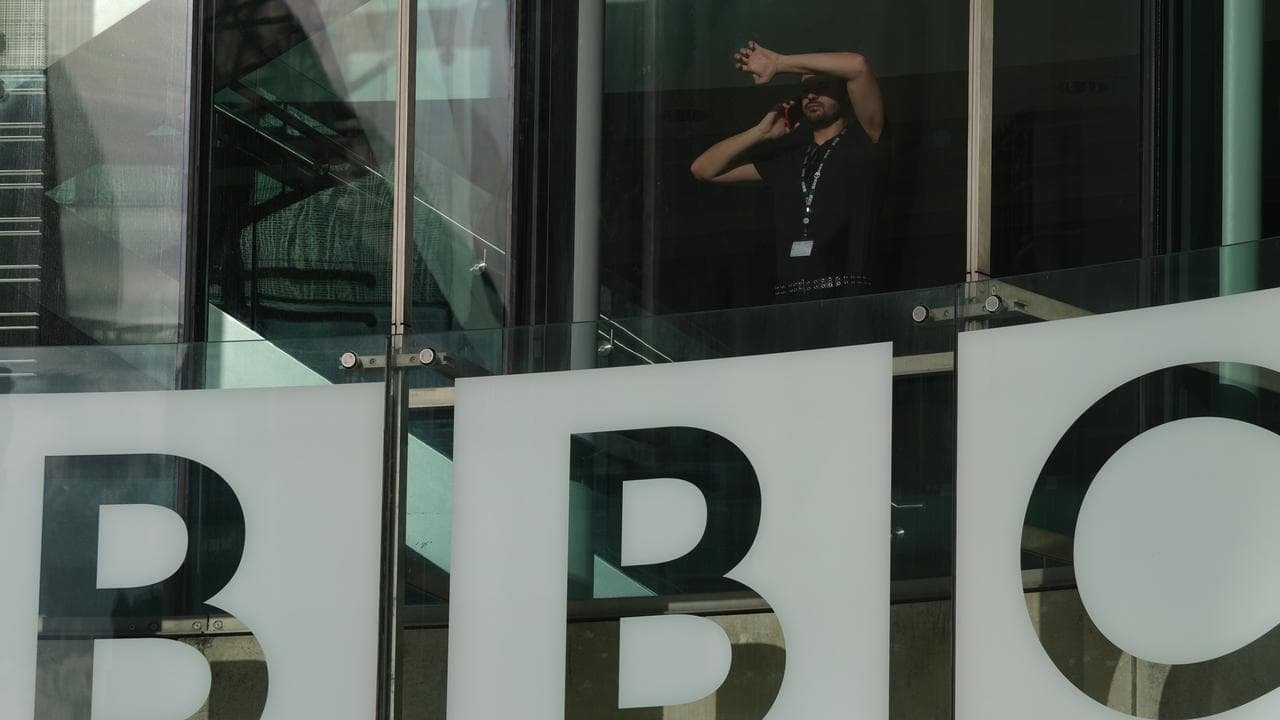
Yes. A federal judge in Florida ruled on Tuesday, November 10, that President Donald Trump can sue the BBC, refusing to throw out his $10 billion defamation case over a misleadingly edited clip of his January 6, 2021 speech. U.S. District Judge Jeffrey Kuntz declined to dismiss the defamation claim, finding that Trump had plausibly alleged the broadcaster damaged his reputation and knew, or should have known, that the clip was misleading, Reuters reported. The case now proceeds to its next stage.
The plain reality is that the BBC has already admitted the edit was misleading and apologised to Trump, saying the broadcast gave the mistaken impression that he had made a direct call for violent action. On the broadcaster's own account of what it aired, this case should have died at the first hearing. It did not, because an apology is not a verdict, and a court, not the broadcaster, decides whether a defamation claim stands.
The BBC says it is surprised by the decision but respects the court's authority and remains confident in its position. It denies being liable for defamation, and it argued that the programme does not meet the legal criteria for defamation and was not available in the United States. Trump, for his part, claims the edit was deliberate, and the lawsuit he filed in Florida accuses the BBC of intentionally, maliciously and deceptively doctoring the speech he gave outside the Capitol on January 6, 2021.
The broadcast gave "the mistaken impression that Trump made a direct call for violent action." — the BBC's own apology for the edit
Stated plainly, the common-sense principle is this: if you cut a man's words together so that he appears to say the opposite of what he said, you do not get to end the matter yourself by saying sorry. An admission that the edit misled viewers is exactly the kind of admission a court can test, and Tuesday's ruling means it will be tested.
The consequence is that a $10 billion claim against Britain's publicly funded broadcaster is now a live case in an American court, one of several lawsuits Trump has filed against news media organisations, and the BBC must now fight it on the evidence rather than have it struck out at the door. And that leaves the question that follows from it: if an edit the broadcaster itself admits misled its viewers can still be defended as no defamation at all, what edit would ever count?
The details that matter are these. Trump filed the lawsuit in December in Florida federal court, seeking at least $10 billion. It centres on an episode of the BBC's Panorama documentary, shown shortly before the 2024 presidential election, which spliced together two separate sections of the speech: the part where he told supporters to march on the Capitol, and the part where he said "fight like hell". It left out the part where he called for peaceful protest, so the finished clip made it appear he had directed supporters to storm the Capitol. A leaked internal BBC memo later cited the edits as evidence of potential political bias, sparking a public relations crisis for the broadcaster and leading to high-level resignations.
Tuesday's ruling decides only that the claim is plausible enough to continue; it does not decide that Trump has won. Judge Kuntz was explicit about that limit in his order: "Whether President Trump can prove these claims and establish he sustained damages at summary judgment or trial is left for another day." The judge did dismiss Trump's second claim, brought under Florida's Deceptive and Unfair Trade Practices Act, ruling that the documentary did not constitute commercial speech. Our earlier coverage of this same lawsuit, when the court dealt with the Justice Department and the BBC's access to Mar-a-Lago records, is here.
Trump closed the day with his own verdict on the ruling: "We will continue fighting against, and defeating, all of those who try to deceive the American People!"