Did Sherrod Brown Win the Ohio Senate Race?
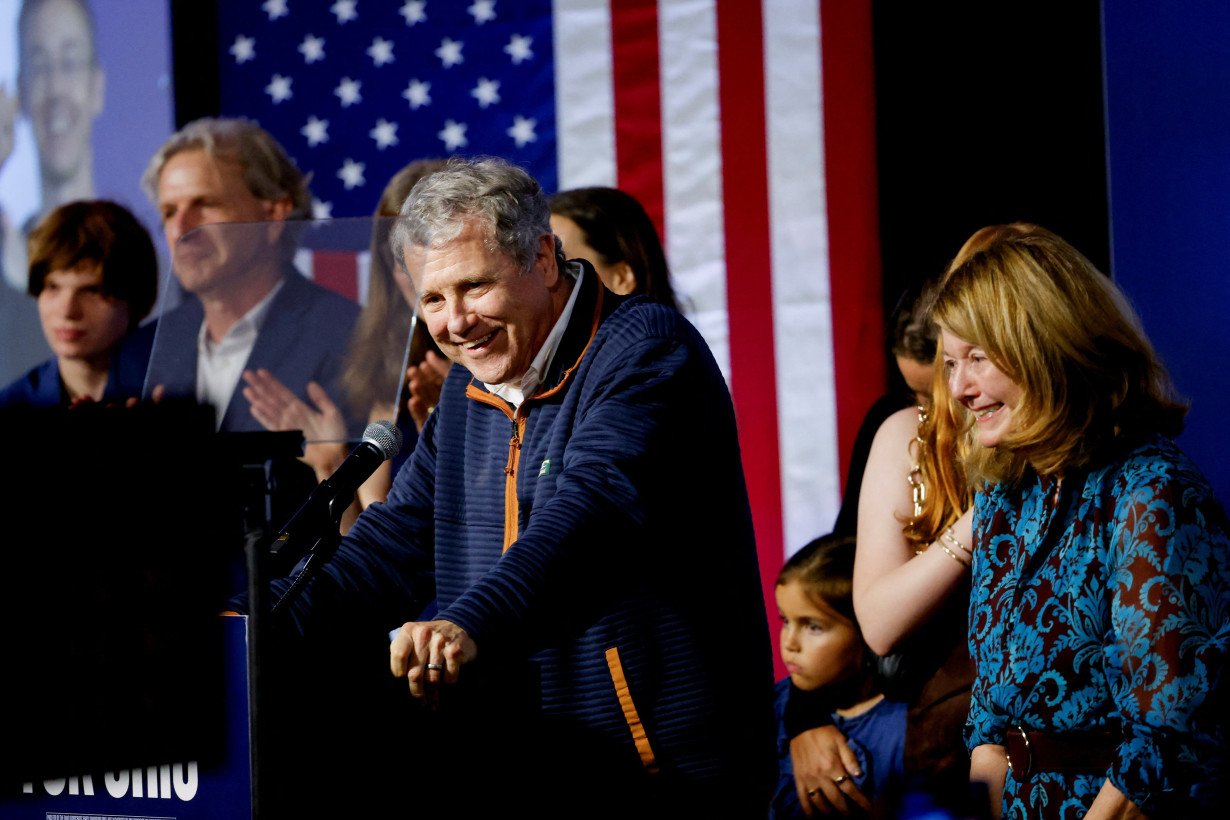
Yes. Sherrod Brown won Ohio's U.S. Senate race on Tuesday, November 3, defeating appointed Republican Senator Jon Husted in the special election, according to the race call by the Associated Press. The former senator is going back to Capitol Hill two years after Ohio voters removed him — but for two years, not six: because this was a special election to finish the term JD Vance was elected to in 2022, Brown is assured of only two more years in the Senate and will have to run for re-election in 2028 to keep the seat, NPR reported.
The plain reality behind the question is that comeback. Brown, 73, held an Ohio Senate seat for three terms, from 2007 to 2025, until his 2024 loss to Republican Bernie Moreno ended his 18-year tenure — in what the ad-tracking firm AdImpact ranked as the most expensive non-presidential election on record at the time. A senator who loses is normally finished. Brown is only the seventh former U.S. senator since 1946 to lose his seat and then return to the chamber later. And he did it in a state that has become a Republican stronghold, carried by President Trump in the last three presidential cycles.
What Brown claims the result means is a verdict on who Ohio belongs to. He ran against data centres, affordability and corporate power, calling Husted "the face of data centers" in Ohio because of Husted's involvement in such deals as lieutenant governor, NPR reported — an attack the National Republican Senatorial Committee's own leaked memo conceded, calling data centres "the anchor hanging around Husted's neck." Husted, 59, was running for the Senate for the first time: Governor Mike DeWine appointed him in January 2025 to the seat Vance left for the vice presidency, and Trump endorsed him and campaigned with him in three Ohio visits in October.
"You sent an undeniable message tonight: Ohio is not for sale." — Sherrod Brown, victory speech, election night
Stated plainly, an appointment is a governor's gift, but a seat is the voters' property. Husted held the office for nearly two years without ever winning it; the first time Ohio's voters were asked directly, they handed it to the man they had removed from the Senate's other seat two years earlier. That is the difference between occupying a seat and earning one.
The consequence is twofold. Brown's flip was one of the seats that built the Democrats' new Senate majority, and he returns as junior senator alongside Moreno, the man who beat him in 2024. But the short term changes his politics from day one: a senator who must face the voters again in 2028, in a presidential year, in a state his party has been losing, starts campaigning almost as soon as he is sworn in. If two years is all the voters have lent him, what will he have to show them when he asks for six?
The details that matter are these. The race was one of the most expensive Senate contests in the country: the candidates together raised more than $80 million, and by mid-October more than $422 million had been spent by candidates and outside groups, according to AdImpact figures reported by NPR, which noted Ohio was the only state with a close Senate race where Democrats ran more broadcast television ads than Republicans. Former President Barack Obama rallied for Brown on October 24. The term Brown won runs through January 3, 2029, the end of the term Vance won in 2022. In his victory speech, Brown pledged: "My pledge to all Ohioans, whether you voted for me or you didn't, is that I will always be on your side — always. I do not work for the utility companies. I do not work for data centers. I do not work for Wall Street. I work for you, I work for Ohio."