Is Netanyahu Still Prime Minister of Israel?
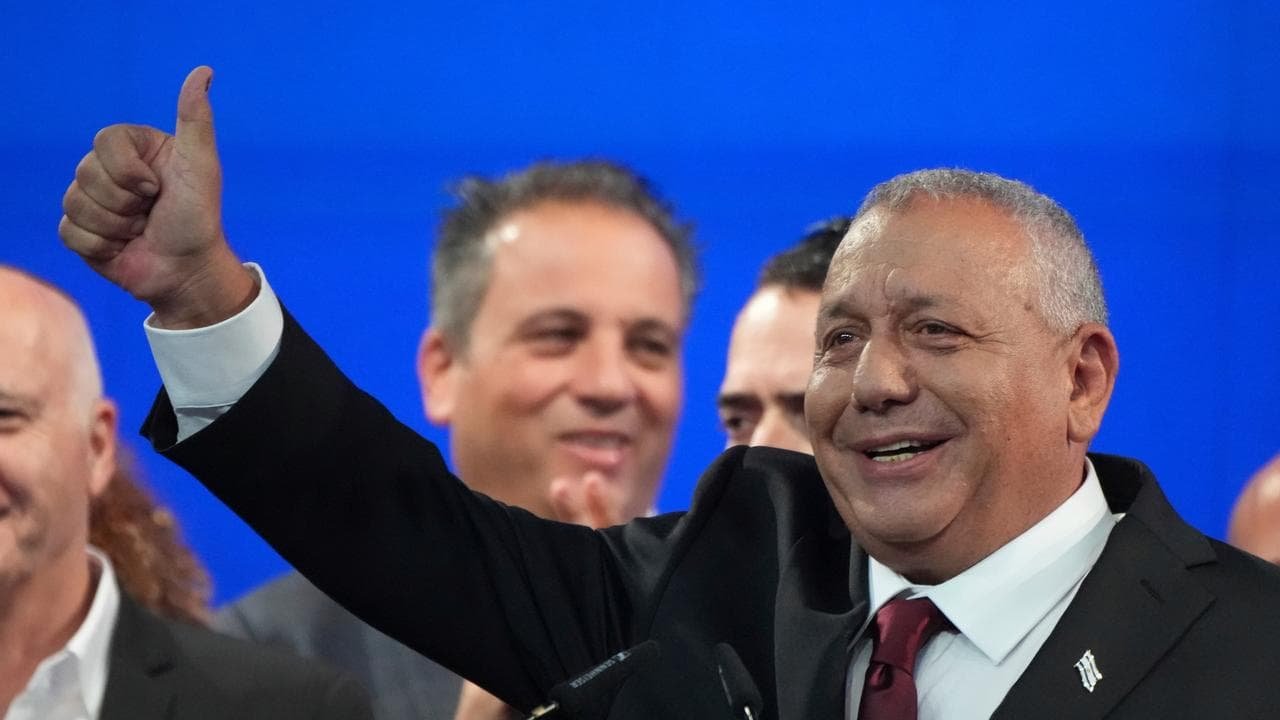
Yes. Benjamin Netanyahu is still the prime minister of Israel. President Isaac Herzog announced on Saturday night that Netanyahu's main rival, former military chief Gadi Eisenkot, will get the first chance to form a new government — but a chance to form a government is not the office itself. Until a new government is actually built and sworn in, Netanyahu stays in the job as caretaker prime minister.
That is the plain reality of how Israel changes prime ministers, and it is why the headlines and the reality do not match. The record says the president hands one lawmaker a mandate to try to assemble a coalition; the office changes hands only when that lawmaker wins a vote of confidence in the Knesset, Israel's 120-seat parliament, with at least 61 members behind a government. Reality shows a country being told a successor has been picked when what has actually been picked is a negotiator. Netanyahu himself claims the way out is a broad national unity government — in a video statement on Saturday he called for one and warned against "hastily swearing in a government with terrorist supporters," a reference to the Arab-led parties. Eisenkot claims the opposite answer: what he calls a national emergency government, built only from parties that accept his principles, including recognising Hamas as a terrorist organisation.
The common-sense point is simple: 67 recommendations are not 61 votes to govern. In the president's consultations this week, factions representing 67 lawmakers told Herzog to give Eisenkot the first chance, against 46 for Netanyahu. But a recommendation costs a party nothing. A coalition seat costs it ministries, policies and compromises — and the 67 includes 19 lawmakers from the two Arab-led parties, parties Eisenkot has declined to join forces with, according to Reuters.
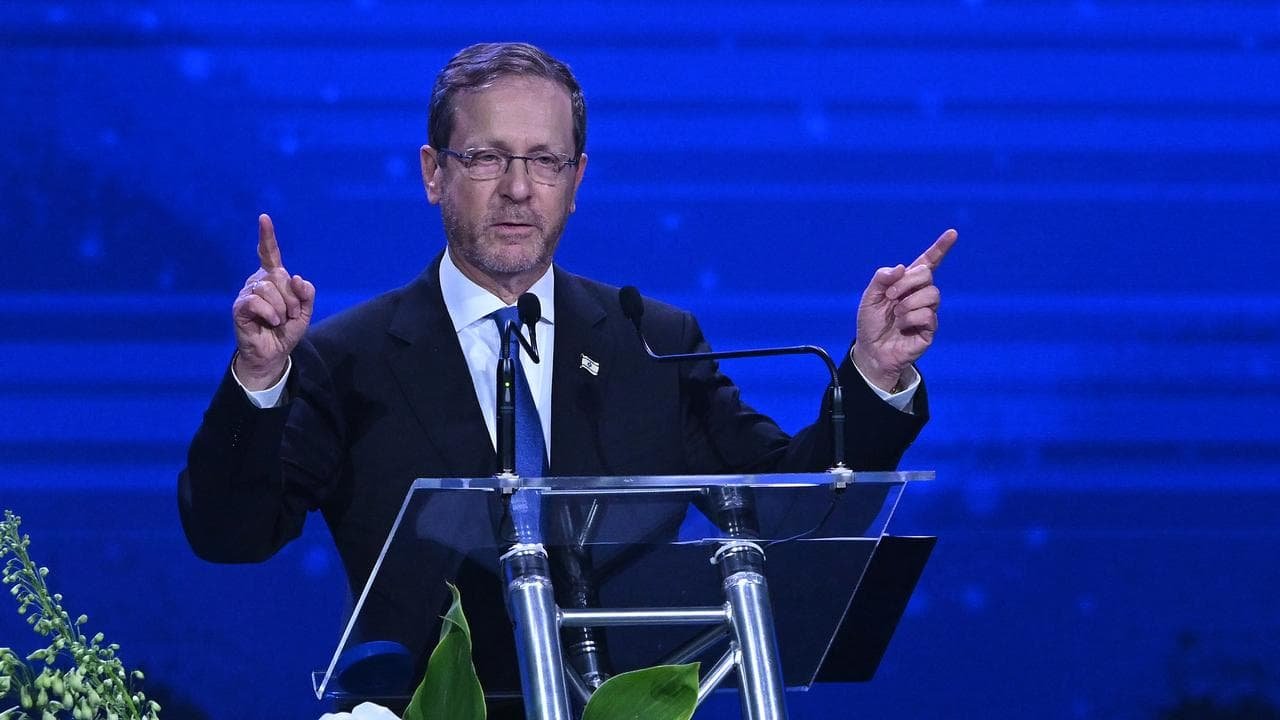
The consequence is that Saturday's setback for Netanyahu could still end with Netanyahu. Eisenkot will be formally handed the mandate at the President's Residence on Sunday at 5 p.m., and from then he has 28 days, with a possible 14-day extension, to build his government. If he fails, the task is expected to pass to another lawmaker — Netanyahu himself would get his own weeks to try. The whole process can run about 100 days, and if nobody succeeds, Israel votes again. So the question that follows is the real one: if the lawmakers who recommended Eisenkot will not sit in his government, what exactly did Saturday change?
67 lawmakers recommended Eisenkot to the president. His own bloc holds 48 seats. A recommendation is not a coalition.
The details that matter are the seat numbers from the October 27 election, which we set out when the final results came in. Netanyahu's Likud won 27 seats, more than any other single party, and his religious-nationalist bloc holds 53. Eisenkot's Yashar won 21, and the four Jewish opposition parties backing him — Yashar, Together, Yisrael Beiteinu and the Democrats — hold just 48 between them. His plan, as he set it out on Friday, is to swear in a minority government of those four parties as fast as possible and grow it afterwards. One of his own partners is already drawing a line: Avigdor Lieberman of Yisrael Beiteinu says he will not accept a government that depends on the abstentions of the Arab parties, the very parties whose recommendations won Eisenkot the mandate. The seven lawmakers of the ultra-Orthodox United Torah Judaism party, who abstained in the consultations, are the other bloc both men are watching.
Eisenkot is not a career politician. He was Israel's top military commander from 2015 to 2019, joined Netanyahu's emergency war cabinet after the October 7, 2023 attacks, then left it the following year accusing Netanyahu of failing to end the Gaza war and free the hostages. His son Gal, a reservist, and two of his nephews were killed in that war. Netanyahu, for his part, has spent the week demanding the broad Likud-led government we reported on here, and he remains in the prime minister's office while all of this is argued out. Eisenkot, in his first reaction to the decision, posted: "Now is the time to form a national emergency government. I will do everything I can to ensure we are worthy."