Is the Iran War Over?
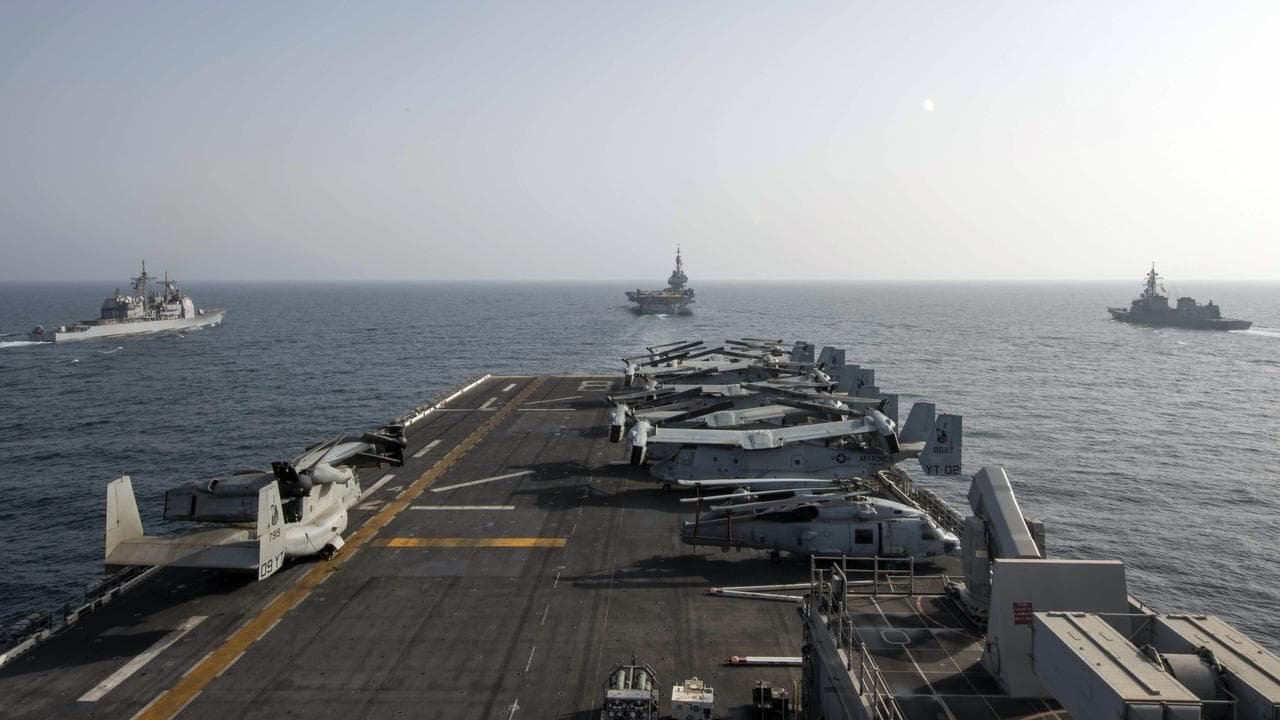
No. The Iran war is not over. President Donald Trump said on Monday that it is "effectively over" militarily, but there is no agreement, no ceasefire in force, and no American drawdown. The naval blockade of Iran's ports is still running, thousands of U.S. troops are still in place off Iran, and American forces carried out limited strikes on Iran at least twice in the past week.
Trump made the claim in a surprise visit to the White House briefing room on Monday, November 9, after meeting Qatar's prime minister, Sheikh Mohammed bin Abdulrahman bin Jassim Al Thani. "Iran militarily is effectively over," the president said, in the Associated Press report of the briefing. "We're just keeping it the status quo."
The plain reality is that a war does not end because one side declares the other side finished. The last ceasefire in this war took effect on April 8 and collapsed in early July, and none has been in force since. The blockade that began on April 13 still seals Iran's ports — on Saturday, the U.S. military fired on and disabled a commercial ship it says tried to breach it. A finished war does not need a blockade, a carrier force on station, or fresh strikes in the same week its end is announced.
What Trump claims is different. He says Iran has been "decapitated," that its neighbours — Qatar, Saudi Arabia, the UAE, Bahrain and Kuwait — want the status quo kept, and that there is "positive momentum" toward a deal. "They're talking to us, and they're talking very politely," he said. "And we'll see what happens." Qatar's prime minister said afterwards that the two had discussed "ways to progress the US-Iran talks" and that he was grateful for "the positive discussions on reaching a deal and bringing peace to the region."
"Iran militarily is effectively over. We're just keeping it the status quo."
Stated plainly, the common-sense test is this: a war is over when the fighting stops by agreement and the forces stand down — not while the blockade, the troop deployment and the target lists all stay exactly where they were. By that test, what changed on Monday was the president's description of the war, not the war.
The consequence is that both things now run at once. Oil markets heard the word "over" — Brent crude fell 5.5 percent on Monday as Trump met the Qatari prime minister, as our report on Monday's price plunge sets out — while the machinery that could restart the bombing never switched off. Trump told CNN on Sunday that resuming strikes was "highly unlikely" to be necessary if talks progress and Iran signs a "strong agreement," and in the same interview he said the U.S. had identified infrastructure targets, including 38 bridges, that it would strike if military action resumes. If the war is called over while every instrument of it stays loaded, the next question writes itself: what would actually end it — a signed deal, or simply the next order?
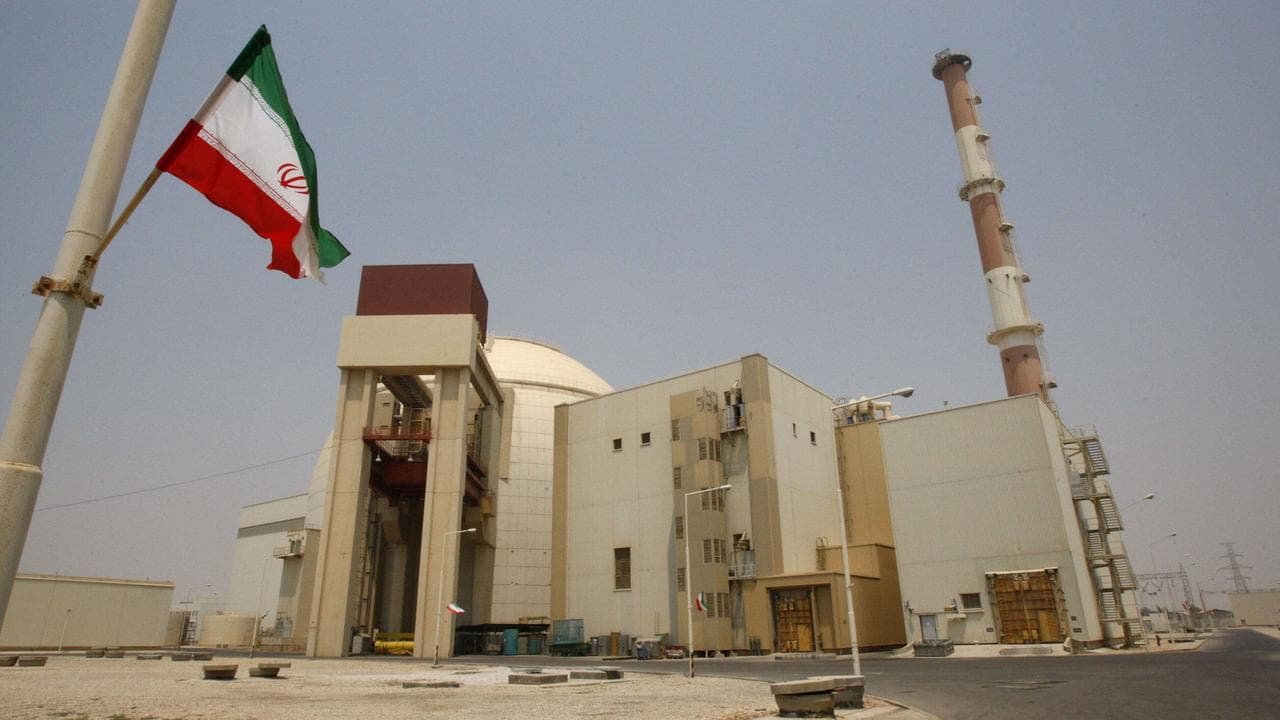
The details show how far a deal still is. Qatari officials presented proposals on Iran's nuclear program last week, the Associated Press reported, and Iran's core demands before it will engage in nuclear talks are the same ones it has held: end the blockade on its ports, lift sanctions, unfreeze its assets, pay compensation for war damage, and end hostilities across the region, including Israeli operations in Lebanon. Secretary of State Marco Rubio, leaving for a G7 meeting in Paris, said the talks had made no progress because Tehran's demands are "outrageous and ridiculous and really not realistic," warning, "I wouldn't say we're on the verge of a breakthrough" — the position we reported on Sunday. Iran answered Monday's remarks in the same spirit: Mohsen Rezaei, secretary of Iran's Supreme National Security Council, accused Washington of manufacturing "fake news about imaginary talks," while President Masoud Pezeshkian said Iran was open to negotiations but would not be coerced.
The war began on February 28, and the question of who can end it on the American side is a separate one — we answered whether Congress can stop the Iran war here. For now, the blockade stays by Trump's own order — "We're keeping it going. We have the greatest military blockade ever" — and so does the threat behind Monday's announcement: "The military action doesn't seem to be a very necessary thing, but we're locked and loaded, ready to go for any reason that changes."