What Does Losing Measles Elimination Status Mean?
Losing measles elimination status means measles is spreading non-stop inside the United States again. The status never meant zero cases. It meant the virus was not spreading continuously inside the country: a traveller could bring it in, a few people could get sick, and then the outbreak ended because the people around them were vaccinated. A country loses the status when the same strain of the virus keeps spreading, uninterrupted, for at least 12 months. That is the test set by the Pan American Health Organization, and on the reports out of Washington this week, the United States has now failed it after holding the status since 2000.
The plain reality is the numbers. The CDC's weekly update on November 13 put the 2026 case total at 5,412, up 230 in a single week, in the 14th straight week of a triple-digit rise. In the year 2000, the year the country was certified measles-free, the CDC reported 85 cases. State and local health departments have reported 10 measles-associated deaths in 2026. This is the worst American outbreak in more than three decades. The label is only catching up with what the numbers already say: measles no longer just visits America from somewhere else. It lives here again.
Washington's answer is that nothing changes. CDC Director Erica Schwartz told Reuters before the decision that if the United States lost the status, the agency would be doing "the same exact thing" it is doing now, including working with states and re-emphasising the MMR vaccine. The Department of Health and Human Services said national vaccination rates had declined before Secretary Robert F. Kennedy Jr. took office. Public health experts quoted by Reuters say his moves to reduce childhood immunisations have increased vaccine hesitancy and fuelled the country's highest infection rate in more than 30 years.
"It's a symbolic loss. It's a loss of standing. It's a loss of stature. It's a loss of achievement."
The principle is plain. A title like this is earned by results, not by history. It was given in 2000 because America had stopped the virus spreading at home. It is taken away for the same reason in reverse: the spread at home never stopped. One chain of the virus, followed through its genetic code, ran for more than a year — scientists in Utah published data showing one strain had circulated in that state for over a year and accounted for more than 95 percent of its cases.
The consequence is practical, not just symbolic. For ordinary people, measles is now a day-to-day risk that can reach them at home: Cleveland's public health director, Dr David Margolius, is telling residents to find proof of their measles vaccination, because without it a person exposed to the virus faces a blood test or a 21-day quarantine. Measles kills one to three people per 1,000 infections and hospitalises about one in five unvaccinated people who catch it. Two doses of the MMR vaccine are 97 percent effective, and a country needs about 95 percent coverage to keep the virus from spreading.
The details of the decision are these. A panel of eight independent experts reviewed the evidence in Washington for the Pan American Health Organization, the World Health Organization's arm for the Americas, at a meeting that ran through November 13. The Wall Street Journal reported on Friday that the panel's review had revoked the status, and a source close to the process confirmed the outcome to CNN the same day. PAHO had not published the decision in its own name on Friday night; its director, Jarbas Barbosa, makes the final call, and the formal announcement is expected on Tuesday, November 17, according to NBC News and CIDRAP. Canada lost the same status in November 2025, and Spain and the United Kingdom have also lost it recently.
There is a way back, and it is the same road that earned the status the first time. To regain it, the United States must stop the continuous spread and then go at least 12 months without it. Brazil lost its status in 2019 and got it back in 2024. That road runs through vaccination, and nothing else.
Our earlier report on the loss itself is here: America Loses Its Measles-Free Title After 26 Years.
As Brown University epidemiologist Jennifer Nuzzo put it to CIDRAP News: "It's a symbolic loss. It's a loss of standing. It's a loss of stature. It's a loss of achievement."
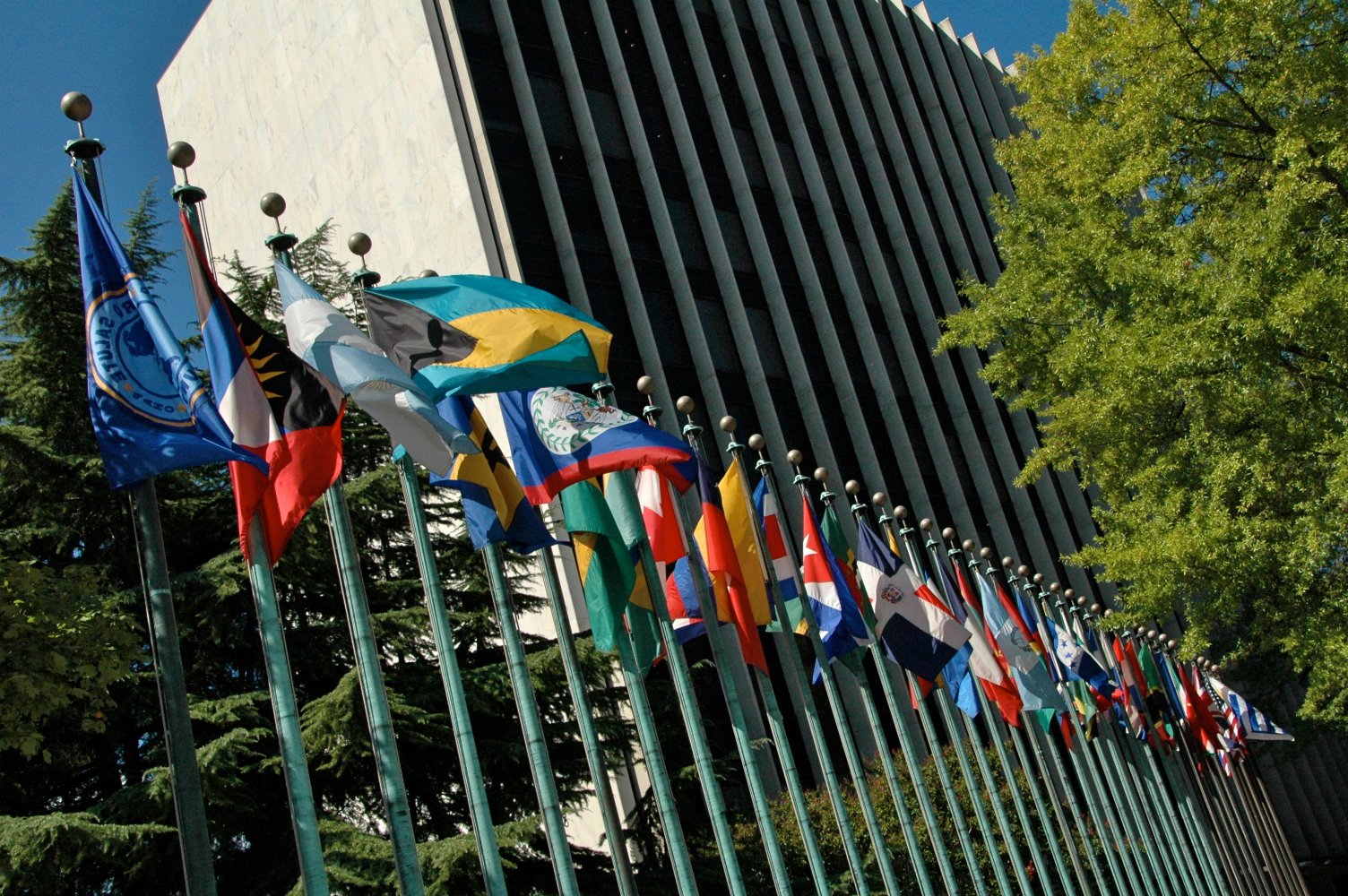
The Pan American Health Organization headquarters in Washington, DC, where the review panel met. Photo: PAHO / Flickr, via CIDRAP.