What Is Habibi PAC?
Habibi PAC is the new leadership political action committee of Michigan Senator-elect Abdul El-Sayed. He registered it with the Federal Election Commission on Thursday, November 5, two days after winning Michigan's U.S. Senate race. It is not his campaign committee and it cannot be used to fund his own election: a leadership PAC exists to raise money for other candidates and political organisations, and El-Sayed's filing says this one is designed to raise funds to support political allies and build his influence within the Democratic Party, The Hill reported.
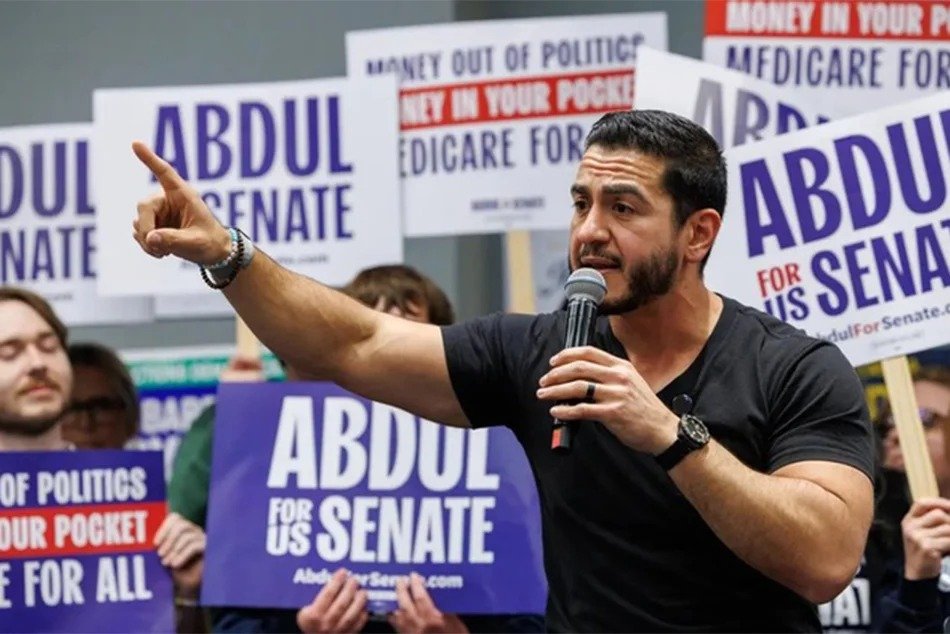
The plain reality is the gap that makes people type the question. Leadership PACs are a normal Washington tool — OpenSecrets counted $79.3 million given to federal candidates by leadership PACs in the 2024 cycle — but El-Sayed did not win as a normal Washington candidate. He won campaigning against the influence of money in politics, as the first Muslim ever elected to the U.S. Senate, and told his supporters on election night, in the words reported by IB Times, "We showed that in a battle between the money and the many that the many really can win." The record says money is the problem. The reality, five days into his new career, is that one of his first acts in Washington life is to open a money vehicle of his own.
What El-Sayed claims for it is influence for his allies, not for himself. The committee is separate from his Senate campaign, its money is meant for other Democratic candidates and causes, and he is not the only newcomer doing it: Al Jazeera reported that several newly elected Democrats have registered leadership PACs since Tuesday's vote, including Amish Shah's PACStreet Boy, Josh Turek's WheelPAC and Roy Cooper's One NC PAC. The name itself is his campaign made permanent. Habibi is Arabic for "my beloved" or "my dear," his supporters wore "Habibi for Abdul" shirts, and he aimed the word at the vice president in his Detroit victory speech.
"JD, habibi — there is this delicious irony in the fact that you're constitutionally obligated to swear me in in January." — Abdul El-Sayed, victory speech, on Vice President JD Vance
Stated plainly, money given to other politicians is never a gift with nothing attached. A donation from a senator's PAC is remembered on the day that senator needs a vote, a co-sponsor or a friend in a leadership fight. That is the whole point of the instrument, whichever party uses it: influence is built by being the person who helped pay for other people's wins.
The consequence follows from that. El-Sayed arrives in the Senate in January with more than one vote's worth of leverage — a fundraising list, a national profile from a race the country watched, and now a committee that can turn both into support for allies across the map. The FEC filing does not name a fundraising target or the beneficiaries he intends to help; that will only show in the PAC's later disclosures, which is also where voters will be able to judge whether Habibi PAC funds the grassroots politics he promised or the ordinary traffic of Washington. If the many really beat the money in November, why does the winner need a PAC of his own before he has even been sworn in?
The details that matter are these. El-Sayed, 42, a former public health official whose parents immigrated from Egypt, defeated Republican Mike Rogers on November 3 to hold Michigan's seat for the Democrats and make history as the first Muslim American elected to the Senate — the win we reported here. His campaign centred on health care and affordability, backed Medicare for All, criticised U.S. military aid to Israel, and made limiting wealthy donors and corporations a central theme, even as he was attacked over his faith — President Trump called him a "jihadist," a claim made without evidence. He takes office in January, when Vance, as president of the Senate, is expected to administer his oath. His strongest line about what the PAC's name means came in that same victory speech: "JD, habibi — there is this delicious irony in the fact that you're constitutionally obligated to swear me in in January."