When Is Tyler Robinson's Trial?
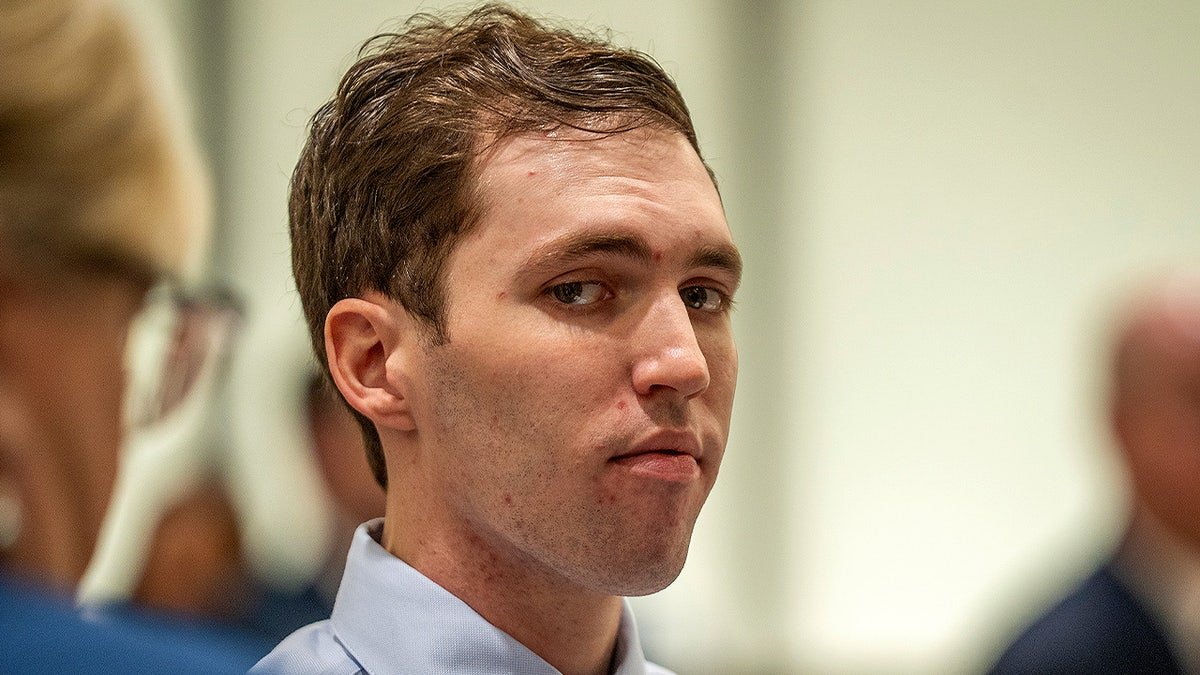
Tyler Robinson's trial is set for the summer of 2028. Utah District Judge Tony Graf ruled on Monday that jury selection will begin on June 21, 2028, and he has set aside 105 court days for the trial of the 23-year-old accused of assassinating Charlie Kirk. Kirk was shot on September 10, 2025, as he spoke to several thousand people at Utah Valley University, and Robinson, who turned himself in a day later, has pleaded not guilty to aggravated murder and could face the death penalty if convicted.
The plain reality is the gap between the promise and the calendar. The Constitution promises a speedy trial, the case is already more than a year old, and the trial itself will not reach a jury until nearly three years after the killing — that gap is exactly why people are asking when this trial will ever happen. Judge Graf says the dates balance Robinson's right to prepare his defence with the rights of Kirk's widow, Erika Kirk, to a speedy resolution. The Kirk family calls the same ruling a delay, and says every additional day without justice prolongs their pain. The defence claims the opposite danger: that rushing a capital case produces mistakes. President Trump, who demanded last month that Robinson be tried "within a month," claims the judge is simply taking forever. The common-sense principle underneath all of it is that a date on a calendar is not justice by itself — a verdict that arrives so late the country has stopped believing in it fails the family, and a rushed verdict that collapses on appeal fails them twice. The consequence is now fixed in the record: Robinson waits in jail, the family waits until 2028, and a fight over moving the trial out of Utah County is still to come. If a case watched by the whole country takes three years to reach a jury, what does a speedy trial mean for a case nobody is watching?
"The reality is, rushing to trial does not equal closure. It leads to mistakes… it leads to having to do this again." — defence attorney Staci Visser, arguing against the prosecution's timeline
The details that matter are these. Robinson has pleaded not guilty to seven counts, Reuters reported, including aggravated murder, felony use of a firearm, committing a violent offence in the presence of a child, witness tampering and obstruction of justice, and prosecutors intend to seek the death penalty. The three timelines put before the judge show how far apart the sides were: prosecutors said they could be ready by October 2027 and proposed January 31, 2028, expecting a 17-week trial and unwilling to run it through the Thanksgiving and Christmas holidays; the defence proposed the third quarter of 2029 and expects the trial itself to run six to seven months; Erika Kirk's attorney, Jeffrey Neiman, asked for a start next October and told the judge a summer 2028 trial, three years after the assassination, does not feel very speedy to the family. Graf landed between them, and the size of the job explains part of his reasoning: the defence must sift through tens of thousands of files, investigate Robinson's life for factors that could affect his sentence, and survey whether an impartial jury can even be seated in Utah County — the judge has ordered a pool of 3,600 prospective jurors to fill out an extensive questionnaire, and he will hear arguments about moving the trial next December. Prosecutors allege Robinson targeted Kirk for his political beliefs, citing a bullet engraved "Hey Facist! CATCH!" and a text in which Robinson wrote of Kirk: "I had enough of his hatred. Some hate can't be negotiated out." Trump, who had already attacked Graf over the pace of the case — demanding the trial be held within a month, not three years — wrote on Truth Social: "This case should be tried within a month, not three years — and it should be over with. JUSTICE FOR CHARLIE!"
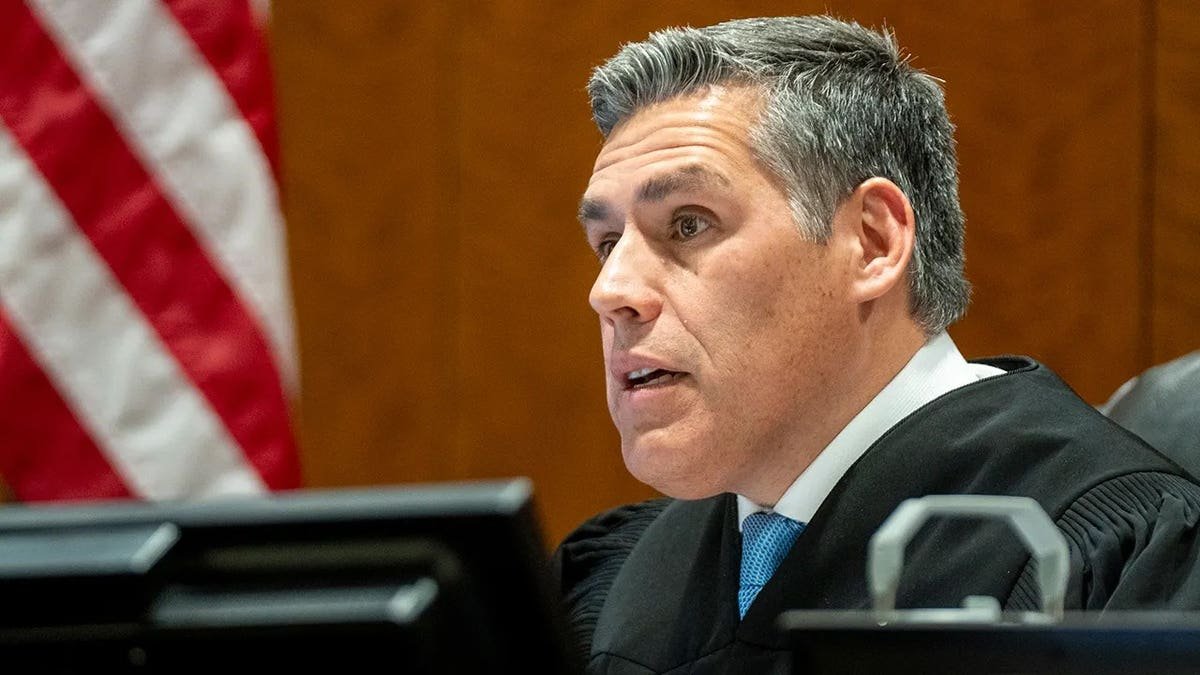
Graf had the last word on why the date is what it is: "This trial setting and case management order's intent is to ensure that the constitutional rights of Mr. Robinson and Mrs. Kirk are upheld at every junction, each party is treated with the dignity and respect they are due, as they are human beings, and that the Sixth Amendment right is protected."