Which Trump Officials Have Moved Onto Military Bases?
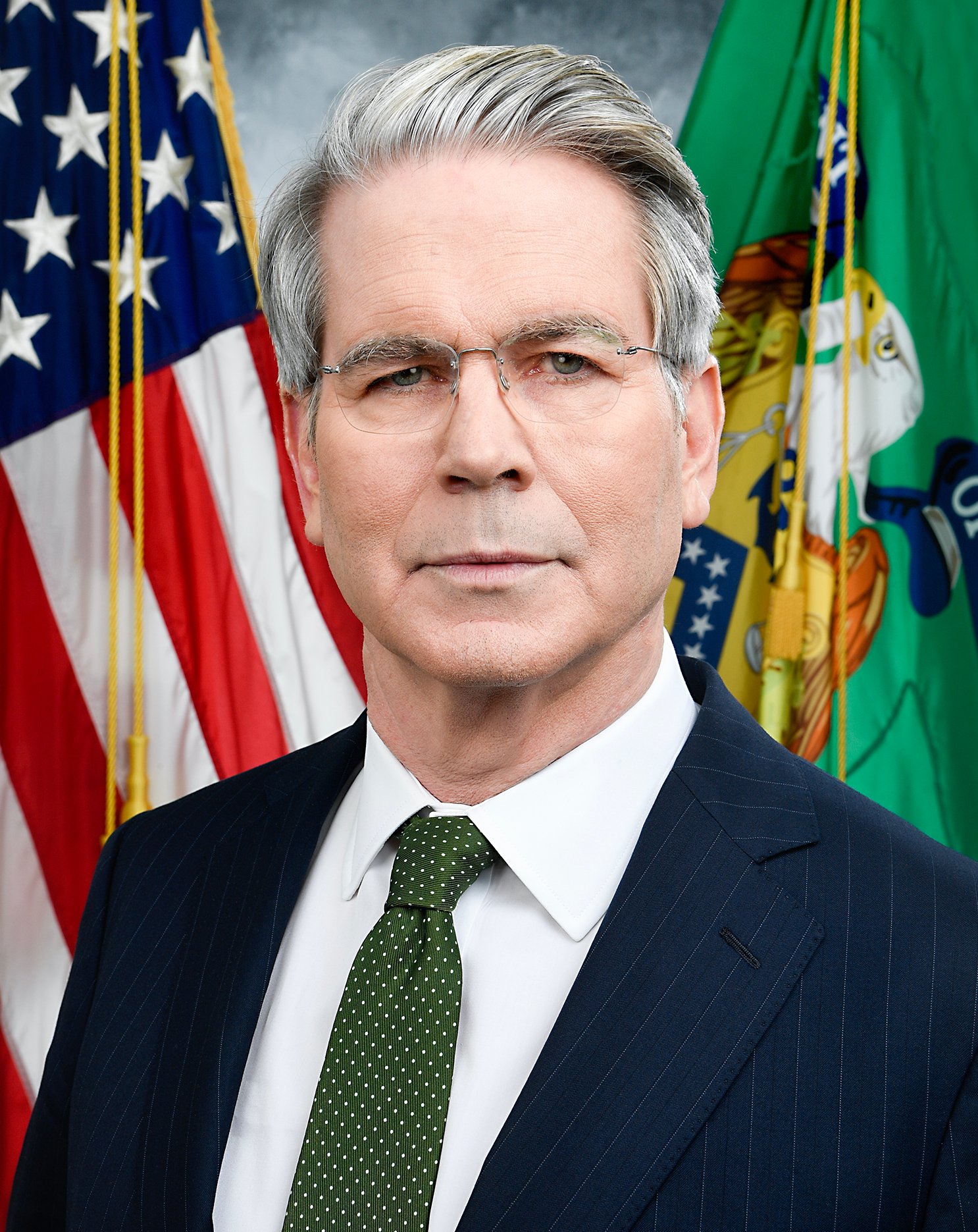
Five senior Trump officials are named in the reporting: Treasury Secretary Scott Bessent, the latest to move; Secretary of State Marco Rubio; Secretary of Defense Pete Hegseth; White House chief of staff Stephen Miller; and former Attorney General Pam Bondi. And the true number is higher than the named list — The New York Times reports that at least half a dozen officials moved onto military bases or other protected housing last year alone, and the administration has never published a full count.
Bessent's move is the fresh fact. Reuters reported on Tuesday, November 10, that he recently moved out of his Washington, DC residence and onto a US military base after Iranian threats against his life — the story our newsroom covered overnight. The New York Times, which first reported the move, said the severity of the threats to him was not immediately clear.
The plain reality is that the men and women running the United States government are supposed to live in the capital, in houses on ordinary streets, like every administration before them. The reality on the ground in November 2026 is that a row of them now sleep behind military gates guarded by soldiers. That gap — between how Washington is supposed to work and where its top officials actually spend the night — is the whole story, and it is why people are asking who exactly has moved.
The administration's claim is that this is protection, not retreat. A Treasury spokesperson said Bessent would not be moved off his mission by the threats, and a source familiar with the matter pointed the finger at exposure: security concerns around Bessent rose after the Wall Street Journal published an aerial photograph of the Georgetown mansion he bought for $12.5 million shortly after his confirmation in January 2025, a photo that let the home be geolocated.
"The secretary will not be deterred by the Iranian regime's threats and remains committed to executing Operation Economic Outcast and maintaining the blockade, which together are collapsing Iran's economy."
The common-sense principle is simple enough: when the officials running a pressure campaign against another country cannot safely live in their own homes, the conflict is no longer only over there. Bessent is not a bystander to the Iran war — since August he has run Operation Economic Outcast, the sanctions and economic-pressure campaign meant to collapse Iran's economy and force Tehran to end its attacks on shipping and reopen the Strait of Hormuz. That job, the reporting says, is precisely what made him a target.
The consequence is a government making decisions about Iran while personally in Iran's sights. A senior intelligence official warned in a memo seen by Reuters late last month that Iranian plots against US personnel and American citizens had reached an advanced stage. Iran has previously denied plotting to attack officials and people on US soil, and US officials themselves note Tehran's ability to carry out large-scale attacks inside the United States is limited — but targeted threats against named individuals have been deemed serious, and not every official's threats even involve Iran: Bondi's were said to be tied partly to the fallout from the US capture of Venezuela's Nicolás Maduro. If the list of officials living on bases keeps growing, at what point does Washington have to say plainly how many of its leaders it can no longer protect in their own homes?
The details that matter are these. Miller, now chief of staff, and Bondi, then attorney general, are the two names the Times gives for last year's group of at least six. Rubio and Hegseth are named by the Times' reporting as having moved onto military bases as well. No agency has confirmed a roster, no base has been publicly named for any of them, and the administration has not disclosed the scope of the threats against its top officials. The strongest statement any of them has made about it remains the Treasury's, on Bessent: "The secretary will not be deterred by the Iranian regime's threats."