Who Is Cole Tomas Allen?
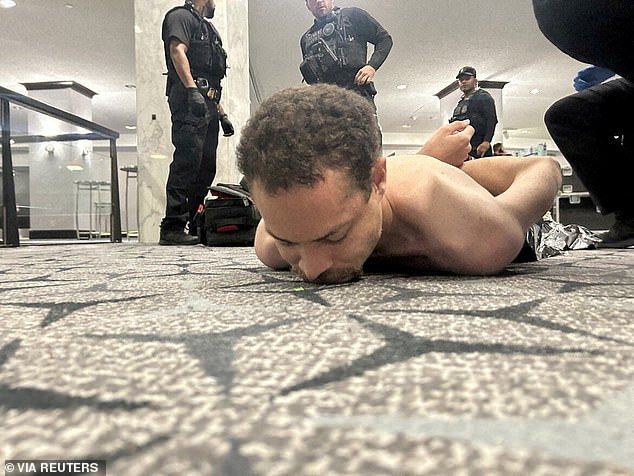
Cole Tomas Allen is the 31-year-old man from Torrance, California, accused of trying to assassinate President Donald Trump at the White House Correspondents' Dinner. Prosecutors say that on April 25, 2026, he charged through a Secret Service checkpoint at the Washington Hilton carrying a shotgun, a pistol, knives and ammunition, fired at a Secret Service officer, and tried to reach the ballroom where the president was seated. On Friday, November 13, a federal grand jury added a terrorism charge, bringing his case to five counts, as we reported today in our story on the new charge.
The plain reality is in the court record. An FBI affidavit unsealed on April 27 says Allen traveled across the country by train, bought the pistol from a California dealer in October 2023 and the shotgun from another dealer in August 2025, and sent writings to relatives shortly before the attack railing against Trump administration policies. The officer he is accused of shooting was struck once in a bullet-resistant vest and fired five shots that hit no one; Allen was injured in the encounter, but not by gunfire. President Trump, First Lady Melania Trump and Vice President JD Vance were taken to safety, and no one suffered major injuries.
What each side claims is now the fight in the case. Prosecutors, in the words of the U.S. Attorney's Office for the District of Columbia, led by Jeanine Pirro, allege that Allen "attempted to kill the President of the United States, Donald J. Trump." Allen's defense team contests that theory of intent: in court papers his attorneys argue the assassination charge rests on inferences about his state of mind that "raise more questions than answers," and that the writings in question do not name Trump.
"Attempted to kill the President of the United States, Donald J. Trump."
The common-sense principle is plain, and it cuts both ways: an indictment is a formal accusation, not a conviction. Allen is presumed innocent unless prosecutors prove his guilt beyond a reasonable doubt — and the graver the charge, the more that proof, not the headline, has to carry.
The consequence of Friday's filing is time and exposure. The new count — an act of terrorism while armed, brought under the D.C. Code, because there is no federal statute specifically covering domestic terrorism, NBC News reported — carries a maximum of life in prison, on top of an attempted-assassination count that already carries life. Allen pleaded not guilty to the original charges on May 11 and, NBC News reported, pleaded not guilty to the terrorism charge on Friday. And it leaves the question that follows from it: if the trial does not begin until September 2027, how long can a case this serious rest on accusations the public has not yet seen tested?
The details that matter are these. The five counts are attempting to assassinate the president; assaulting a U.S. officer or employee with a deadly weapon; transporting a firearm and ammunition in interstate commerce with intent to commit a felony; discharging a firearm during a crime of violence; and the new terrorism count. The weapon named in the coverage is a Mossberg Maverick 88 12-gauge pump-action shotgun. Allen is due back in court on December 4 for a status conference, and jury selection before U.S. District Judge Trevor McFadden is set for September 7, 2027, with the trial expected to last three to four weeks. The dinner itself was held again in late July, moved to another Washington hotel.
In the writings investigators attribute to him, Allen gave himself the name prosecutors keep coming back to — he called himself a "Friendly Federal Assassin."