Who Is the President of Paraguay Now?
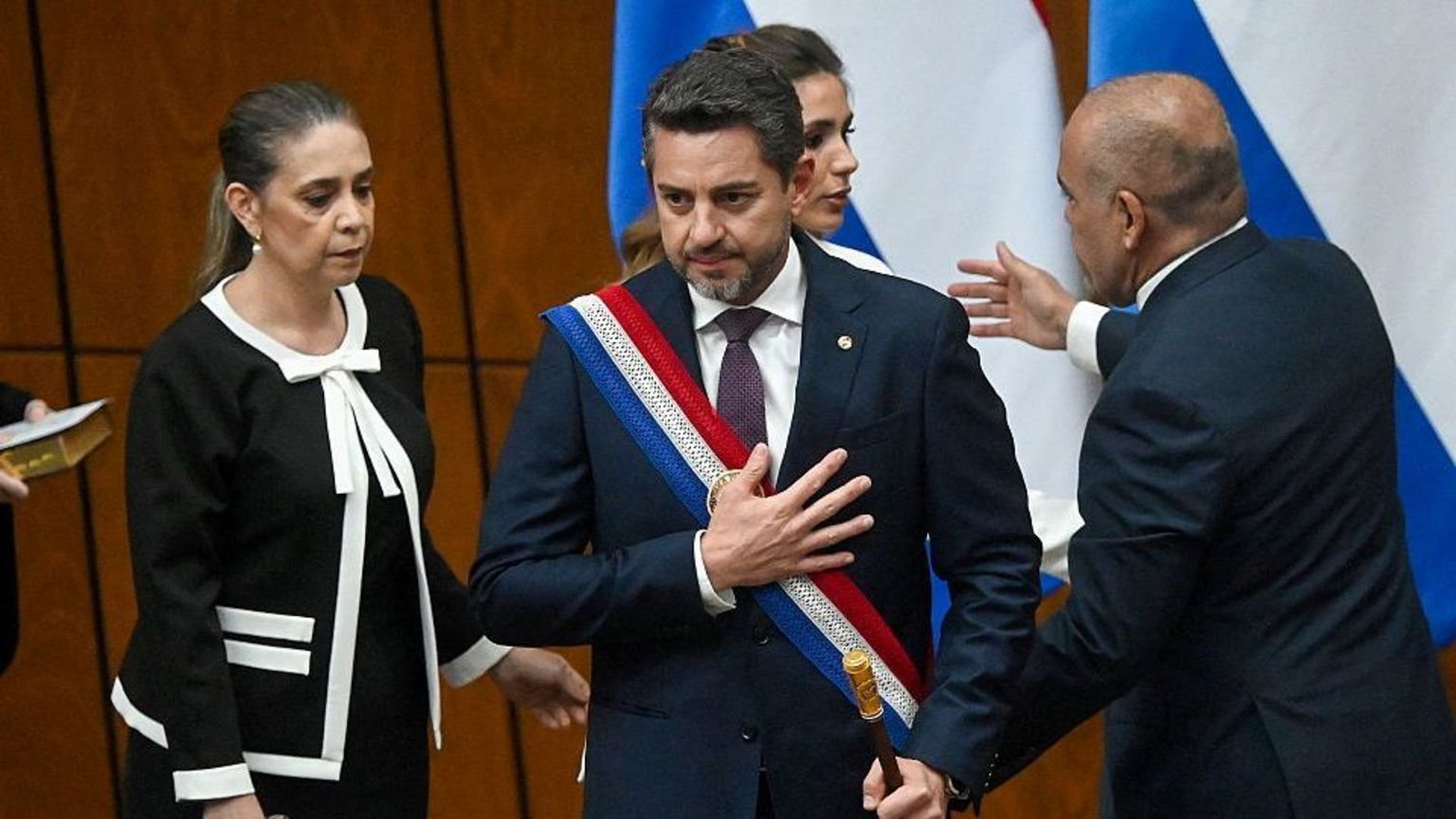
Pedro Alliana is the president of Paraguay now. The former vice president was sworn in on Friday, November 6, hours after the Senate removed President Santiago Peña from office over the collapse of the digital bank Ueno, and Alliana will serve out Peña's term through August 2028, Reuters reported.
The plain reality is how fast a presidency ended once the bank fell. Ueno was seized by Paraguay's central bank this week, leaving an estimated three million depositors — more than half the country's population — unable to reach their savings, and protests filled the capital, Asunción. Peña offered his resignation on Thursday, but Congress refused to accept it: the lower house voted 78-0 to impeach him — the fall we traced on the blog in our account of Peña's resignation and first impeachment vote — and on Friday the Senate convicted him, 44 of 45 senators voting to remove him for dereliction of duty, with one lawmaker absent. By impeaching him instead of accepting his resignation, Congress stripped him of the immunity ex-presidents usually keep, the BBC reported, and within the hour he was under house arrest.
What the new president claims is that the savers come first. Alliana, 52, a longtime politician of the ruling Colorado Party — Peña's own party — took the oath on Friday and told the country its people would be made whole. Peña, for his part, denies wrongdoing: he has said the bank's problems were a regulatory matter, told the nation on Thursday that "it was never my intention to betray the trust you placed in me," and his defence lawyer, Ricardo Preda, has called the allegations a "reckless accusation" that was "irresponsible and opportunistic."
"Compatriots who are now going through a difficult time as a result of the financial collapse will be fully compensated."
That promise, from Alliana's first address as president, runs against the common-sense problem at the centre of the scandal. The impeachment charges alleged that Peña held a conflict of interest — he was a shareholder in Ueno's holding company until March 2025 — manipulated regulatory oversight, diverted pension funds and took part in an institutional cover-up involving the central bank. A president who owns a piece of the bank his own regulators are supposed to police is not a bystander when that bank fails; he is the conflict the system exists to prevent. The consequence arrived on Saturday, November 7: prosecutors charged Peña with breach of trust and administration for personal gain and asked a court to jail him pending trial, each charge carrying up to 10 years, Reuters reported. Former central bank chief Carlos Carvallo — who had headed Ueno itself until 2023 — was charged alongside him. Which raises the question now sitting over Asunción: can a president from Peña's own party, sworn in by the same Congress that removed him, deliver the clean-up he has promised the savers?
The details that matter are these. The central bank said on Saturday that the equivalent of $160 million had been paid out to nearly 1.2 million savers under the state deposit guarantee scheme — real money moving, but against some three million frozen accounts. Prosecutors allege Peña used the presidency to influence government agencies and state-owned entities to keep large amounts of public money deposited at Ueno despite his financial ties to the lender. Senator Rafael Filizzola called it "the biggest corruption scandal in our democratic history." Peña appeared at the Attorney General's Office on Saturday to face prosecutors, a day after his removal.
Alliana's own words are where the new presidency starts: "Compatriots who are now going through a difficult time as a result of the financial collapse will be fully compensated."