Who Is Will Scharf?
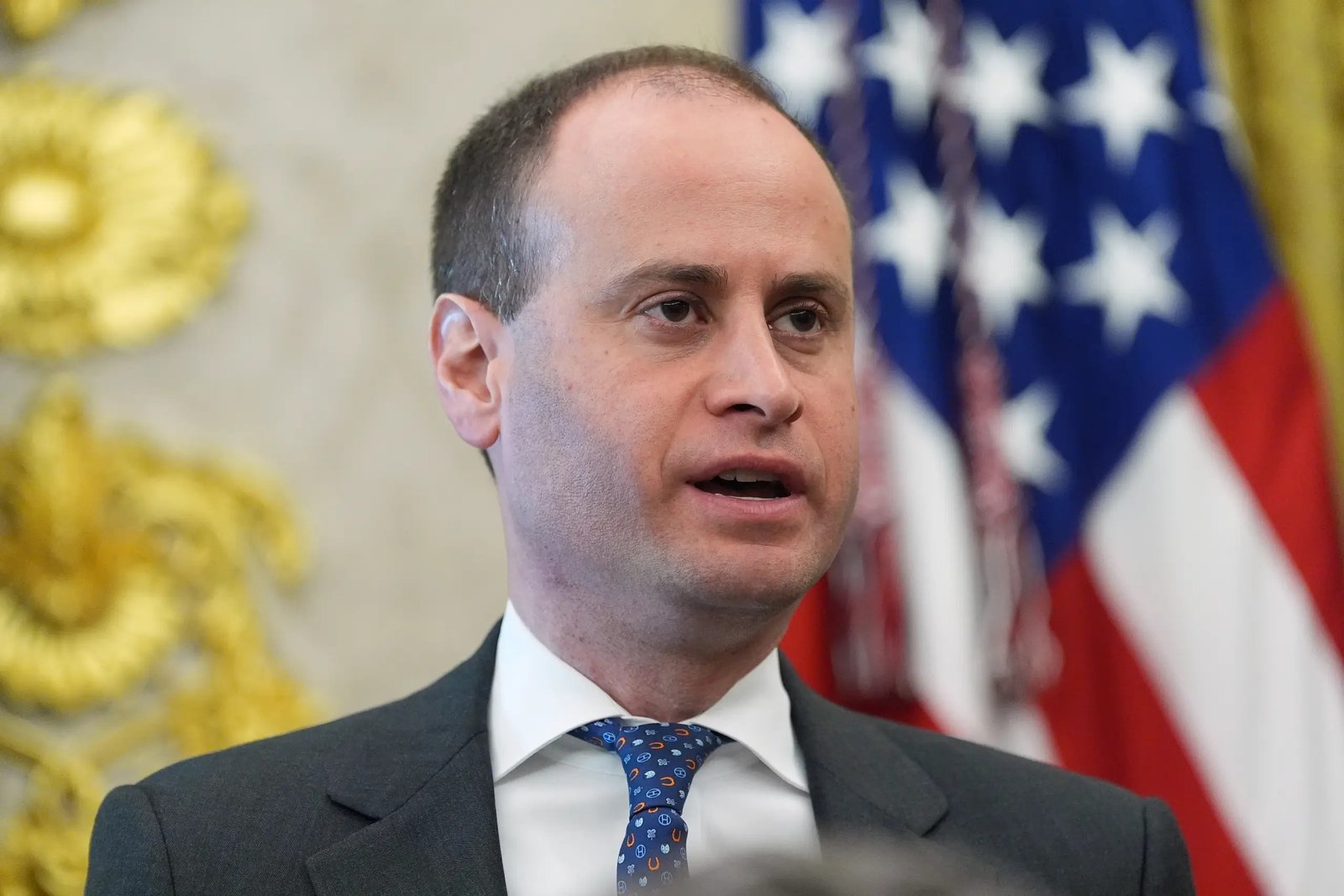
Will Scharf is the White House counsel — President Trump's top in-house lawyer, in the job since September 1, 2026. He is the man who wrote the letter, dated Monday, November 9, warning incoming House Oversight Chairman Robert Garcia that the investigations Democrats are planning for January could, in his words, cross the line into criminality. That letter, obtained by Punchbowl News and reported on Wednesday by The New York Times, CNN and Politico, is why his name is suddenly the one people are searching.
The plain reality is that Congress does not need the White House's permission to investigate it. Oversight is part of the legislative job itself, and the Supreme Court case Scharf's own letter leans on — Trump v. Mazars USA — was decided 7 to 2 the other way on the core point: a congressional investigation into a president's finances could still be legitimate, and the Oversight Committee was ultimately allowed to subpoena records from Trump's own accountants. Against that record stands the reality of this week: before the new majority has issued a single subpoena, the president's lawyer has already told the incoming chairman that the process itself may be a crime.
What Scharf claims is narrower on paper. Congress, he wrote, must identify a legitimate legislative purpose for its investigations, and process used to punish, intimidate or abuse officials is not oversight at all. Garcia, for his part, has already set out what the probes will cover — including Elon Musk over the DOGE firings of federal workers — and answered Wednesday that Congress' authority comes from Article I of the Constitution, not from the permission of the White House.
"The Administration will not be extorted and will not be cowed by unlawful process motivated by animus, pettiness, hatred, or any other unlawful motive to intimidate, penalize, or interfere with the lawful functioning of government."
The common-sense principle underneath it is simple: an investigation that only proceeds when the people being investigated approve of it is not an investigation. Every majority in living memory has been accused by the other side of investigating for politics instead of lawmaking — Democrats said it about the Benghazi hearings, Republicans say it about Garcia's plans now — and the system has always settled that argument in the open, in committee rooms and in court, not by one side declaring the other's questions criminal in advance.
The consequence is that the fight over the new Congress's oversight is starting two months before the new Congress does. Garcia says his committee will not be deterred and will go to subpoenas; the White House has put its legal theory in writing early, which means the first real subpoena in January is likely to be answered with the argument already drafted in this letter — and decided by judges, on the Mazars ground Scharf himself chose. If an investigation can be treated as a crime before it has asked its first question, the question that follows is who is left to check a president at all.
The details explain why Trump put this particular lawyer in this particular chair. William Owen Scharf, 40, was born in New York City in 1986, graduated from Princeton in 2008 and from Harvard Law School in 2011, clerked for two federal appeals court judges, and served as an assistant U.S. attorney in Missouri from 2020 to 2022 prosecuting violent crime. In Trump's first term he worked on the confirmations of Justices Brett Kavanaugh and Amy Coney Barrett. Out of office, he ran for Missouri attorney general in 2024 and lost the Republican primary — then joined Trump's personal legal team in October 2023 and stood as one of his lawyers in the election-interference case that produced the Supreme Court's presidential immunity ruling.
Most Americans have already seen him without knowing his name. As White House staff secretary from January 2025, Scharf was the aide standing at Trump's side at signing after signing, handing him the leather-bound executive orders one by one and narrating what each one did. He also chairs the National Capital Planning Commission, the body that approved Trump's $400 million White House ballroom. In August, Trump moved him up to replace David Warrington as counsel, effective September 1 — the office that advises the president on executive orders, judicial nominations, pardons and, above all in the two years ahead, congressional investigations and the lawsuits that come with them.
Scharf closed his letter to Garcia on the line the whole argument now turns on: "The Administration will not be extorted and will not be cowed."