Who Were Mississippi's First Two Black Senators?
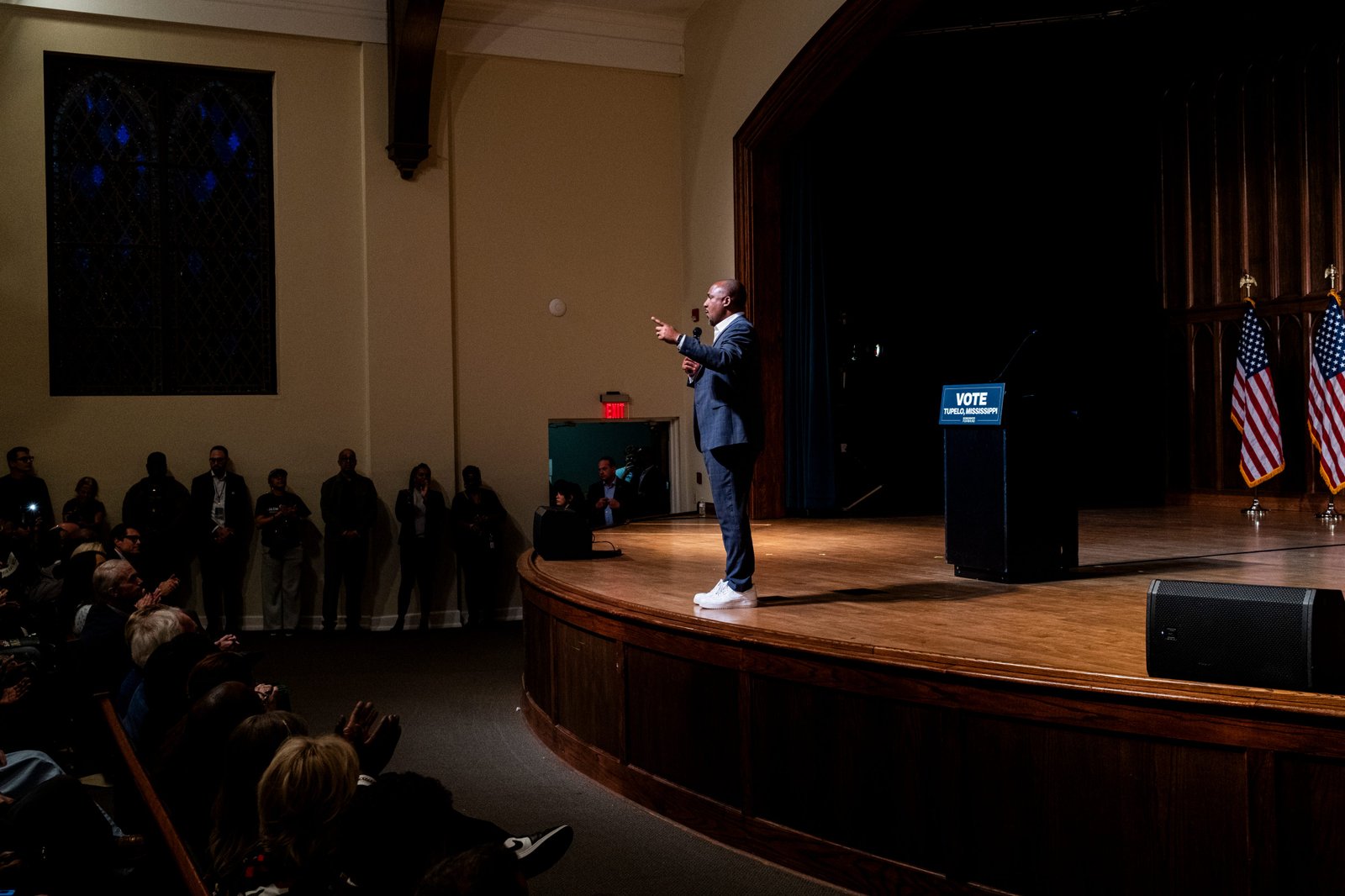
The first two were Hiram Rhodes Revels and Blanche Kelso Bruce — both from Mississippi, both sent to the United States Senate during Reconstruction, more than 145 years before Scott Colom's victory this week made him the third.
Revels took the oath of office on February 25, 1870, becoming the first African American ever to sit in the United States Senate, according to the Senate Historical Office. Bruce followed him in 1875 and served a full six-year term to 1881 — the first African American to do so, and the first to preside over the Senate, in 1879. When Bruce's term ended, Mississippi did not send another Black senator to Washington until Colom won this race.
The plain reality is written in the record itself. Mississippi — the state with one of the largest Black populations in America — put the first Black senator in the nation's history into the chamber in 1870. The reality that followed is that it then went 145 years without doing it again, through all the decades when Black Mississippians were pushed out of voting and out of public life altogether.
Colom, a 43-year-old district attorney from Columbus, framed his own campaign in exactly those terms, saying during the race: "Mississippi has never been a lost cause, we've been a betrayed cause."
Mississippi has never been a lost cause, we've been a betrayed cause. — Scott Colom
The common-sense principle is plain: a right that disappears for 145 years was not misplaced by accident. It was taken away piece by piece, and it only comes back the same way — piece by piece, election by election.
The consequence is that Colom's win is not only a Senate seat changing parties. The Associated Press called the race after Hinds County finished counting its affidavit ballots, with Colom leading Cindy Hyde-Smith by 4,669 votes — 473,336 to 468,667 — in the closest Senate race in the country, and our report on the AP call sets out how the count finished. Hyde-Smith conceded, counties certify on November 13, and the secretary of state declares the final result on December 3.
The details matter here, because they are what make Colom's win different from the two men he now follows. Revels and Bruce were both chosen by the Mississippi legislature, as every senator was before the Constitution was changed in 1913 — Revels was picked to fill the seat Jefferson Davis had vacated when Mississippi seceded, served until March 3, 1871, and then went home to become the first president of Alcorn College. Bruce, who was born enslaved in Virginia and escaped during the Civil War, was elected by the legislature in 1874 to the full term he served from 1875. Colom is the first of the three to be chosen directly by Mississippi's voters at the ballot box, and the first Democrat to win a Senate seat in the state since 1982. In all, 17 African Americans served in Congress during Reconstruction — 15 in the House and only these two in the Senate — and after Bruce, no Black American reached the Senate from any state until Edward Brooke of Massachusetts took office in 1967.
So the question that follows from this one is simple: if Mississippi could send a Black senator to Washington in 1870, why did its own voters have to wait until 2026 to choose one themselves?