Why Did ICE Detain a Wisconsin State Trooper Who Had a Valid Work Permit?
ICE detained Wisconsin State Patrol Trooper Carel Aaron Van Der Merwe because, in the Department of Homeland Security's own words, a work permit is not legal status. Van Der Merwe holds federal work authorization valid through 2030, but DHS says he entered the United States in March 2019 with permission to stay only until September 2019 and overstayed that admission — and that neither the work permit nor his family's pending asylum application protects him from removal.
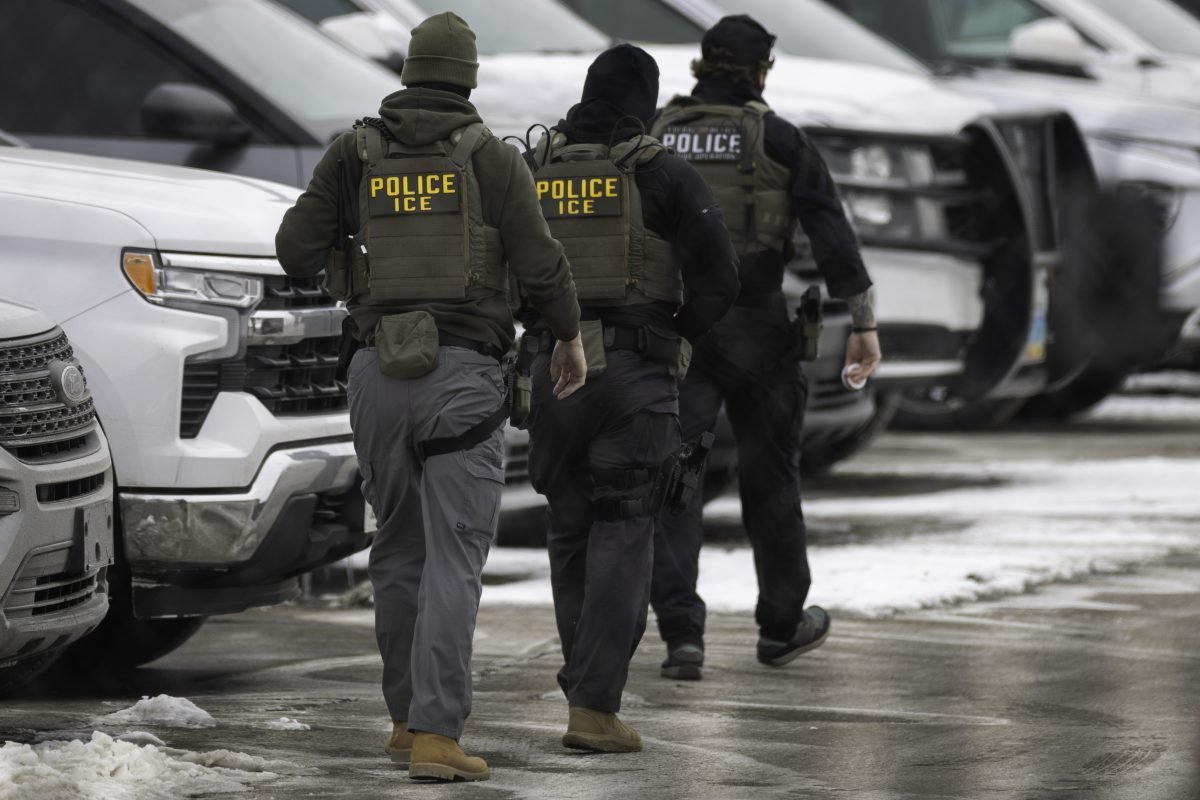
The plain reality is two sets of federal papers pointing in opposite directions. On one side stands a 21-year-old trooper: brought from South Africa at 14, included in his father's asylum application, which the family filed in 2019 and has waited seven years to have heard, federally authorized to work until 2030, and employed by the Wisconsin State Patrol since July 13, 2025, working out of the Tomah post, as the Wisconsin Department of Transportation confirmed to WMTV. On the other side stands what happened to him on Thursday, November 5: after he passed through security at Dane County Regional Airport in Madison for a domestic flight to visit his parents in New Mexico, ICE agents handcuffed and shackled him, his attorney Marc Christopher said, and took him to the Dodge County Detention Facility. That gap — a man lawful enough to wear a state uniform and carry a federal work permit, and removable enough to be shackled at an airport — is why people are asking the question at all.
What the government claims is narrow and legal. A Department of Homeland Security spokesperson said Van Der Merwe "entered the country in March 2019 with legal permission to stay until September 2019" and, "in defiance of our nation's laws, he overstayed his admission," adding the sentence this whole case turns on:
"Work authorization or a pending application do not confer legal status in the U.S."
DHS called the arrest a targeted enforcement operation. His attorney claims the opposite picture of the same man: Christopher called the detention "absurd and ridiculous" and said the trooper and his family "have been here lawfully — they have been waiting for their application to be adjudicated and to be decided by immigration." The Wisconsin Law Enforcement Association sided with the trooper, its president James Tobin saying the incident created uncertainty for Van Der Merwe, his family and his colleagues and calling for fair treatment and due process as the case is reviewed.
The common-sense principle, stated plainly, is that a permit to work is not a promise that you can stay. One part of the federal government examined this man and handed him authorization to work until 2030, and another part of the same government can still arrest him for having no status underneath it. Both papers are real. The permit answers the question "may he hold a job?" — it was never an answer to "may he remain?"
The consequence is that he is free, but only on conditions, and his case is not over. Van Der Merwe was released on Friday, November 6 under an order of supervision, after Rep. Derrick Van Orden's office contacted DHS Secretary Markwayne Mullin about the case, according to the Milwaukee Journal Sentinel's reporting. He must check in regularly with ICE and remain subject to monitoring, and he still has to defend himself before an immigration judge in removal proceedings that will decide whether a serving state trooper is deported to South Africa. The detention also lands as House Democrats prepare to widen their probes of ICE when they take control of Congress in January. If a work permit valid for four more years and seven years of waiting for an asylum hearing can still end in handcuffs at an airport, what exactly does the permit promise the next person holding one?
The details that matter are these. Van Der Merwe came to the United States with his family in 2019, attended school in New Mexico, and graduated with a criminal justice degree; his attorney said he wanted to serve in the U.S. military but could not because he is not a permanent resident, so he joined the Wisconsin State Patrol instead, in July 2025. He was travelling to visit his parents when agents stopped him just after airport security. His release does not clear him: the order of supervision keeps him reporting to the same agency that arrested him while his removal case — riding on the same asylum application his family has waited seven years to have heard — goes before a judge. His attorney's first concern, he said, was not the law but the man: "I just told him I want him to get back, get re-acclimated, just get settled because I know he's gone through a very dramatic experience."