Why Did the Justice Department Join Texas's Lawsuit Against Planned Parenthood?
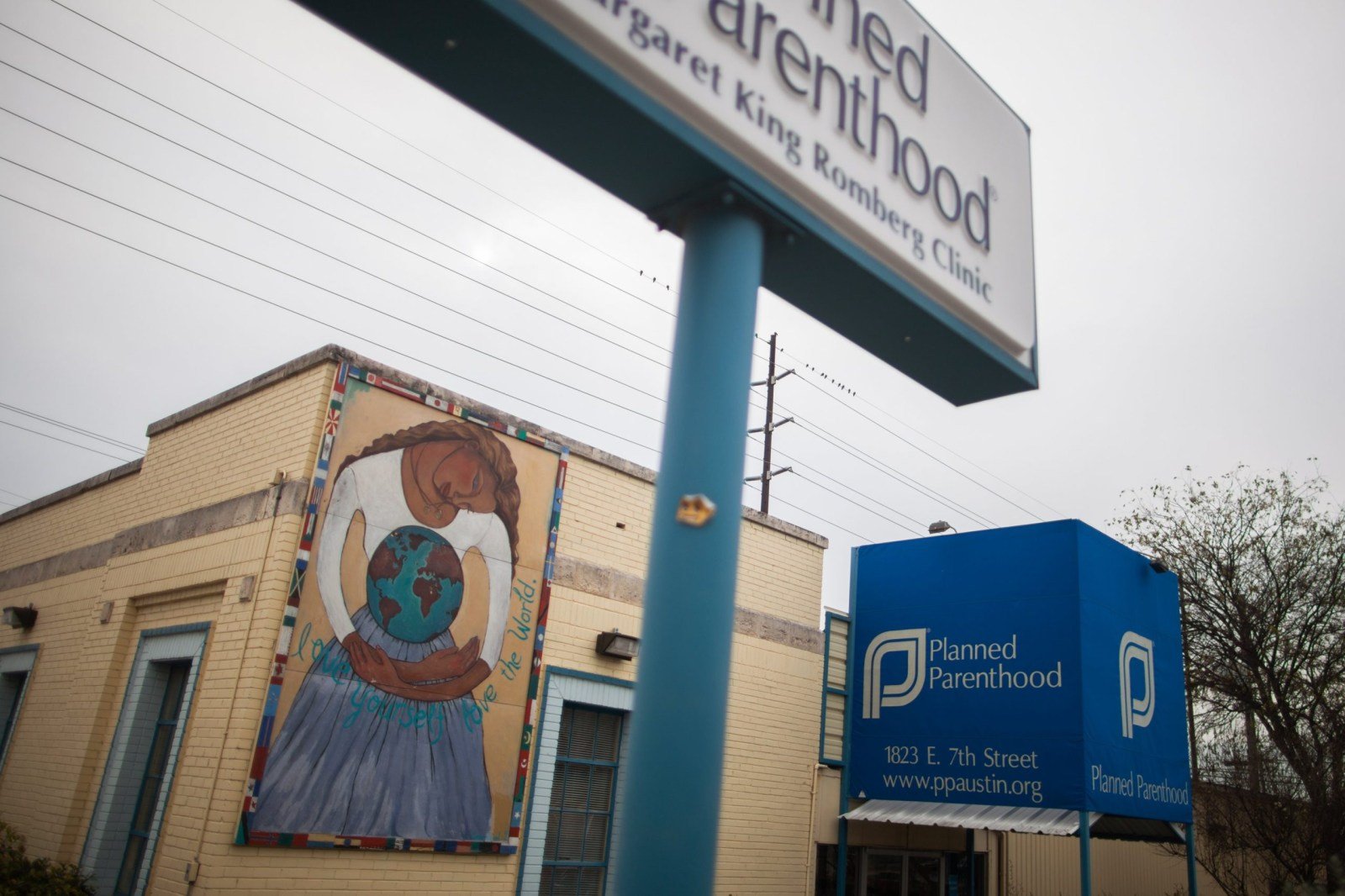
The Justice Department filed on Friday night, November 6 to intervene in Texas's lawsuit against Planned Parenthood, giving the federal government a direct role in the 2021 Medicaid-fraud case — days after Texas voters elected a Democrat, Nathan Johnson, as the state's next attorney general. The move keeps the case alive under federal control just as the Republican attorney general who championed it, Ken Paxton, prepares to leave office, having lost his bid for the U.S. Senate.
The plain reality is a lawsuit that was running out of road. An anonymous plaintiff filed it in 2021 under the federal False Claims Act, Paxton joined it for Texas in 2022, and it then sat paused for nearly three years while the courts argued over procedure. Texas voters have now replaced its champion with a Democrat who has said he plans to review every lawsuit Paxton filed in his 12 years in office, this one included, when he takes office in January. Without Washington's filing, the incoming attorney general could have reviewed this case out of existence. With it, the plaintiff is no longer just Texas — it is the United States.
What Texas and now the Justice Department claim is that Planned Parenthood committed fraud against Medicaid. Reuters reported that Paxton and the anonymous plaintiff are seeking to force Planned Parenthood to return money it allegedly collected from Texas's and Louisiana's Medicaid programs after the states cut off its funding, plus heavy additional penalties — roughly $1.8 billion in reimbursements, interest and penalties in all. The claim is that the organization violated the False Claims Act by continuing to bill and collect payments after the initial termination decisions, and failing to repay what it received once the terminations took effect.
Planned Parenthood claims the opposite: that billing the states while their termination decisions were paused by courts was legal, that the national group cannot be held liable because it was giving legal advice to affiliates, and that the lawsuit is a politically motivated effort to pressure the provider. It has also said plainly what losing would mean:
Planned Parenthood has said it would be forced to shut down in Texas if it loses the case.
The common-sense principle is that an election changes who holds an office, not which lawsuits the federal government chooses to carry. Texas could vote out the man who built this case, and did — but once the Justice Department steps in, the case no longer belongs to the office the voters just changed hands. And the federal answer itself has flipped with the administration: the Biden Justice Department passed on joining this same case in 2021.
The consequence is a case that now outlives the election that was supposed to decide it. The U.S. 5th Circuit Court of Appeals ruled unanimously in August that Planned Parenthood's appeal of a 2023 decision denying the national group immunity was premature, which ended the nearly three-year pause and let the case continue. It now proceeds before U.S. District Judge Matthew Kacsmaryk, with a trial possible as early as spring 2027 — after Johnson takes office, and on a track he no longer controls. If the voters of Texas cannot end this lawsuit by changing their attorney general, and the Justice Department can restart it with a Friday-night filing, whose decision is it that finally ends it?