Will Nikki Haley Run for President in 2028?
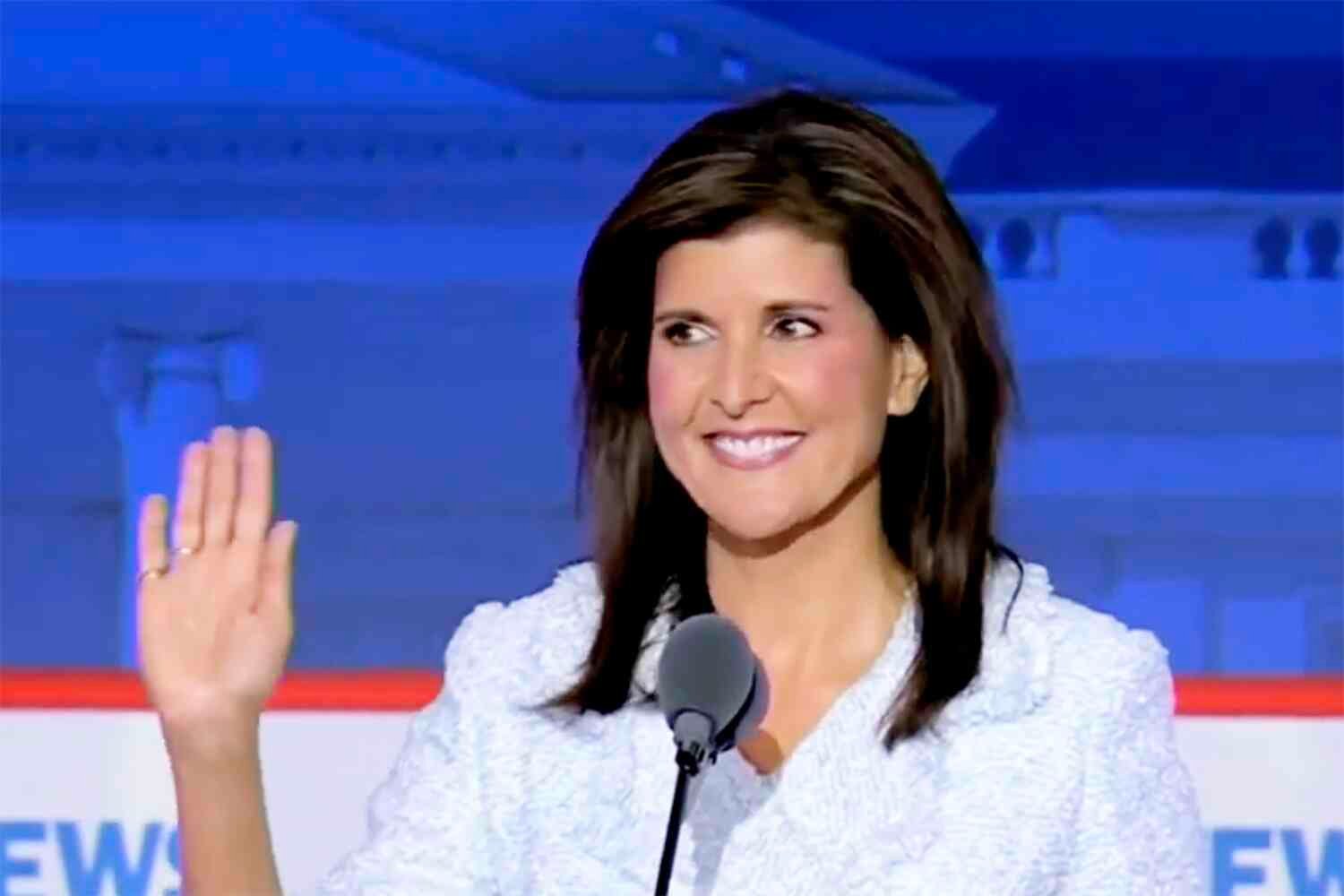
No. Nikki Haley said on Wednesday, November 11 — in interviews after the Republicans' midterm losses — that she will not run for president in 2028. "I am not running in 2028, but I will continue to talk about the things that I care about," she told CNBC.
Speaking to Bloomberg the same day, she gave her reason: "I am not going to run in 2028 because I think the storybook is still yet to be determined. I am hoping that the Republican Party comes out of this better and stronger than they were before."
The plain reality is that Haley was the obvious name on every 2028 list. She was the last challenger standing against Donald Trump in the 2024 primaries, she stayed in until after Super Tuesday, and pollsters kept testing her through 2026 even after she had left the field. The reality underneath that is she has now answered this same question the same way three times — "I will not," she told CNN's Dana Bash in April when asked directly, she ruled it out again in a podcast interview with entrepreneur Daniel Lubetzky, and she has now said it a third time, on television, the week after her party lost both chambers of Congress.
What Haley claims for herself is a role outside the race: "I will continue to push good policy. I will continue to support good candidates, and we want a strong America," she said.
I am hoping that the Republican Party comes out of this better and stronger than they were before. — Nikki Haley
The common-sense principle is plain: there is no inheritance to collect while the story is still being written. A challenger who already ran against Trump once, and lost, gains nothing by stepping into a succession fight before the party has even decided what it wants to succeed to.
The consequence is that the 2028 Republican field now forms without her. Vice President JD Vance and Secretary of State Marco Rubio are the names most widely discussed, and a Reuters-Ipsos survey conducted November 6–9 found Republican voters split almost down the middle on what they want next — 52 percent of Republicans and Republican-leaning independents said they want a nominee who would govern differently from Trump, while 46 percent want one who would govern the same way. That split is exactly the opening a Haley campaign would have run into, and she has chosen not to run into it.
The details fill out a consistent pattern, not a sudden decision. Haley, a former governor of South Carolina (2011–2017) and Trump's first ambassador to the United Nations (2017–2018), also declined in July to run for the U.S. Senate seat left open in her home state, with her spokesperson saying she had no plans to run for office at this time. She endorsed Trump for the general election after her 2024 campaign ended. And in the Lubetzky interview she notably did not rule out a run in 2032 — so 2028 is closed by her own word, but she has been careful never to say never about politics itself.
So the question that follows is the one her absence creates: if even the runner-up from 2024 will not contest the succession, who in the Republican Party actually believes the post-Trump race is open?