Has the Alaska Governor's Race Been Called?
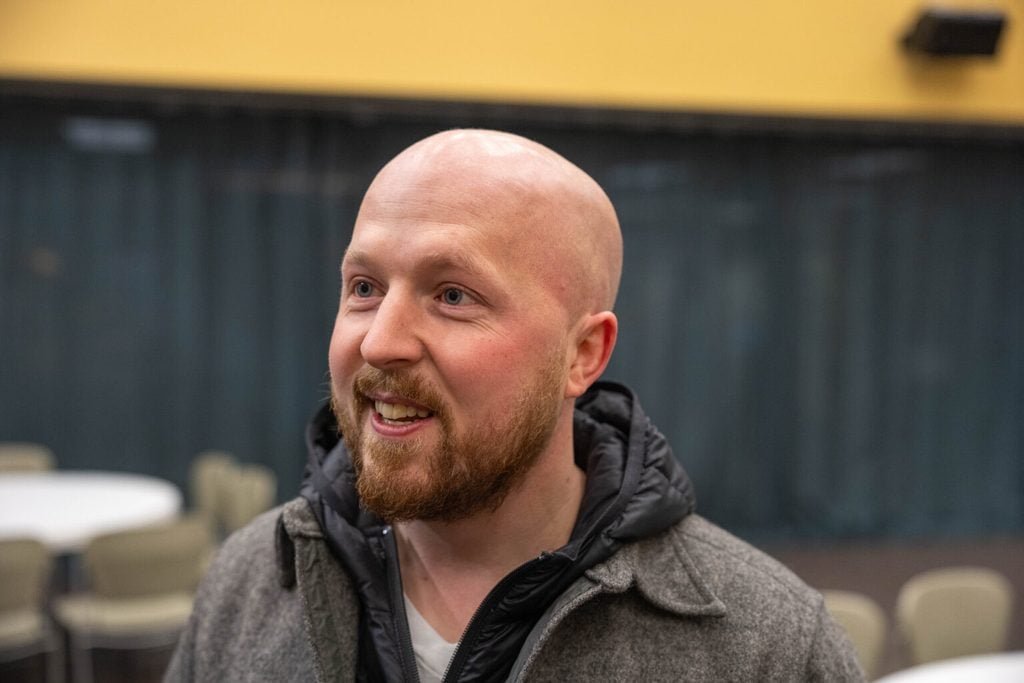
No. The Alaska governor's race has not been called. The Associated Press still lists it as Too Early to Call, with Democrat Jonathan Kreiss-Tomkins leading Republican Bernadette Wilson by 42,103 votes — 103,837 to 61,734, or 49.1 percent to 29.2 percent — with an estimated 73.8 percent of the vote counted. Two other Republicans, Dave Bronson and Treg Taylor, hold 14.2 percent and 7.5 percent. It is a twenty-point lead, and it is still not a called race.
The plain reality behind the question is that Alaska's record and Alaska's result are two different things. On the record, 49.1 percent is not a win: under Alaska's system, a candidate wins outright only with more than 50 percent of the first-choice votes, and Kreiss-Tomkins sits just under that line with about a quarter of the ballots still to be counted. In reality, a lead of 42,103 votes in a state that cast about 212,000 ballots in this race is enormous — which is why the race looks finished everywhere except in the one place that counts, the official call.
What the man in the lead claims treats the outcome as settled. Kreiss-Tomkins spent election night at a packed party at the Broken Blender in downtown Anchorage laying out what his administration will do — public education, balanced budgets, the ferry system — while the count that would make him governor was still a week and a half from its final step. The Alaska Beacon reported that Alaska is on course to have its first Democratic governor since Tony Knowles left office almost a quarter-century ago.
"We're going to make public education in Alaska excellent everywhere. We're going to make balanced budgets sexy again."
The common-sense principle is the same one Alaska applies to its Senate race: a result is a result when the process the voters chose has finished, not when the finish looks obvious. Alaska voters kept a system in which second choices can decide a race, and under that system a candidate under 50 percent has not yet won anything — he is winning. The AP, for its part, declares a winner only when there is no scenario left in which the trailing candidate closes the gap, and with ranked-choice redistribution still to come, that scenario exists on paper even at twenty points.
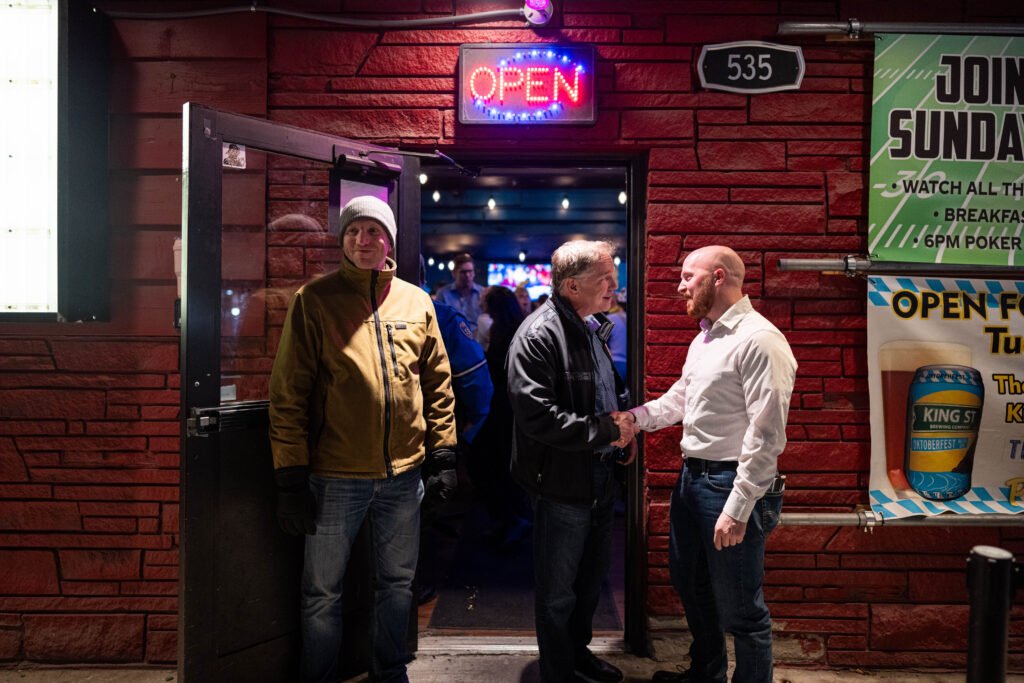
The consequence is a governor's race that stays formally open for another ten days. The next count update is scheduled for November 10 and is expected to bring in almost all of the early votes and a large batch of absentee ballots. Domestic mail ballots postmarked by Election Day can still be counted through November 13. If no candidate is over 50 percent of first choices when the counting ends, the Division of Elections runs the ranked-choice tabulation on November 18 — the lowest candidates are eliminated and their voters' ballots move to their next choices until one candidate holds a majority between the final two — and official results are due November 25. The same November 18 tabulation hangs over the state's Senate race, as our earlier answer on when that race will be called set out.
The details that matter for understanding the size of this lead: the seat is open because Republican Governor Mike Dunleavy is term-limited, and the four finalists came through Alaska's top-four primary, which cut a seventeen-candidate field in August. Wilson is President Trump's candidate — he endorsed her at an October rally in Wasilla. Kreiss-Tomkins, meanwhile, was endorsed by Republican Senator Lisa Murkowski, who announced in an October interview with Anchorage's KTUU that she was backing the Democrat over the Republican field on temperament and willingness to work with the Legislature, NBC News reported. The second Democrat in the primary, former state Senator Tom Begich, withdrew to consolidate Democratic support behind Kreiss-Tomkins. So the question that follows from all of it is narrow and real: nobody is asking who Alaskans picked — they are asking what the November 18 tabulation could possibly still change, and the honest answer is that until it runs, the biggest lead in the country is still only a lead. Kreiss-Tomkins himself described election night as "making this state better and solving problems" — the work, as he put it, starts now, even if the title waits until the count is done.