What Happened in Krakow?
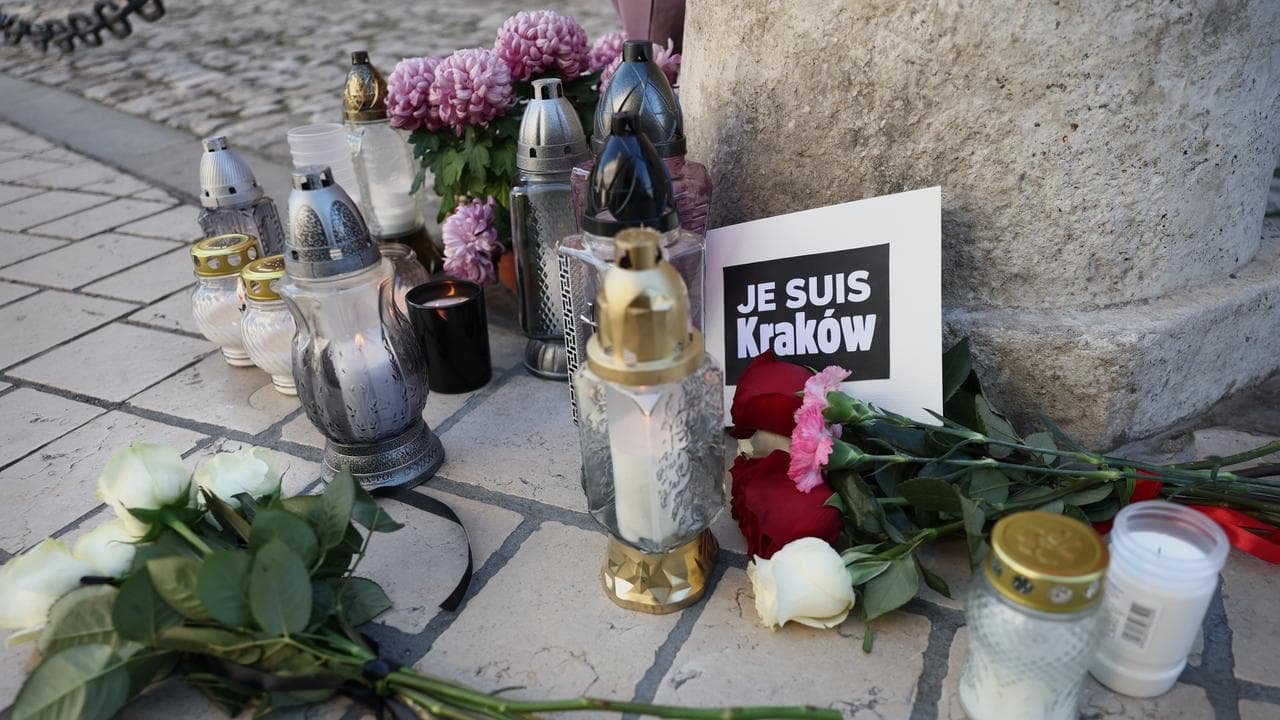
A gunman drove onto Krakow's Main Market Square on Saturday afternoon and shot at people at random, killing six of them and wounding more than a dozen others before two police officers shot and stopped him. Three more bodies, confirmed on Sunday to be the gunman's own parents and his 21-year-old sister, were found at his home, and prosecutors in Poland have opened a terrorism investigation into the attack, the Associated Press reported.
The plain reality is the gap between the Poland on paper and the Poland of this weekend. This is a country that prides itself on being safer than many of its Western European neighbours, with some of Europe's tightest gun restrictions and, as the Associated Press put it, mass shootings that are uncommon. Against that record stands what the police themselves say happened: a man with a firearms licence, in military-style clothing and a bulletproof vest, drove into the largest medieval square in Europe on a Saturday afternoon and opened fire on tourists and passers-by. That gap, between a country where this is not supposed to happen and a square where it just did, is why the question is being typed across the United States today.
What Poland's leaders claim about it is not in dispute between them. Prime Minister Donald Tusk called the attack terrorism, his defence minister Wladyslaw Kosiniak-Kamysz called it an "act of terror," and Interior Minister Marcin Kierwinski said the gunman held "very radical" and "ultranationalistic" views and that "everything indicates that he was fascinated by far-right ideologies." The government's other claim is about the two young officers who ran toward the gunfire: Tusk named them as Senior Constable Jakub Kulik and Senior Constable Artur Moranski, said they "saved many lives" and called them "true heroes."
"If it weren't for the efficient and selfless intervention of these two young men, the number of victims could have been significantly higher."
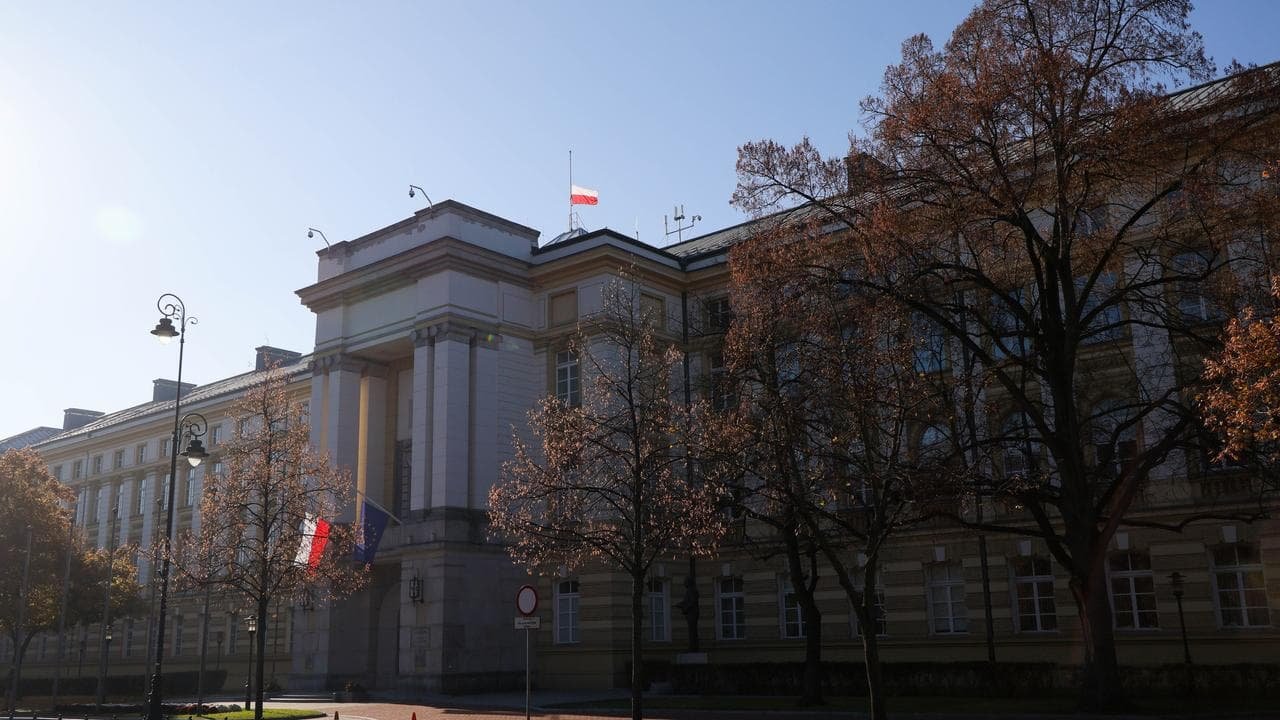
Malopolska regional governor Krzysztof Jan Kleczar said that, and the common-sense principle underneath this story is the one the weapons count exposes: a gun licence is a promise that somebody has looked. Both the gunman and his father held permits, officials said, and police recovered eleven weapons in all, seven of them seized from the family home. The law did everything it says on paper, and it still vouched for the man who did this. The consequence is already visible: two days of national mourning began on Sunday, flags are at half-mast, Warsaw has installed security barriers in its tourist districts, and a country that was already shaken by a string of school stabbings in October that officials linked to extremist content online is asking how a fascination like this stayed invisible. If the guns were legal and the views were there to be seen, what exactly was supposed to intervene, and why didn't it?
The details, in the order they happened, are these. The rampage began shortly before 3 p.m. local time on Saturday and lasted about three minutes, the BBC reported: the attacker drove to multiple spots in the square and fired at each stop, shattering shopfront glass and shooting at a tram as people fled into cafes and shops. Police spokesperson Andrzej Fijolek told broadcaster TVN 24 that the attacker used an AR-15 rifle and that more weapons and ammunition were found in his car. The first police patrol was acting 23 seconds after the first emergency call, The Guardian reported, and officers were firing at the gunman within three minutes; he was shot and wounded as his car crashed, and by Sunday he was in critical condition in hospital after multiple surgeries, in no state to be questioned.
The six people killed in the square were four women and two men: three Polish women aged 47, 53 and 61, a 32-year-old British man, a woman of 51 who was not a Polish citizen, and a Polish man of about 50, Governor Kleczar said. Fifteen other people were wounded, among them the two officers and five foreign nationals from Austria, Germany, Portugal, Russia and Britain. Kulik was hit by three bullets, and both officers had come through surgery and were conscious by Sunday afternoon. One British citizen was among the dead and another among the wounded, which is why, as our report on Foreign Secretary Ed Miliband's statement sets out, Britain is mourning one of its own from this attack.
What investigators found next widened the case from a shooting into something larger. Searching the suspect's home in Ostrowiec Swietokrzyski, about 150 kilometres northeast of Krakow, officers found his father, mother and 21-year-old sister dead, likely from gunshot wounds, the Associated Press reported; a prosecutor's office spokesperson, Daniel Prokopowicz, said it was "highly likely" the same person carried out both sets of killings, Reuters reported. Prosecutors are preparing their case as a terrorist offence, covering the murders and attempted murders, including of police officers. In Krakow the square stayed closed through Sunday, mourners left candles where people had run for their lives, and the hourly trumpet call from St Mary's Basilica, played every hour for centuries, was paused overnight in tribute, the first time it had been missed since the Second World War. The city's own period of mourning runs until November 11. Tusk, standing over a country in shock, gave the attack the name his government will now have to prove in court: "Until now in Poland we haven't had such drastic cases of terrorism — that's what we have to call this cruel attack on people's lives here in Krakow."